
Last updated November 4, 2026
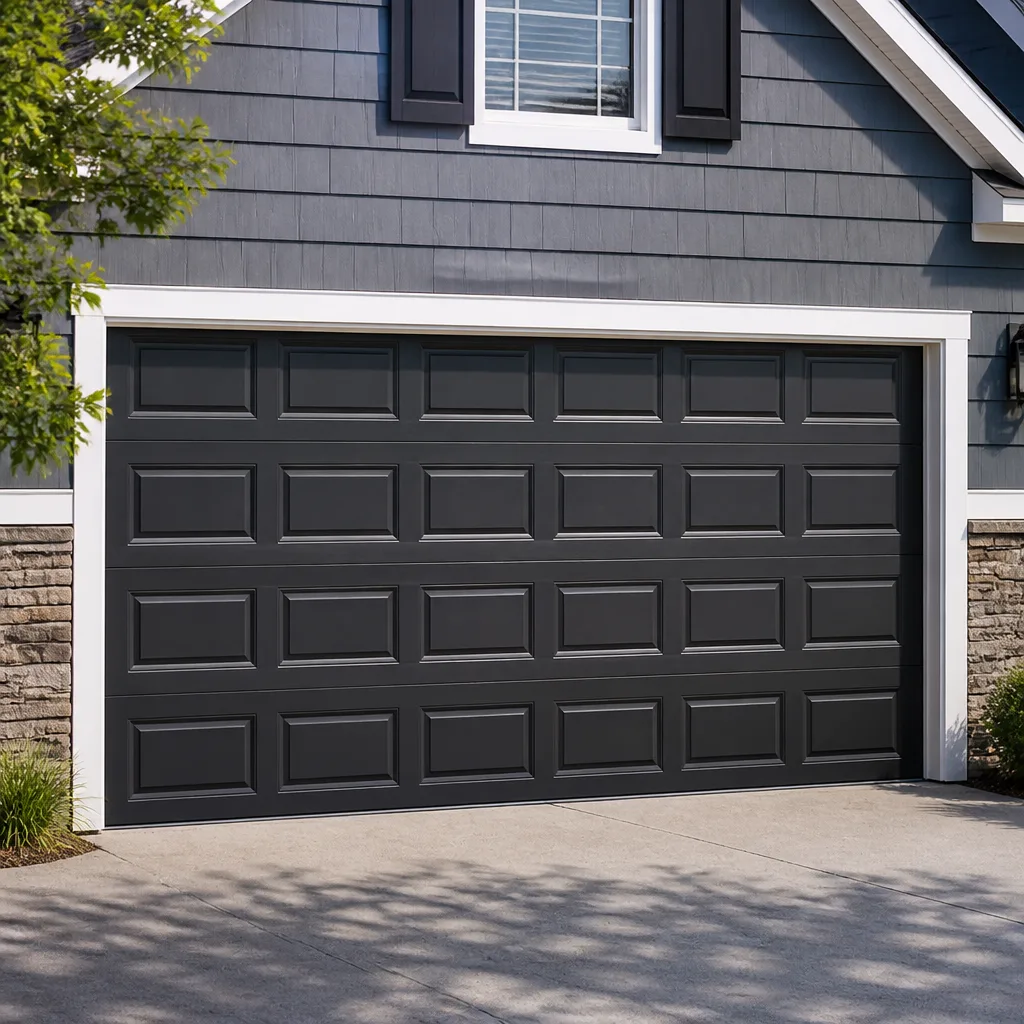 Raised-panel steel
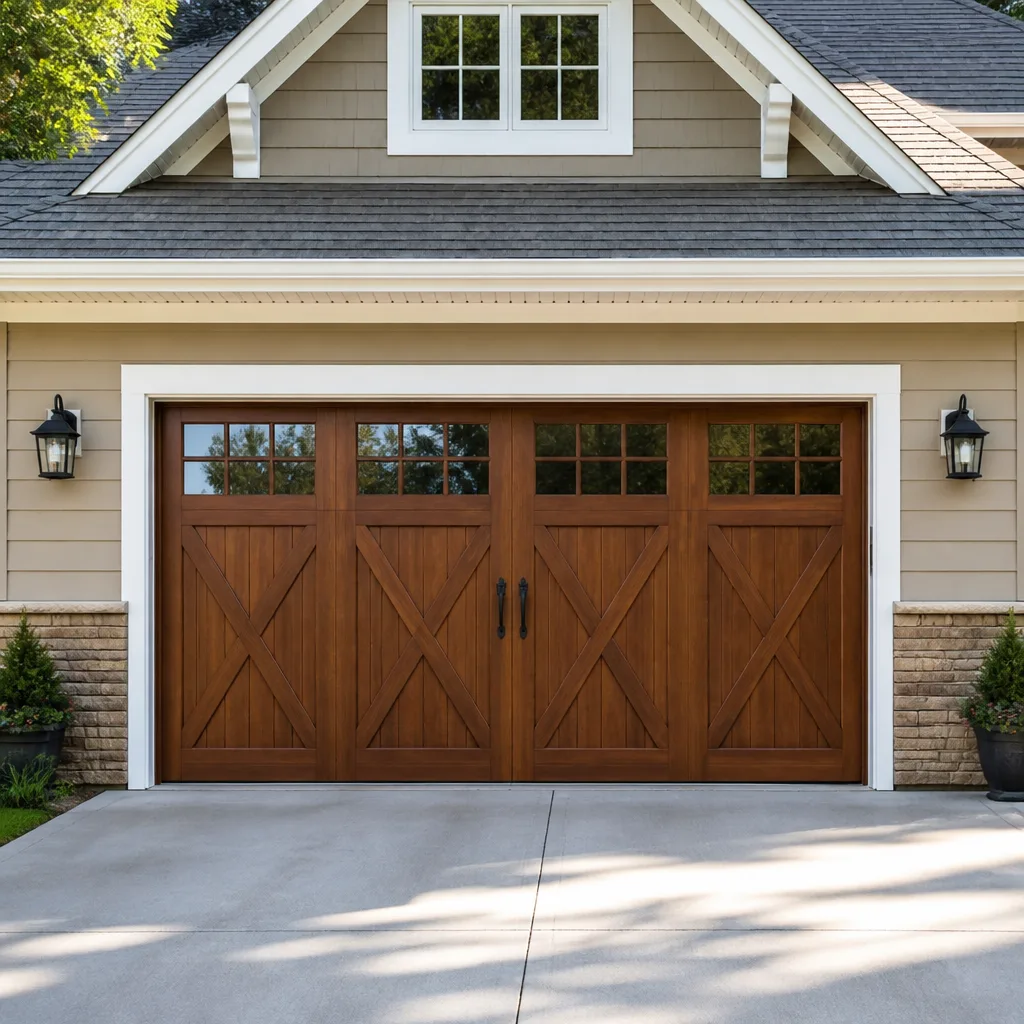 Carriage house
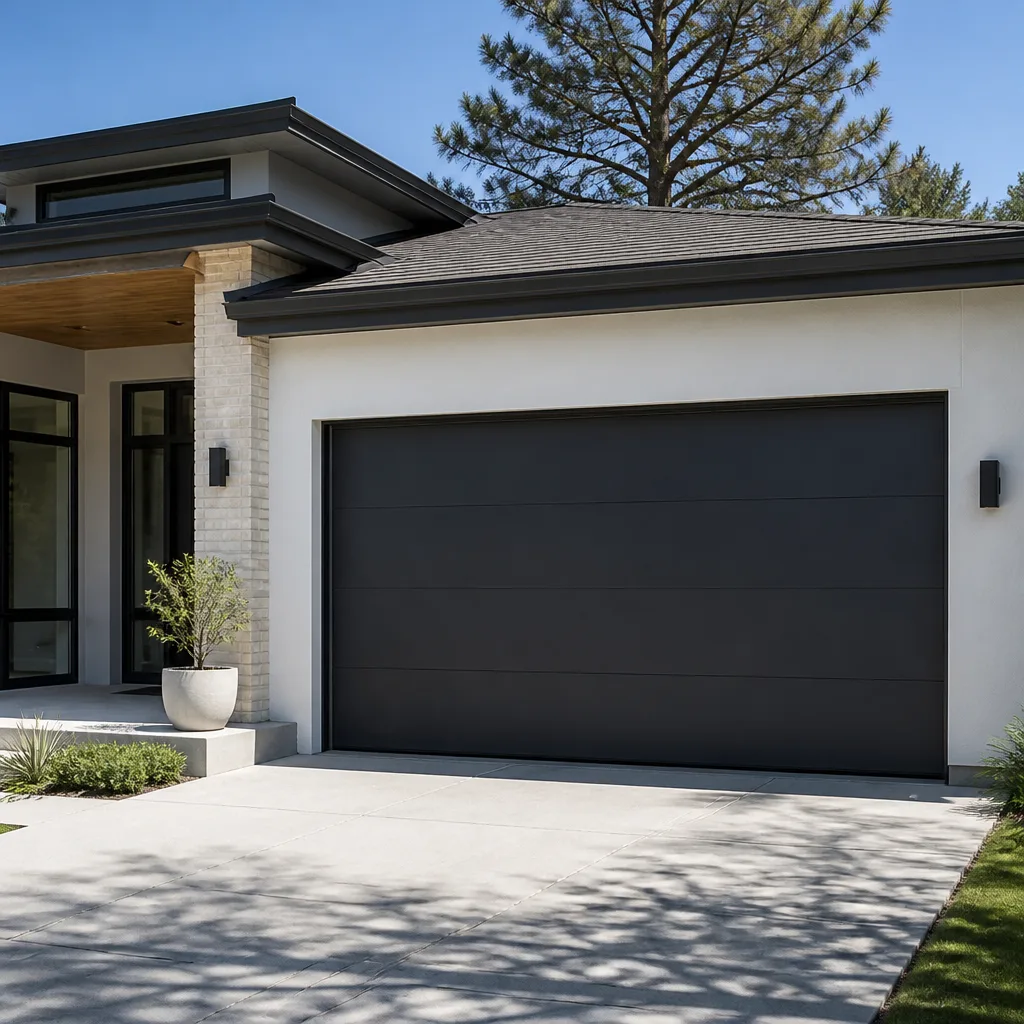 Modern flush
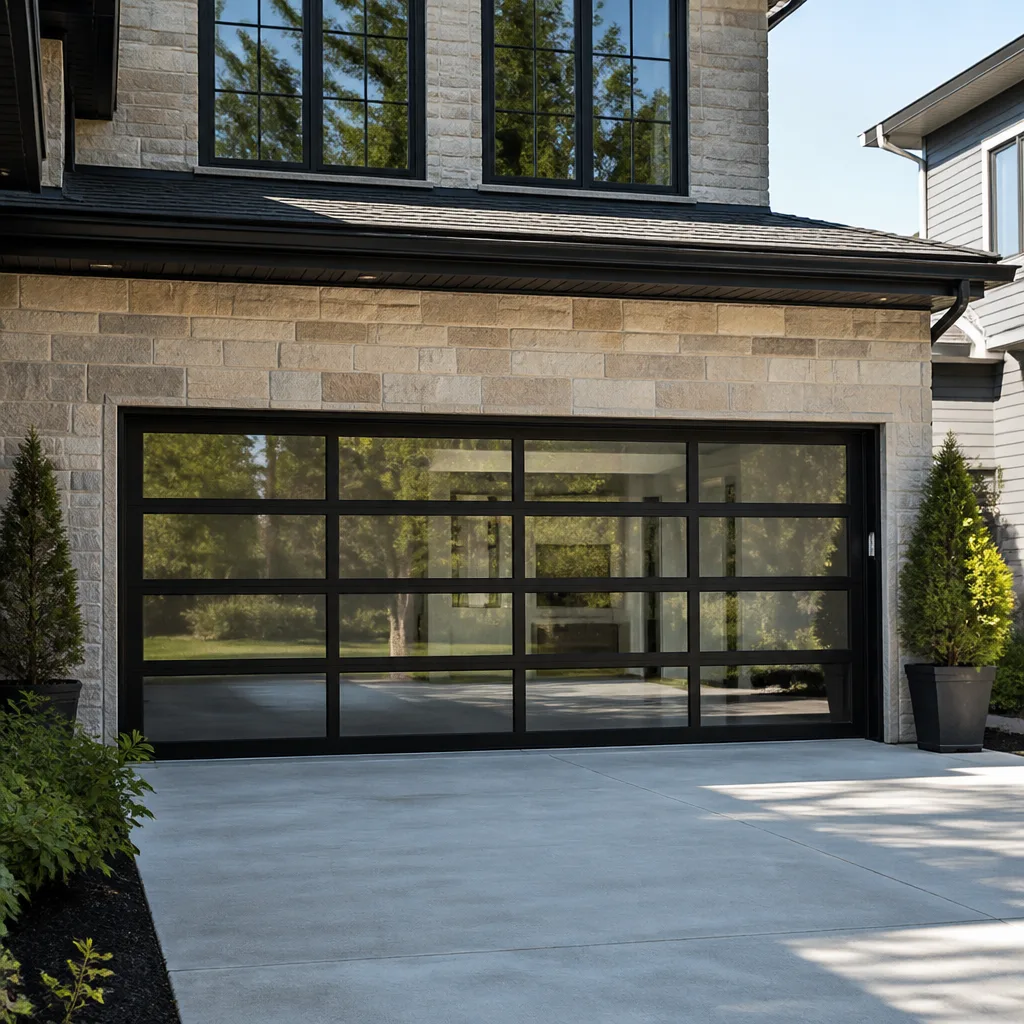 Full-view glass
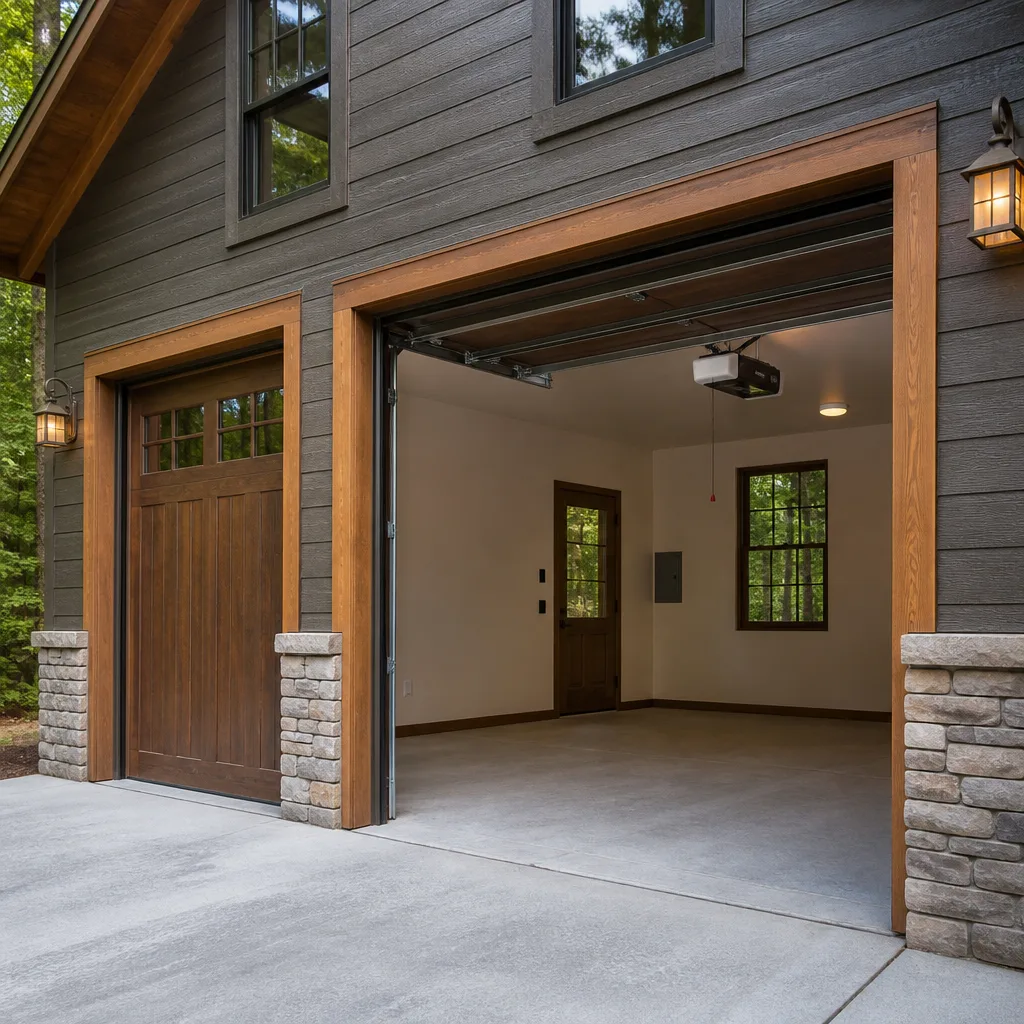 LiftMaster openers
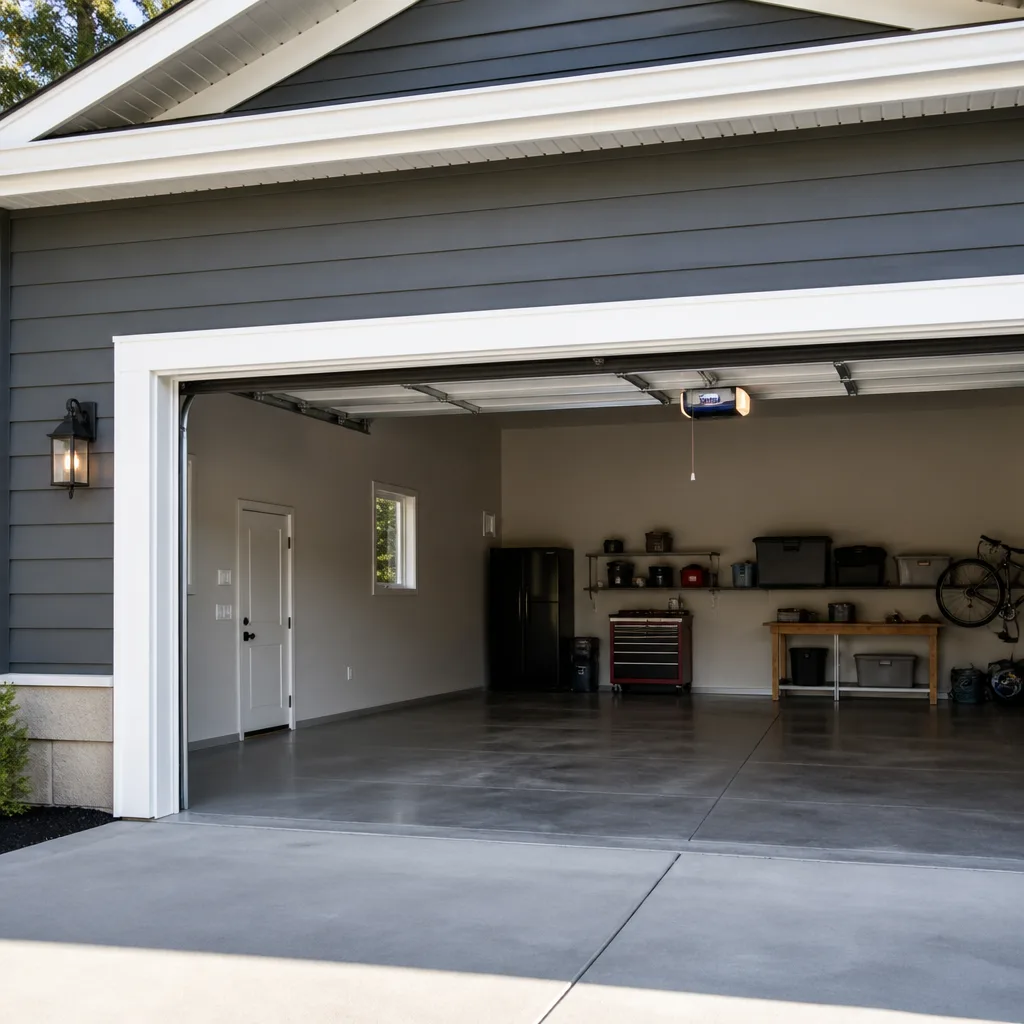 Chamberlain openers
Full 25-point door and opener safety check with every visit - springs, cables, rollers, tracks, and your LiftMaster or Chamberlain opener included
You get a price before we start. It does not change when the truck arrives.
Get your free estimateThe Complete Guide to Garage Doors in Arcadia
Most Arcadia homeowners replace their garage door once in about twenty years, which means the last time they made this decision, smartphones didn’t exist and neither did the HOA rules, energy codes, or opener technology they’re now dealing with. The result is a buying process that feels foreign: unfamiliar material names, opener specs that read like a foreign language, and a nagging sense that whatever choice gets made will be visible from the street for the next two decades. This guide maps every decision you’ll face before you spend a dollar, and it maps those decisions to the housing stock, architectural styles, and climate conditions that actually exist in Arcadia, not some generic national average. You’ll learn how to match a door to a Spanish Colonial or mid-century home, which materials hold up in our mild but occasionally wet winters, why your HOA may have more say than you do, and how to identify the brand already hanging on your track so you don’t pay for a replacement you never needed.
Quick Answer
A garage door in Arcadia is a three-part decision: the panel material and style, the door mechanism (springs, tracks, rollers), and the opener that lifts it all. Most Arcadia homes do best with a steel door matched to the home’s architectural era, a torsion spring system properly sized for the door’s weight, and a belt-drive opener if the garage is attached to the house. The most common mistake we see is replacing a perfectly serviceable door because of a failed opener or spring, when a same-day repair from a technician who knows the brand already installed would solve the problem for a fraction of the cost.
Styles & brands we work with
- Raised-panel steel
- Carriage house
- Modern flush
- Full-view glass
- LiftMaster openers
- Chamberlain openers
Table of Contents
- Matching a Garage Door to Arcadia’s Architectural Styles
- HOA Rules and Garage Door Decisions in Arcadia
- Choosing a Panel Material for Arcadia’s Climate
- Understanding Spring Systems: Torsion vs. Extension
- Garage Door Openers: Specs That Actually Matter
- Identifying the Brand Already on Your Home
- Detached Garages and ADUs: Different Rules Apply
- Maintenance That Extends Door Life in Arcadia
Matching a Garage Door to Arcadia’s Architectural Styles
Arcadia’s housing stock is not a monolith. Drive north toward the Santa Anita area and you’ll pass ranch homes with wide, low profiles. Head west toward Baldwin Ave and you’ll find the Spanish Colonial influences that define much of the city’s older tracts. The newer developments, particularly the gated communities, lean into a different vocabulary entirely. Each style imposes its own logic on a garage door, and getting this wrong is the single most visible mistake a homeowner can make.
For a Spanish Colonial home, the garage door should read as an extension of the home’s material palette, not a separate metal feature. Carriage-house styling works here. A steel door stamped with a wood-grain texture and finished in a warm earth tone blends with the stucco walls and clay tile roofs that define the style. Decorative iron hinges and handles, even purely cosmetic ones, reinforce the vocabulary. What you don’t want is a smooth, bright-white panel door with no texture: it fights the house.
Ranch homes, which make up a significant portion of Arcadia’s mid-century housing stock, want the opposite. Clean lines, minimal ornament, and a single color that either matches the fascia or sits quietly in the same family. A flush steel door in a muted tone (sage, clay, soft gray) fits a ranch home far better than a carriage-house door with decorative hardware. The ranch aesthetic is about horizontal calm, and a busy garage door breaks that.
Mid-century modern homes, found in pockets throughout Arcadia, reward the boldest choices. Wood-look doors in horizontal slat patterns, or solid doors in saturated colors, work when the rest of the home carries the same confidence. The garage door becomes an architectural feature rather than a utility opening. This is less common in Arcadia than the Spanish Colonial and ranch styles, but when we see one, the homeowner usually knows they don’t want something off the shelf.
Newer homes in HOA-governed tracts near Baldwin Ave tend to favor carriage-house styling executed in steel, because that’s what the design committees approve. The key when matching these homes is not creativity but compliance, which the next section covers in detail.
HOA Rules and Garage Door Decisions in Arcadia
Before you shop for a door, find out whether you’re allowed to change the one you have. This is not theoretical in Arcadia. The city has a high concentration of HOA-governed communities, particularly in the gated tracts along Baldwin Ave and in newer subdivisions east toward the 605. These HOAs typically maintain architectural guidelines that dictate garage door material, color, and sometimes the specific manufacturer or model line.
The process works like this in most Arcadia HOAs:
- Pull your governing documents. Find the architectural guidelines section, usually part of the CC&Rs. Look specifically for language about garage doors, exterior finishes, and color palettes.
- Check for a pre-approved list. Many Arcadia HOAs maintain a list of approved door styles, materials, and colors. If your HOA has one, your choices are limited to that list, full stop.
- Submit an architectural request. Even if the guideline language is vague, submit a formal request with the door’s specifications, a color sample, and a photo mockup before ordering anything. Approval times vary, but a few weeks is common.
- Wait for written approval. Verbal approval from a board member is not approval. Get it in writing before the door gets ordered.
The mistake we see most often is a homeowner who replaces a door with a better-looking or more expensive version of the wrong style and then faces a demand to remove it. HOAs in Arcadia do enforce these rules. When in doubt, call your management company first. This applies whether you’re replacing a door outright or just changing the color on an existing one.
Choosing a Panel Material for Arcadia’s Climate
Arcadia’s climate is mild by most standards, but it has a specific profile that argues against certain materials. Winters bring occasional rain. Summers are dry and often hot, with direct sun exposure on west-facing garage doors for hours at a stretch. There’s little freeze-thaw drama, no salt air, and hail is uncommon here. The real challenges are UV exposure, temperature swings that stress adhesives and laminates, and moisture from winter rains that can work into wood grain or unsealed edges.
Given that profile, here’s how the materials stack up for Arcadia specifically:
- Steel: The right answer for most homes. Multiple layers, a foam or polystyrene core for rigidity, and a factory-applied finish that can be color-matched to an HOA palette. The weakness is scratches: if bare steel gets exposed and moisture finds it, rust follows. But a quality steel door with a good finish lasts 20-30 years in Arcadia’s climate without meaningful degradation.
- Wood: Beautiful, expensive, and high-maintenance in Arcadia specifically because of the wet winters. Wood doors need sealing and repainting on a schedule, and even then, the bottom section takes moisture abuse from rain splash. If you choose wood for a Spanish Colonial home, budget for maintenance every few years or the bottom panel will be the first thing to fail.
- Fiberglass: Handles UV well and resists denting, but fiberglass panels have a known issue: the gel coat can fade unevenly in direct sun. On a south- or west-facing Arcadia garage with no shade tree to break the afternoon exposure, expect visible fading within a decade. Manufacturers spec these doors for all climates, but our experience with the 626 area’s sun says to factor fading into the decision.
- Aluminum with glass: The modern look, common on newer and mid-century-modern homes. The frame is the weak point: aluminum frames transfer heat and can flex with temperature swings. These doors work in Arcadia, but they’re a thermal downgrade for an attached garage.
One more point that generic guides miss: an attached garage in Arcadia shares a wall with living space in most homes. The garage gets hot in summer, and that heat bleeds into whatever room sits next to it. A double-layer steel door with insulation makes a difference here, not just for the garage itself but for the room on the other side of the wall. If your bedroom sits over the garage, this is not a minor detail.
Understanding Spring Systems: Torsion vs. Extension
Every garage door that opens and closes does so because of springs, not the opener motor. The opener is just a motor; the springs do the heavy lifting. In Arcadia’s housing stock, you’ll find two spring configurations, and they behave very differently when they fail.
Torsion springs are mounted on a metal shaft above the closed door, running horizontally. This is the system on most doors built or replaced in the last 25 years. Torsion springs are sized precisely to the door’s weight and are wound under high tension. They balance the door through its entire travel path. When a torsion spring breaks, the door drops fast, usually with a loud bang that sounds like something hit the house. This is the most common reason people call us for garage door repair in Arcadia.
Extension springs run along the horizontal tracks on either side of the door. They stretch when the door closes and contract when it opens. You’ll find these on older Arcadia homes, often on original doors from the 1980s or earlier. Extension springs are simpler but more dangerous when they break: if the safety cable isn’t present or properly routed, a failed spring can become a projectile.
Here’s what matters for a homeowner:
- Springs are wear items. They’re rated in cycles (one full open-and-close), and most residential springs last 10,000 to 15,000 cycles. For a door that opens twice a day, that’s roughly 10 to 15 years.
- A broken spring means a door that won’t open. If the door is down, you’re trapped with the car inside. If it’s up, the door is a safety hazard.
- Both springs usually get replaced at once. If one fails, the other is the same age and same cycle count. Replacing both is standard practice and genuinely the right call.
We need to be direct here: spring work involves high tension and is genuinely dangerous for someone without the right tools and experience. The spring is what makes a garage door the most dangerous piece of moving equipment in a home. If a spring breaks, call a professional. Do not try to tension or replace a spring yourself. This is the one repair where the cost of a professional is always justified by the risk of the alternative.
Garage Door Openers: Specs That Actually Matter
The opener market has changed dramatically in the last ten years. If your opener predates, say, 2015, the current landscape will look unfamiliar. Belt drives have replaced chains as the default recommendation. Wi-Fi connectivity and smartphone control are standard on mid-range and up. Wall-mount openers, also called jackshaft openers, have gone from a commercial product to a residential option that solves specific problems in Arcadia homes.
Here’s what actually matters when you’re choosing an opener:
- Drive type: Belt drives are quiet, which matters when the garage is under a bedroom or shares a wall with living space, the norm in Arcadia’s attached-garage homes. Chain drives are cheaper and louder. Screw drives, once popular, are rare now.
- Horsepower and door weight: A heavy wood door or a double-wide steel door needs more motor than a light single door. Most residential doors are fine with a 1/2 HP or 3/4 HP opener, but a heavier custom door needs more.
- Wi-Fi and smart home integration: This is table stakes now, not a luxury. A connected opener gives you remote control, activity alerts, and integration with whatever smart home platform you already use. If you don’t care about this, you can save money by skipping it. Most people, once they’ve had it, don’t go back.
- Battery backup: Arcadia’s power grid is generally reliable, but power outages happen. A battery backup means the opener still functions during an outage. This is a feature worth paying for if the garage is your primary entry point.
- Wall-mount vs. overhead: A wall-mount opener bolts to the wall beside the door, not the ceiling. This frees up ceiling space, which matters in an ADU garage or a garage with high ceilings, storage racks, or a car lift. It’s also quieter because it doesn’t vibrate the ceiling.
Opener repair is its own specialty, separate from door repair, and it’s a service we handle as a standalone offering. When an opener fails, the problem is usually one of a few things: a stripped gear, a failed logic board, a broken belt or chain, or misaligned safety sensors. The symptom tells you which. A door that won’t respond to the remote but works from the wall button is a remote or receiver issue. A door that reverses immediately after touching the floor is a sensor alignment or travel limit issue. A door that makes a grinding noise and doesn’t move is a gear problem. This is the kind of diagnosis that goes faster when the technician knows the brand and model already installed, rather than working from a generic troubleshooting script.
Identifying the Brand Already on Your Home
Most Arcadia homeowners don’t know what brand their garage door or opener is. This is normal: you didn’t buy it, you inherited it from the previous owner, and the previous owner probably didn’t buy it either. But knowing the brand matters more than most people realize, because it determines whether a repair is straightforward or a parts hunt.
The opener is the easiest thing to identify. Look at the motor housing hanging from the ceiling. The brand name is almost always printed directly on the plastic cover: LiftMaster, Chamberlain, Genie, Craftsman, Raynor. If the opener is from the 1990s or later, the model number is on a sticker on the side of the unit. Take a photo of it before you call anyone.
The door itself is harder. Most steel doors don’t carry an exterior brand badge. Open the garage and look at the inside of the door panels. Some manufacturers stamp the brand and model into the steel or print it on a sticker on the top or bottom panel. Others leave no marking at all, and you’re left identifying the door by its construction details: the profile of the panel stamping, the style of the hardware, the number of panels. This is where brand familiarity gets earned. A technician who works on eight major brands (LiftMaster, Chamberlain, Genie, Clopay, Amarr, Wayne Dalton, Craftsman, and Raynor) can identify a door by sight in a way a generalist cannot, and that identification matters when a spring or panel needs to be matched.
The point here is a simple one: don’t assume a repair is impossible or a replacement is necessary because someone couldn’t identify your door. The “we only work on what we sell” problem is real in this industry, and it costs homeowners money. We take the opposite approach at Garage Door Service Arcadia: we work on the brand you already have. That’s the whole point.
Detached Garages and ADUs: Different Rules Apply
Arcadia has seen significant ADU construction in the last decade, and with ADUs come detached garages, or garages converted into living space, or garages that serve double duty as storage and ADU parking. These garages are different from attached garages in ways that affect the door and opener.
First, the noise calculus changes. In an attached garage, a chain-drive opener rattling against the ceiling transmits noise directly into the house. In a detached garage, that transmission doesn’t happen, so a chain drive becomes a more reasonable cost-saving choice, assuming the garage is far enough from the ADU’s sleeping area. If the ADU is directly above or beside the garage, treat it like an attached garage and go belt-drive.
Second, the power situation is different. A detached garage may share the ADU’s electrical panel or have its own subpanel. A wall-mount opener is often the better choice in a detached garage with low or angled ceilings (common in converted spaces), and it draws less power at startup than an overhead opener. This matters if the garage is on a smaller electrical service.
Third, insulation matters differently. An attached garage heats the house. A detached garage heats only itself unless it has living space above or beside it. If the ADU has a room over the garage, the ceiling between them needs insulation, and the door becomes a factor in that room’s comfort. A single-layer steel door in a detached ADU garage with a bedroom above it is a heat sink in summer, and that bedroom will feel it.
The same principles apply to Arcadia homes with detached garages from the original construction, which are common in the older ranch neighborhoods. Owners of these homes have more freedom from HOA oversight than owners in gated tracts, but the functional considerations are identical: noise transmission, power, and thermal comfort depending on what’s near the garage.
Maintenance That Extends Door Life in Arcadia
Garage doors are mechanical systems, and like any mechanical system, they last longer when maintained. In Arcadia’s climate, the maintenance calendar is simple: twice a year, aligned with the rainy season and the start of the hot season.
Here’s the twice-yearly routine, step by step:
- Listen to the door. A properly balanced door runs smoothly and quietly. Grinding, squeaking, or rattling is a symptom, not a personality trait. Diagnose it before it becomes a breakdown.
- Check the balance. Disconnect the opener (pull the red release cord) and lift the door manually. It should lift easily and stay at the halfway point without support. If it falls or is hard to lift, the springs need attention. Call a professional for this.
- Inspect the rollers and tracks. Look for debris in the tracks, worn or cracked rollers, and any loose hardware. Metal rollers can be lubricated; nylon rollers should be replaced when they wear.
- Lubricate the moving parts. Use a garage-door-specific lubricant (not WD-40) on the hinges, rollers, and the torsion spring. A little goes a long way, and the goal is quiet, smooth movement.
- Check the weather stripping. The rubber seal along the bottom of the door and the weather stripping around the opening keep rain and dust out. Arcadia gets rain in the winter, and a cracked seal lets water into the garage. Replacement is cheap and easy.
This routine takes ten minutes and catches most problems before they become emergency repairs. The door and opener both benefit, and the lifespan extension is real. A 20-year door with regular maintenance easily lasts 25 or 30.
Common Mistakes to Avoid
- Replacing a door when the opener is the problem. A door that won’t open is usually a failed opener, spring, or sensor, not a bad door. We see thousands of dollars in unnecessary replacements because the diagnosis got skipped. Rule out the cheap and fast repairs first.
- Ignoring HOA rules until after the door is installed. Arcadia’s HOA density is high, especially near Baldwin Ave. An unapproved door can mean a demand to remove it. Check first, always.
- Buying an opener based on horsepower alone. Horsepower matters, but drive type, battery backup, and connectivity matter just as much. The quietest opener in the wrong application (a chain drive under a bedroom, for instance) is still a bad purchase.
- Lubricating the wrong way. WD-40 is not a garage door lubricant. It’s a solvent and will strip the lubrication from rollers and hinges. Use a purpose-made garage door lubricant.
- Letting a broken spring sit. A door with one broken spring is out of balance and dangerous. The opener is now doing the spring’s job, which is how openers get destroyed. Fix the spring immediately.
- Buying a wood door for a west-facing garage. The afternoon sun in Arcadia is brutal on wood, and the maintenance burden is real. If you want wood, budget for it. If you don’t want to maintain wood, buy a steel door with a wood-grain finish.
- Skipping insulation on an attached garage. The heat transfer from a hot garage into a bedroom or kitchen is a real comfort problem in Arcadia summers. Insulation in the door is a one-time cost that pays off every summer.
See the difference
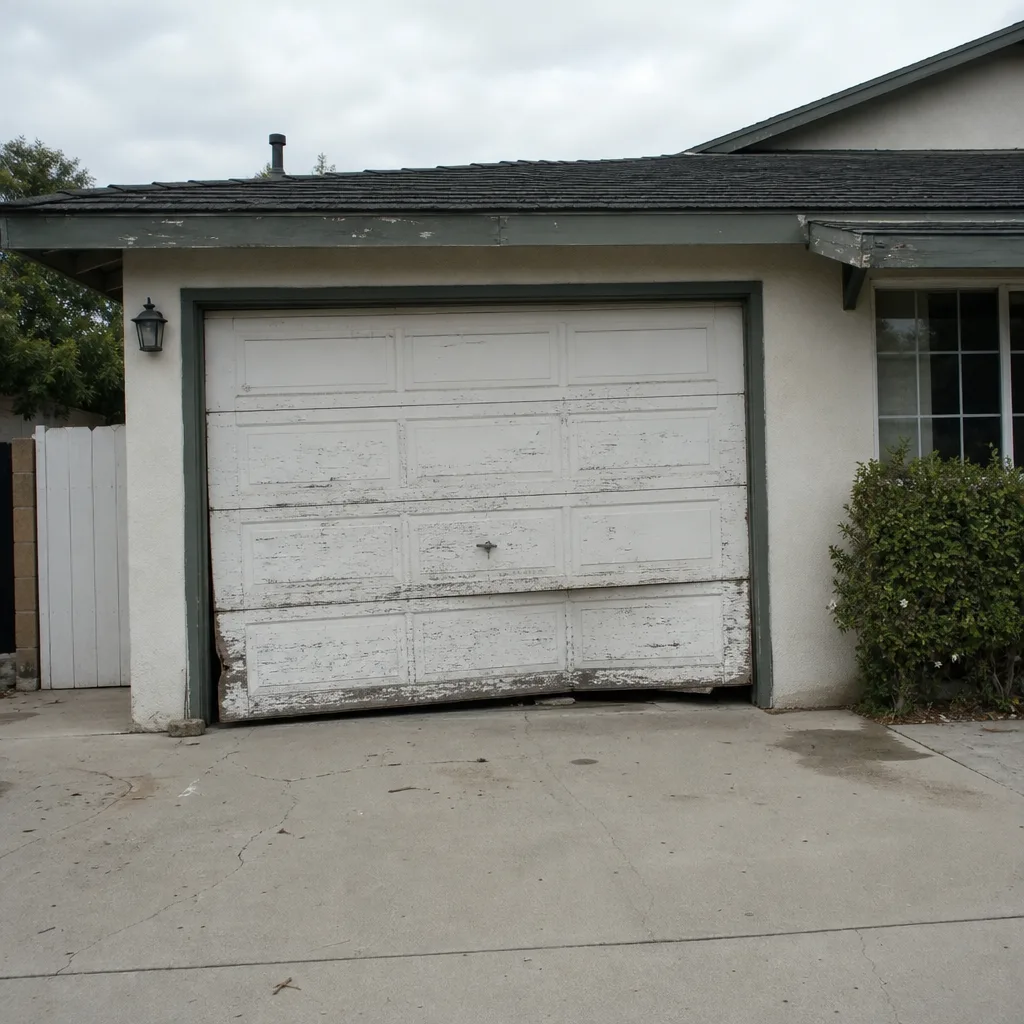 Before
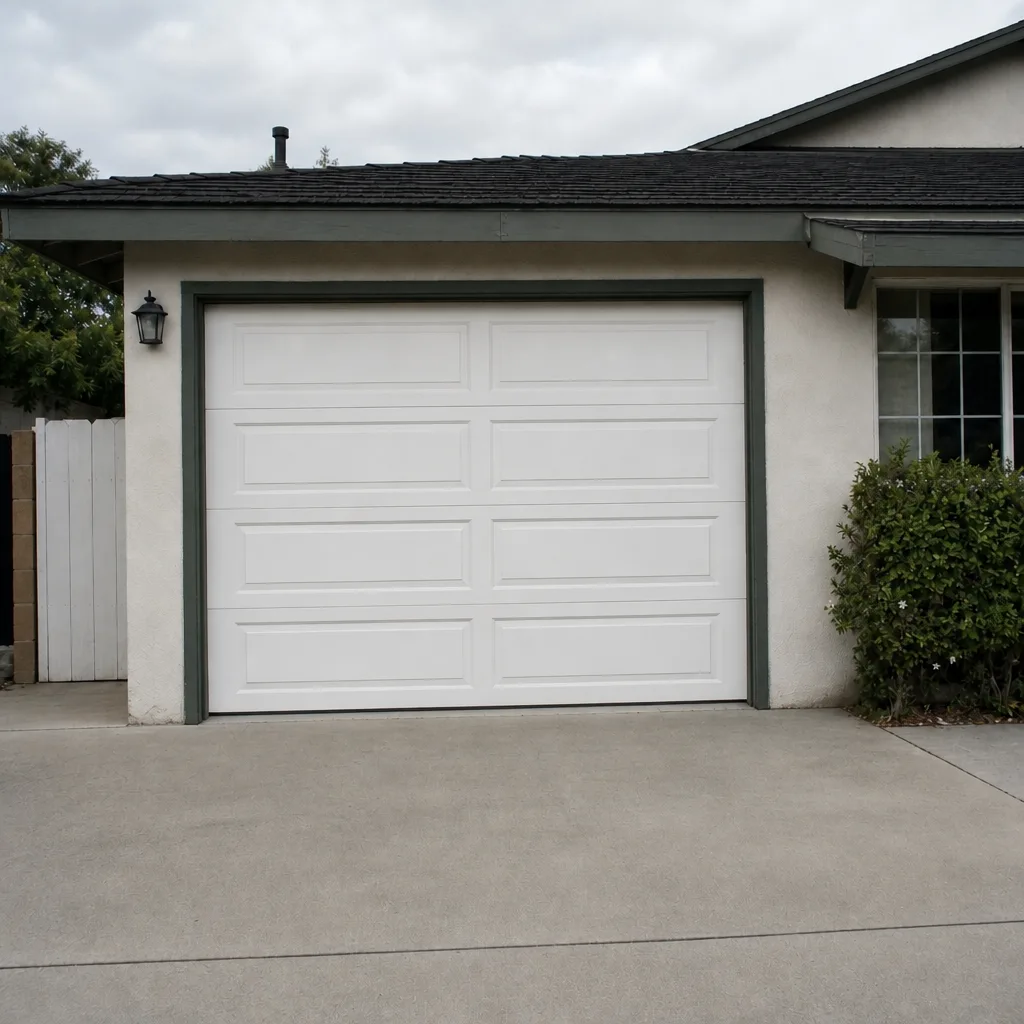 After
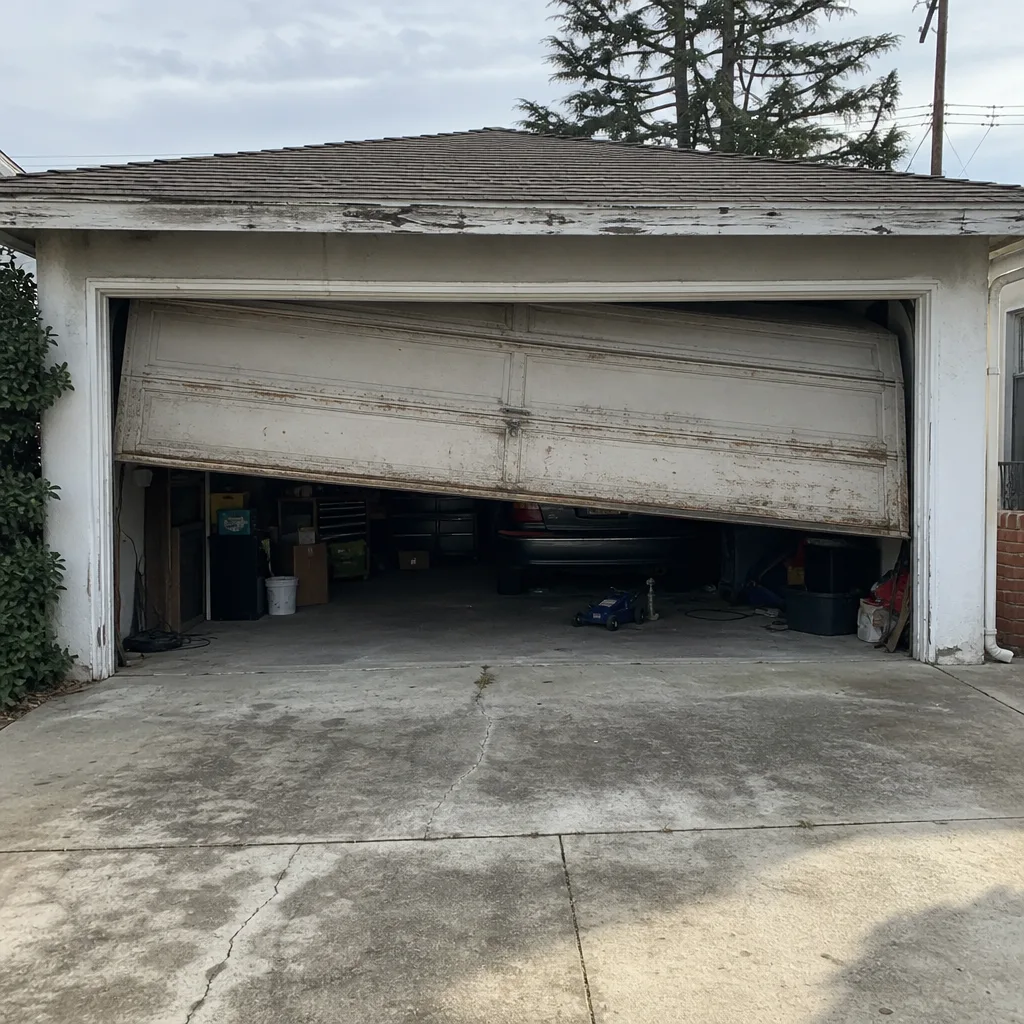 Before
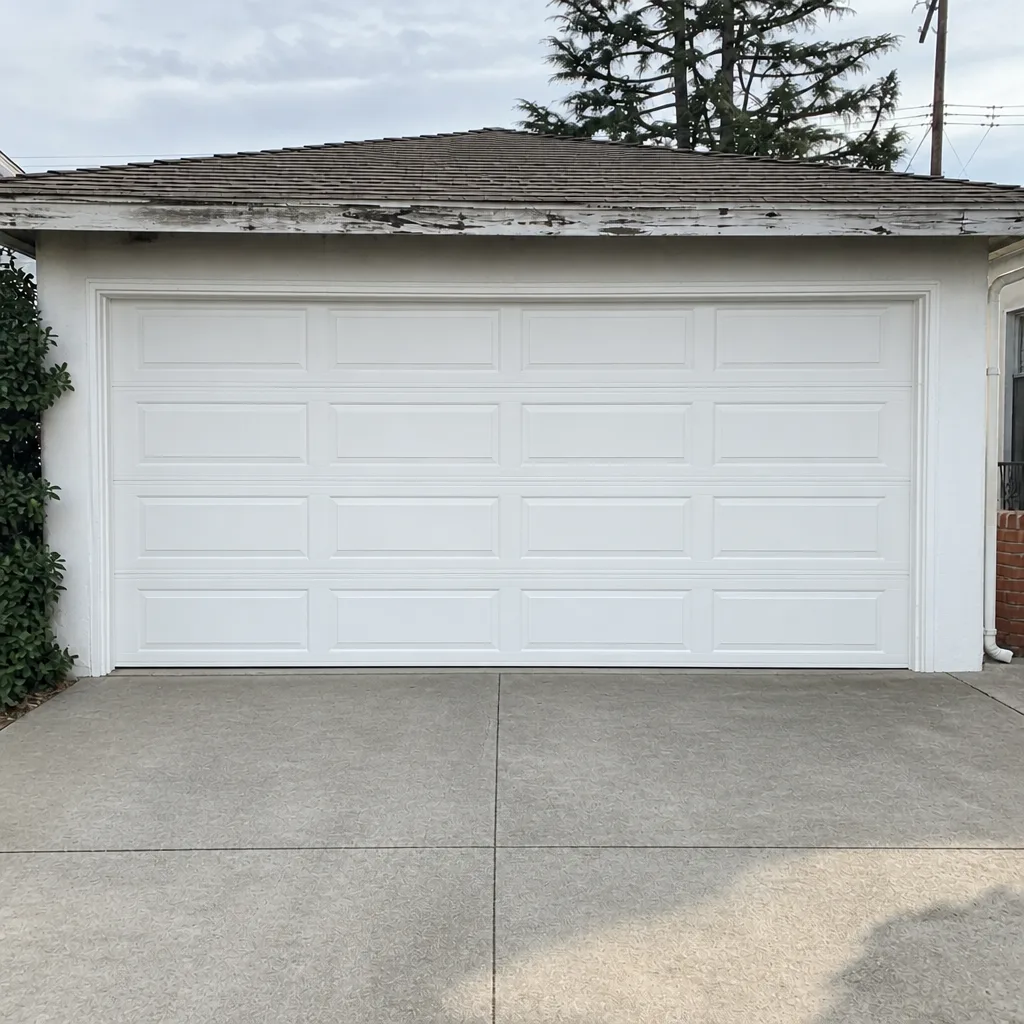 After
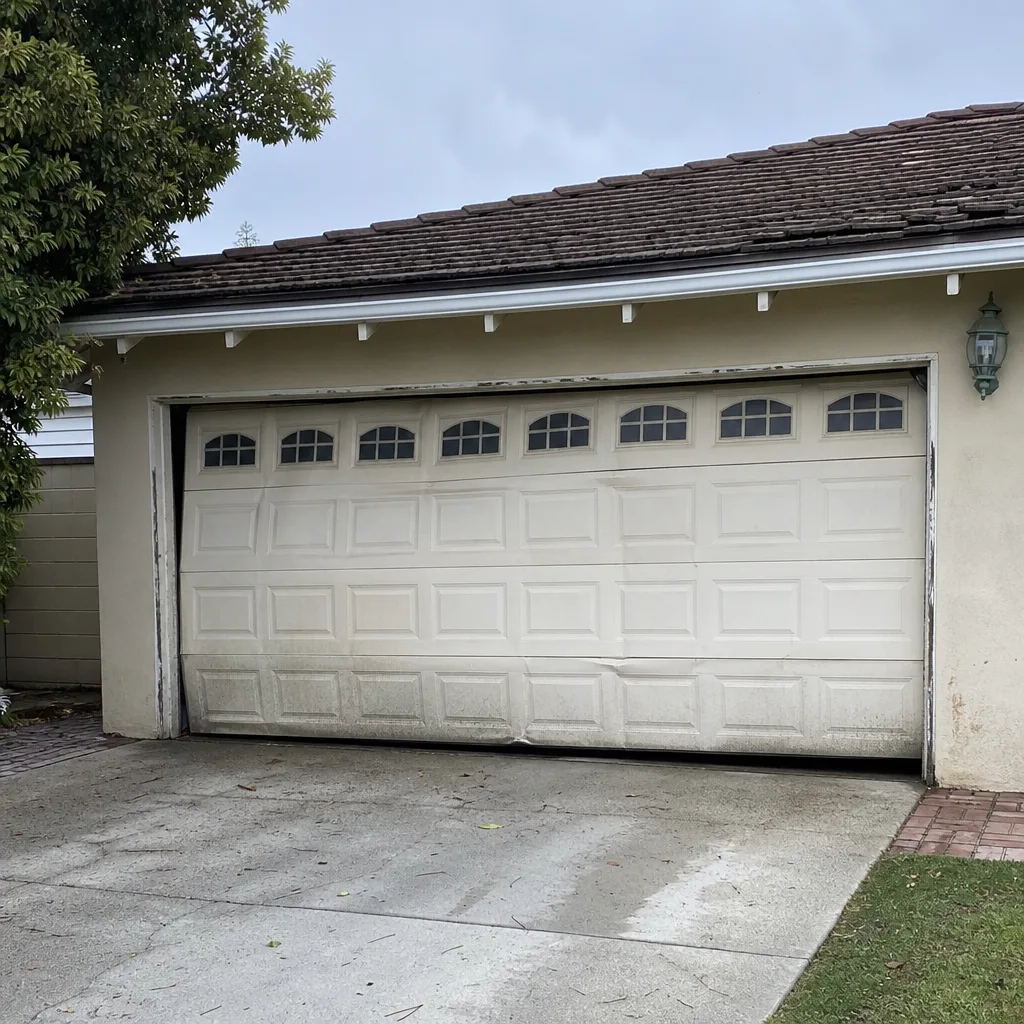 Before
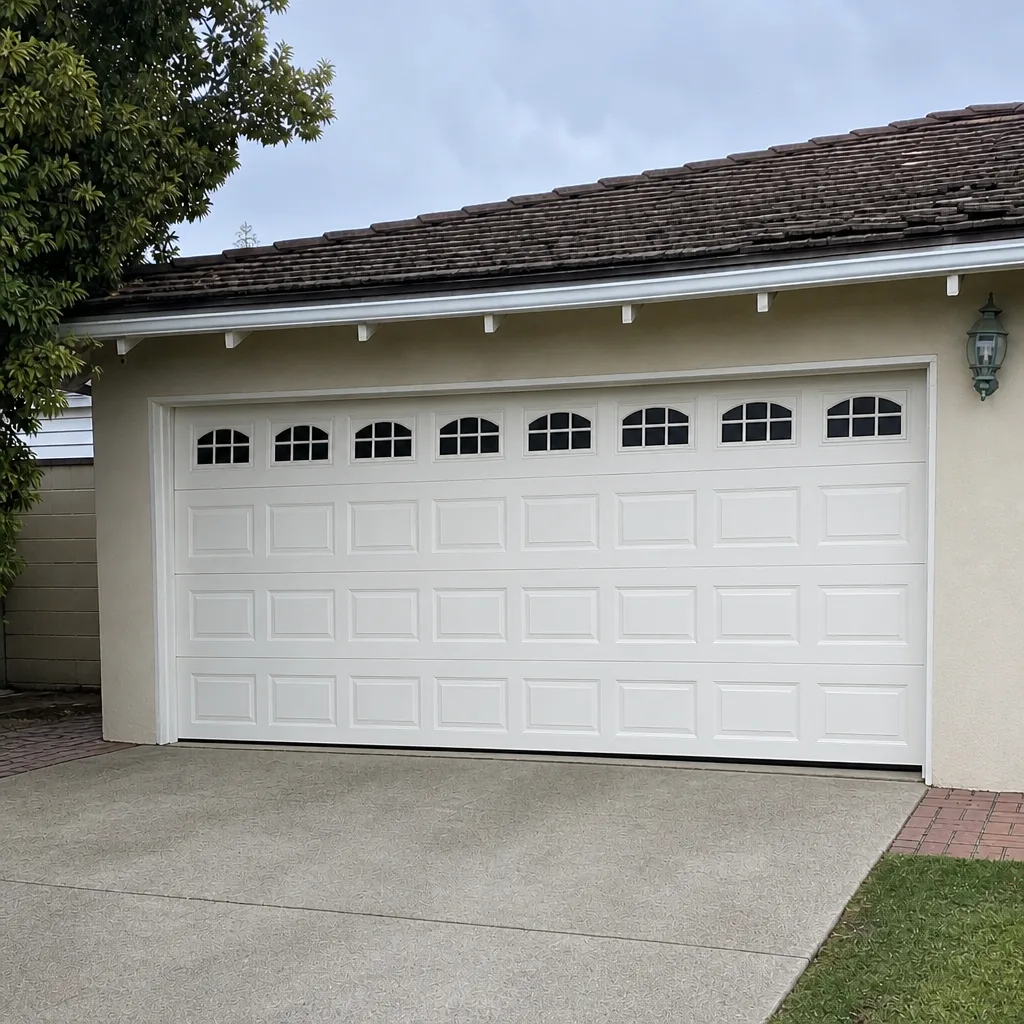 After
When to Call a Professional
Call a professional when the problem involves springs, cables, or opener electronics. These are the three areas where DIY attempts go wrong, and wrong in the sense of injury or worse. A broken spring, a frayed cable, or an opener that sparks or smokes all warrant a professional immediately. A door that comes off its tracks is also a professional job: forcing it back onto the tracks without the right tools and technique will make the problem worse.
Anything involving the electrical side of the opener (logic board, capacitor, motor) is a professional job because of the shock risk and the cost of guessing wrong. The same goes for any door work on a high-lift track or a door with a low headroom kit: these are specialized installations with less room for error. Garage doors are all we do, and Garage Door Service Arcadia offers free estimates in Arcadia, call (888) 495-0121. We answer 24/7. Fast dispatch from 7am to 7pm, Sunday through Friday.
Frequently Asked Questions
A new garage door in Arcadia typically ranges from $1,200 to $4,000 installed depending on material, size, insulation, and style. A basic single-layer steel door starts near the bottom of that range. A double-layer insulated steel door with carriage-house styling runs higher. A custom wood door is higher still. The written estimate you get before any work begins is the price you’ll pay. Call (888) 495-0121 for a free estimate.
Most residential torsion springs are rated for 10,000 to 15,000 cycles, which translates to roughly 10 to 15 years for a door that opens and closes a few times a day in a typical Arcadia household. If you use the garage as your primary entry and exit (many people do), the spring wears faster. A spring that fails before its rated life usually failed because the door was out of balance or the spring was undersized for the door’s weight.
Replacing the panels themselves is possible for a homeowner with the right tools and experience, but the springs and cables make this a dangerous job for a first-timer. Torsion springs are under high tension and can cause serious injury if mishandled. For safety and for the warranty on the door, professional installation is the right call in nearly every case.
Start by getting the HOA’s written architectural guidelines and any pre-approved door list. If the HOA specifies a manufacturer or model line, your choices are constrained to that list. Submit an architectural request with the door specifications and color sample before ordering anything. If your preferred contractor is unfamiliar with HOA processes, ask them to help with the documentation; a manufacturer’s spec sheet and a color swatch usually satisfy the review board.
Look at the motor housing mounted on the ceiling of the garage. The brand name (LiftMaster, Chamberlain, Genie, Craftsman, Raynor, and others) is printed on the plastic cover. The model number is on a sticker on the side or top of the unit. Take a photo of both before calling anyone for garage door opener repair. A technician who knows the brand can diagnose the problem faster and bring the right parts.
A new garage door opener in Arcadia, including installation, typically ranges from $350 to $800 depending on the drive type (belt vs. chain), horsepower, and features like Wi-Fi connectivity and battery backup. The estimate is free and the price is set before any work starts. Call (888) 495-0121 for an exact quote on your setup.
The noise is usually the rollers and hinges working harder as metal expands in the heat. Nylon rollers are quieter than metal and don’t need as much lubrication. A loud opener on a hot day can also indicate the motor is struggling against an unbalanced door. Have the door’s balance checked before blaming the opener.
The Bottom Line
Choosing a garage door in Arcadia is not the same as choosing one anywhere else. The architecture here ranges from Spanish Colonial to ranch to mid-century modern, and the door needs to match that vocabulary. The HOA density, especially in the gated tracts near Baldwin Ave, means compliance often precedes preference. The climate, mild but sunny and occasionally wet, argues for steel over wood for most homeowners and for insulation in any garage attached to living space. The brands already on the home, whether LiftMaster, Chamberlain, Genie, Clopay, Amarr, Wayne Dalton, Craftsman, or Raynor, should be identified before any replacement conversation happens, because a repair may solve what a salesperson calls a replacement problem. The company that knows these brands, works on what you already have, and handles the full lifecycle from broken spring to full installation is the one worth calling. That company is Garage Door Service Arcadia. We work on the brand you already have. Garage doors are all we do. From broken spring to full installation, right part, right brand, right fix. Call (888) 495-0121. We answer 24/7. Fast dispatch from 7am to 7pm, Sunday through Friday.
Written by the team at Garage Door Service Arcadia, serving Arcadia since 2018.