
Last updated November 4, 2026
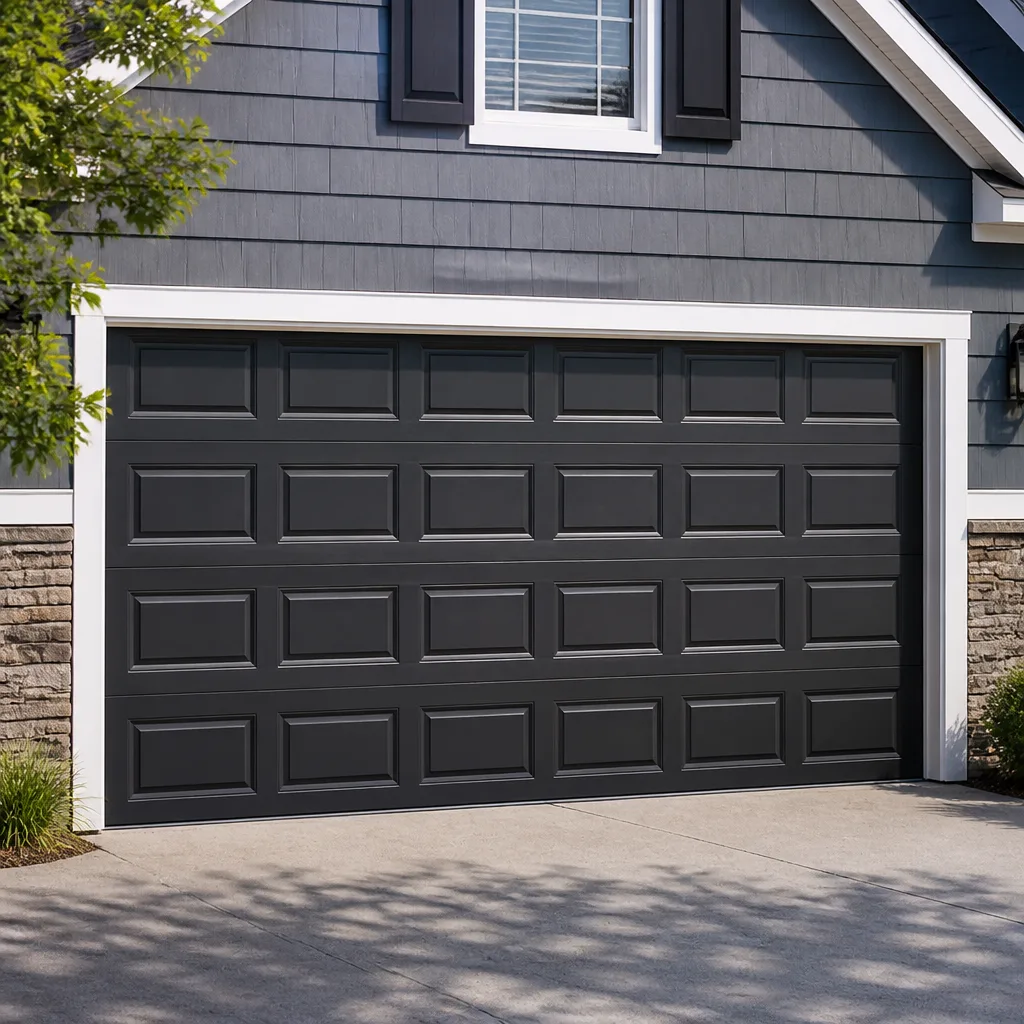 Raised-panel steel
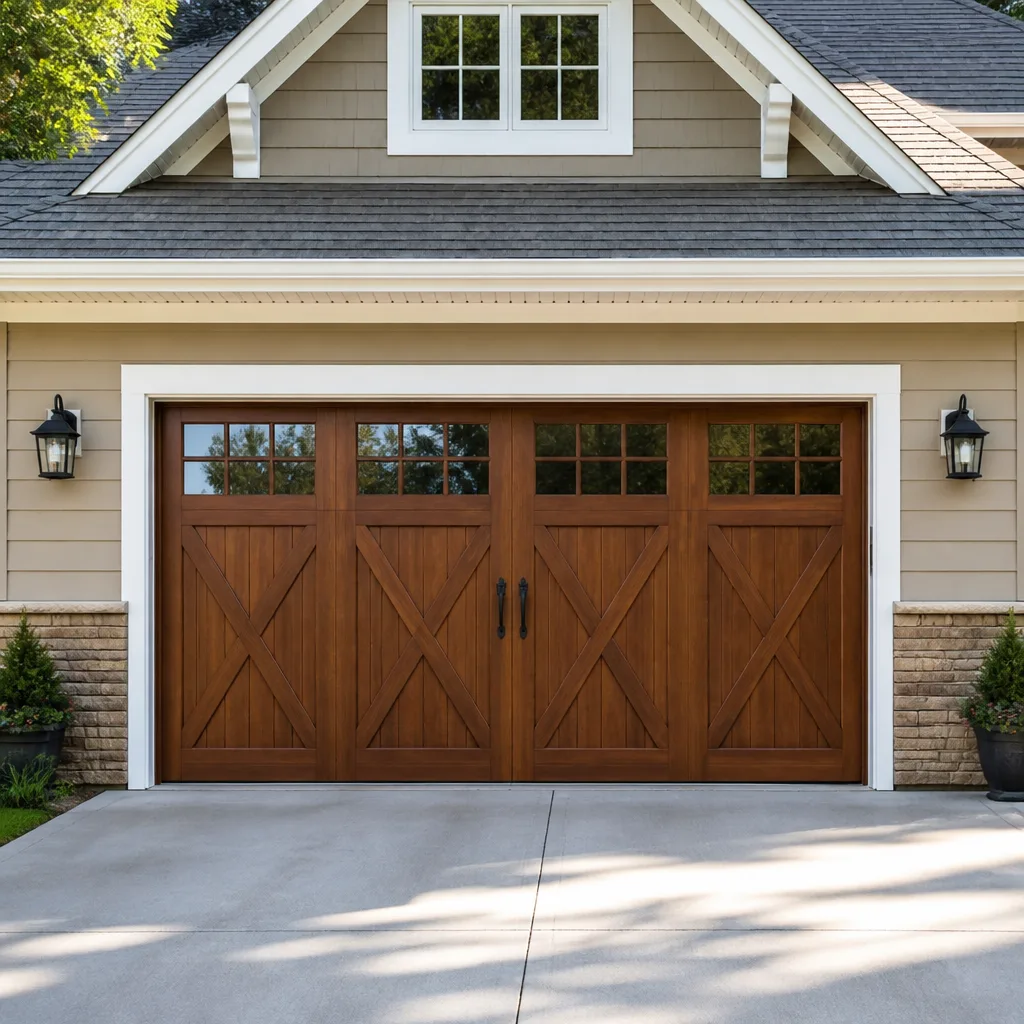 Carriage house
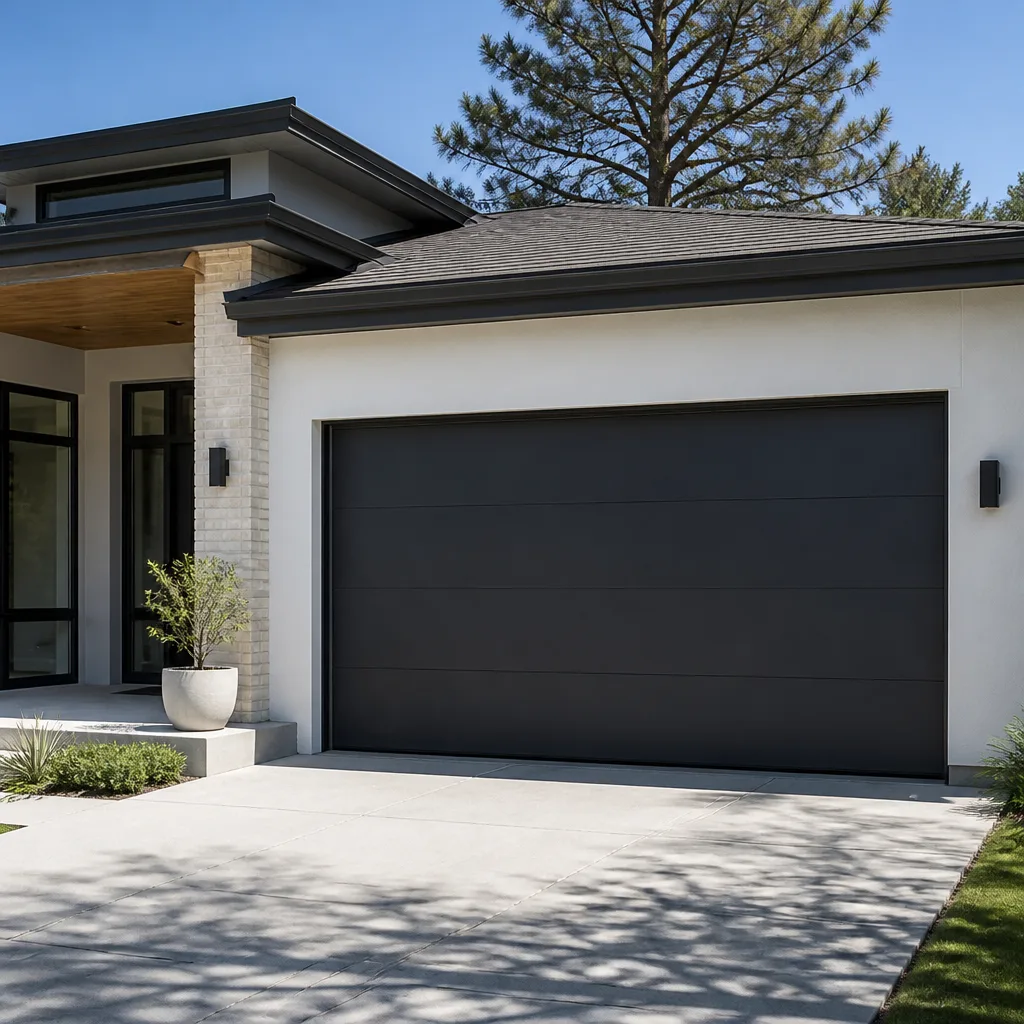 Modern flush
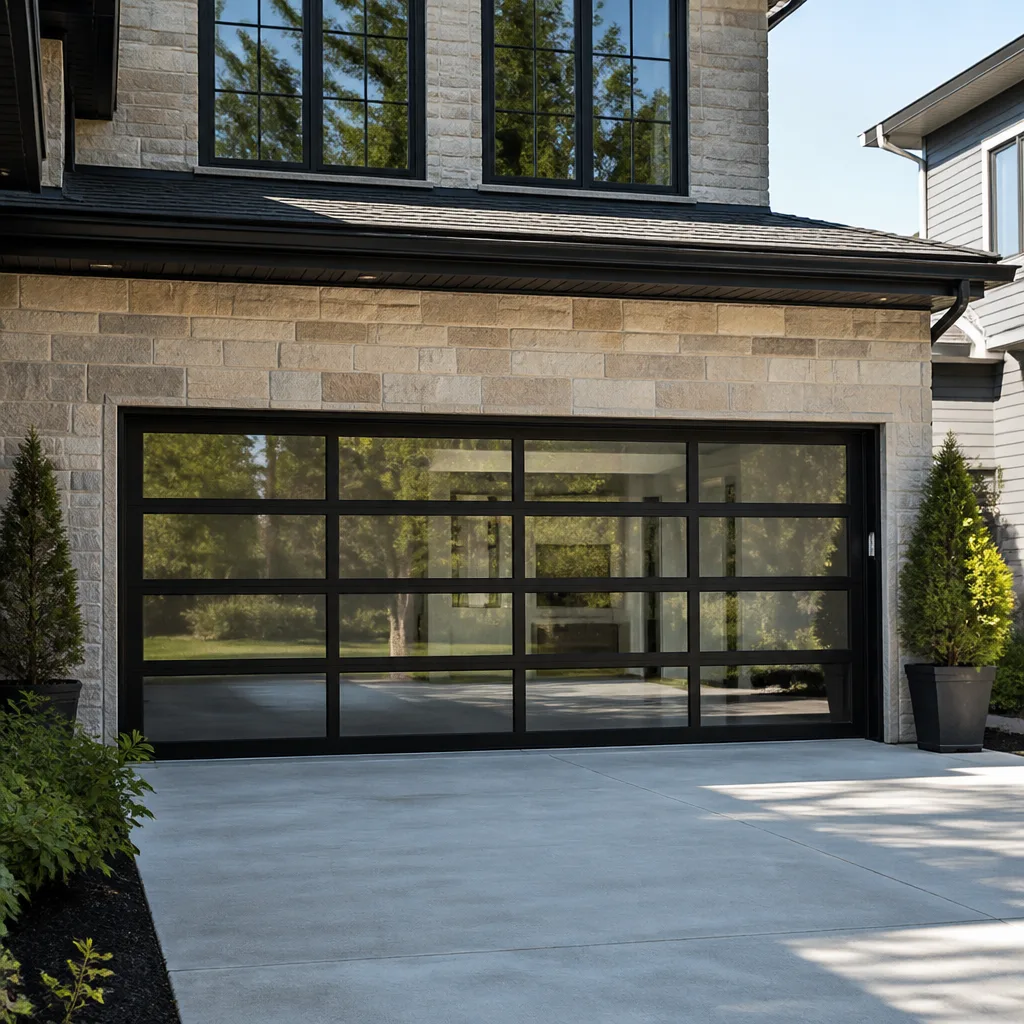 Full-view glass
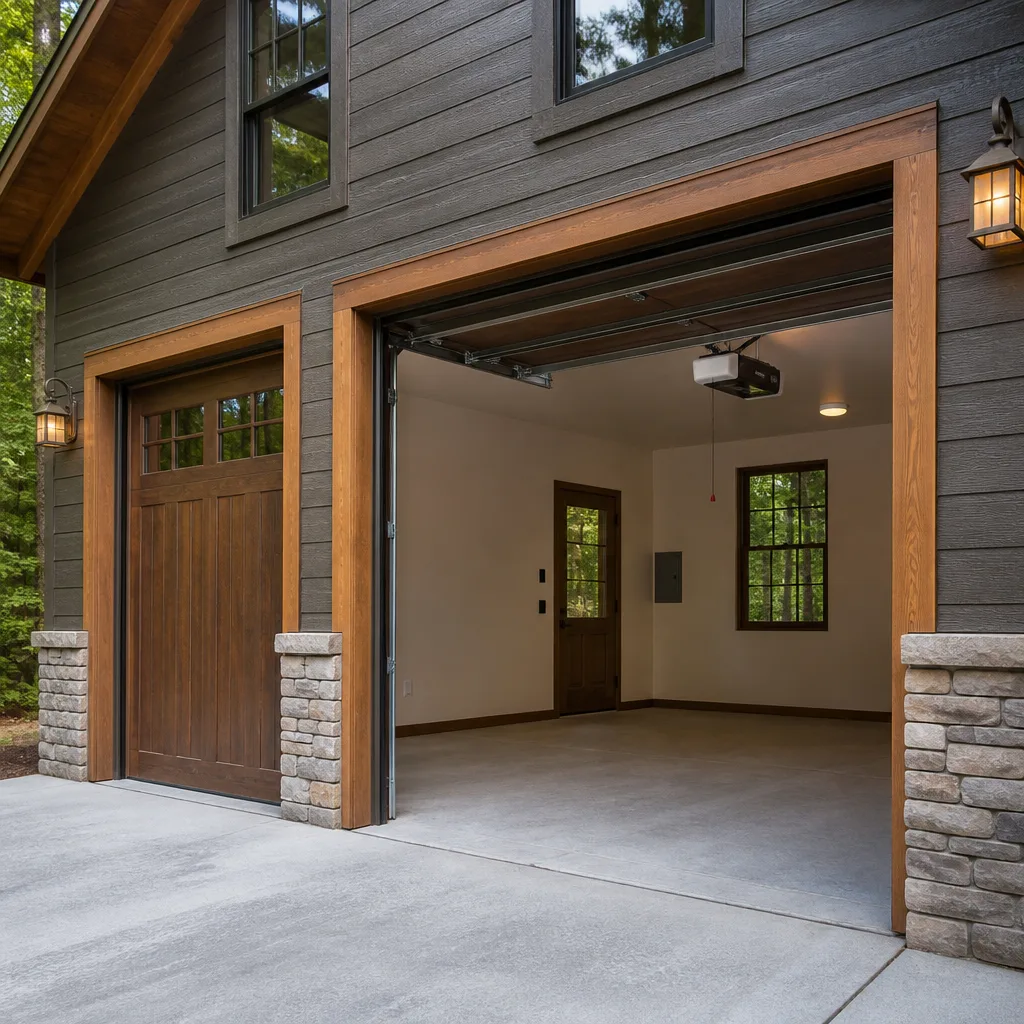 LiftMaster openers
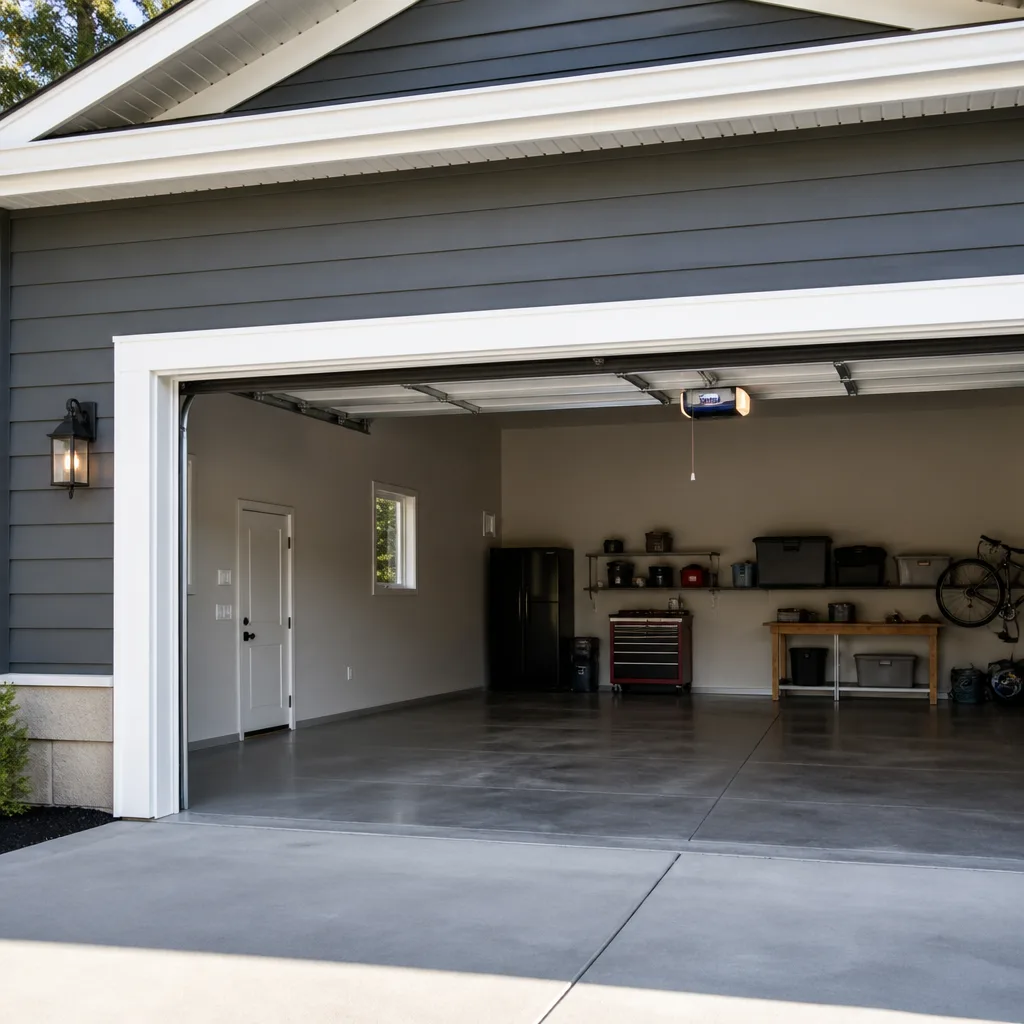 Chamberlain openers
Full 25-point door and opener safety check with every visit - springs, cables, rollers, tracks, and your LiftMaster or Chamberlain opener included
You get a price before we start. It does not change when the truck arrives.
Get your free estimateDIY vs Professional Garage Door: The Arcadia Homeowner’s Decision Guide
Torsion springs store enough mechanical energy to cause serious injury. That’s worth stating plainly, not burying in a liability disclaimer. But here’s what most online advice misses: not every garage door task needs a professional, and treating every repair as equally dangerous wastes your money. Replacing a remote battery is not the same as touching a wound spring, and a homeowner in Arcadia who understands that line saves real cash without gambling their fingers. This guide draws that line task by task, so you know exactly what you can handle on a Sunday afternoon, what needs a technician, and why.
Quick Answer
DIY garage door work in Arcadia splits into two clear categories. Lubrication, sensor cleaning, remote programming, and weatherstripping replacement are safe for most homeowners with basic tools. Torsion spring replacement, cable work, and panel replacement carry injury risk that scales dangerously with inexperience and should always go to a professional with the right training and tools.
Styles & brands we work with
- Raised-panel steel
- Carriage house
- Modern flush
- Full-view glass
- LiftMaster openers
- Chamberlain openers
Table of Contents
- The Real Line: Physics, Not Skill Level
- What’s Actually Safe to DIY: The Full List
- What You Should Never DIY: The Physics Explained
- What California’s Homeowner Exemption Actually Allows
- The Real Cost of a Botched DIY Attempt
- Tools: What a Homeowner Needs vs. What Pros Carry
- The Gray Zone: Opener Replacement
- Common Mistakes to Avoid
The Real Line: Physics, Not Skill Level
The DIY-versus-professional debate for garage doors isn’t really about how handy you are. It’s about stored energy. A garage door looks like a simple panel on rollers, but the lifting system is doing far more work than a casual observer would think. The springs counterbalance the door’s weight, which for a typical double-car door in Arcadia means managing somewhere in the neighborhood of 150 to 250 pounds of steel, wood, or composite material every time the door moves.
The physics change depending on the spring type. Extension springs stretch and contract along the horizontal tracks, storing energy under tension. Torsion springs sit on a metal shaft above the closed door and store energy by winding tightly. Both store enough force to move hundreds of pounds, and both fail catastrophically when they break. The difference matters for DIY decisions: a broken extension spring that’s fully stretched and detached is far less dangerous to inspect from a distance than a torsion spring that has snapped under tension. But neither one is safe for a novice to remove.
In our experience, the homeowners who get hurt are rarely the ones with no tools at all. They’re the ones with a socket set, a YouTube video, and enough confidence to skip the torque calculations. The line isn’t skill level. It’s whether the task requires managing stored mechanical energy or working under load. If the answer is yes, stop and call someone who does this every day.
What’s Actually Safe to DIY: The Full List
The safe side of the list is broader than most people expect. These tasks share two characteristics: no stored energy under your fingers and no risk of a falling door if you make a mistake.
- Lubrication. Spraying the rollers, hinges, and tracks with a silicone-based or lithium-based lubricant is the single highest-value DIY task for Arcadia homeowners. The dry Southern California air pulls moisture out of moving parts, which means metal-on-metal wear accelerates faster than in humid climates. A can of garage-door lubricant costs less than $15 and takes ten minutes.
- Sensor cleaning and alignment. The photo-eye sensors near the bottom of each track collect dust and dirt over time. If the door reverses for no reason or refuses to close, cleaning the sensor lenses with a dry cloth and checking that the small indicator lights are solid fixes most cases. This is a visual, low-risk job.
- Remote and keypad programming. Whether you have a Genie opener, a Chamberlain, or a LiftMaster, programming a new remote or keypad follows a button sequence that the manufacturer prints in the manual and makes available online. No tools required, no spring tension involved.
- Weatherstripping replacement. The rubber seal along the bottom of the door degrades from sun exposure and dry heat. Replacing it means sliding out the old seal and sliding in a new one. The door stays in place the entire time.
- Track inspection and tightening. Loose bolts on the vertical tracks happen gradually from vibration. A socket wrench and a visual check take minutes. What you shouldn’t do is adjust the horizontal track or any bracket that connects to the spring system, because those brackets are under load.
- Door balance test. This is a diagnostic check, not a repair. With the door closed, pull the emergency release cord and lift the door manually to about waist height. If it stays in place, the springs are doing their job. If it drops, the springs are worn. This test tells you whether to call for garage door repair before a spring fails completely.
There’s a pattern here. Every safe task involves observing, cleaning, or tightening parts that aren’t holding the door’s weight. If removing a part means the door drops or a spring unwinds, you’ve crossed the line.
What You Should Never DIY: The Physics Explained
Now the uncomfortable part. The reason torsion springs injure people isn’t that the warning labels are confusing. It’s that the wound spring stores rotational force, and releasing that force without the proper winding bars means the spring spins the bar out of your hands at high speed.
A torsion spring on a standard residential door carries roughly 8 to 12 full turns of tension when properly wound. Each turn represents stored energy, and the spring wants to unwind. The tool for safely managing that release is a pair of steel winding bars sized exactly to the spring’s cone holes, not a screwdriver or a pair of pliers. When a homeowner uses a substitute, the bar slips, the cone spins, and whatever is in the path takes the impact. The injuries are typically to hands, wrists, forearms, and sometimes the face.
Extension springs carry a different risk. They’re mounted above the horizontal tracks and stretch under load. If a spring breaks while the door is up, the stored energy releases suddenly and the broken end can whip through the air. The safety cable that runs through the center of the spring exists precisely because that whipping end has hurt people. Homes without safety cables, which are common on older doors in Arcadia, add another layer of risk.
Cable replacement is usually grouped with spring work for a reason. The lift cables attach to the bottom brackets of the door and route around pulleys to the spring system. They carry the door’s full weight during operation. If you remove a cable while the springs are still tensioned, the remaining energy has nowhere to go safely. Fastener failure while under load is not a theoretical risk.
Panel replacement, especially lower panels used frequently and dented by cars or bikes, also belongs in the professional column. Replacing a panel means disassembling sections of the door while maintaining track alignment and spring load. Get the sequence wrong and the door can bind, drop, or go off-track entirely.
The caveat here isn’t legal boilerplate. It’s the same advice a professional gives to their own family: don’t touch the parts that hold weight or store force.
What California’s Homeowner Exemption Actually Allows
California law is specific about what a homeowner can legally do on their own property. The California Business and Professions Code includes a homeowner exemption that allows a person to perform work on their own residence without holding a contractor’s license. That work has to be on the home you live in, not a rental property you own or a property you’re preparing to sell.
What that means practically for garage doors: you can legally replace weatherstripping, lubricate moving parts, program remotes, tighten loose hardware, and replace your own opener if you feel capable of the wiring. Nothing in the code stops a homeowner from doing maintenance on their own door.
What the exemption doesn’t do is make any task safe. The exemption covers licensing requirements, not physics. You don’t need a license to replace a torsion spring on your own home, which surprises a lot of people. But you’re legally allowed to do plenty of things that are poor decisions, and this is one of them.
For any structural or significant repair, including spring replacement and panel replacement, most cities in Los Angeles County also want a permit pulled through the building department. Arcadia’s building department asks about scope before issuing anything to a homeowner, so a quick call before a major project saves trouble. The permit requirement is separate from the contractor license question, and the homeowner exemption doesn’t waive permits.
The practical takeaway: California lets you work on your own garage door. That generous legal latitude is exactly why the safety judgment has to come from you.
The Real Cost of a Botched DIY Attempt
When a DIY project goes wrong, the cost usually isn’t the part you broke. It’s the diagnostic time a technician spends untangling an incomplete or incorrectly assembled job.
Here’s the typical sequence. A homeowner opens the torsion spring assembly, loses control of a winding bar, and the spring unwinds partially but doesn’t close the door. The door now sits half-open, the spring is in an unknown tension state, and several parts may be damaged or missing. A professional arrives to find a system they have to reverse-engineer before they can start the actual repair. Their first job is figuring out what was touched, what was skipped, and what tension remains.
That diagnostic hour is billed as labor, and it’s time a straightforward spring replacement wouldn’t have needed at all. In some cases, the homeowner has stripped a cone, bent a shaft, or damaged the bearing plate, all of which become additional parts on the invoice. The savings from avoiding a professional repair disappears quickly when the parts list doubles.
There’s also the safety dimension. A garage door that’s been incorrectly reassembled may appear to work for a few days before a cable slips or a bracket shears. That’s the more dangerous failure mode because it happens when someone is underneath the door, often while pulling a car out. You can’t un-break a spring, but you can definitely create a situation where the door behaves unpredictably weeks after the repair.
The math that matters for an Arcadia homeowner isn’t the initial quote. It’s the total cost of the DIY attempt plus the rework, measured against what the professional fix would have cost on day one. The second number is almost always lower.
Tools: What a Homeowner Needs vs. What Pros Carry
The tool list tells you a lot about the line between DIY and professional work. For the safe DIY tasks above, here’s what you actually need:
- A can of garage-door lubricant, silicone or lithium based
- A step ladder
- A standard socket set with metric and SAE sizes
- A flathead and Phillips screwdriver
- A dry cloth for sensor lenses
- Replacement weatherstripping sized to your door
That’s the whole list for maintenance-level work. Total investment is typically under $100 if you already own the ladder and socket set, and most Arcadia homeowners do.
Now compare the professional tool list for spring replacement:
- Steel winding bars sized to the cone holes, not improvised from a hardware store
- A torque-measuring setup to ensure the spring is wound to specification, because the right number of turns depends on the door’s exact weight and height
- Proprietary bearing plates and center brackets for specific door brands, including Clopay, Amarr, and Wayne Dalton hardware that isn’t interchangeable between manufacturers
- Clamps to lock the door in place on the track, because the door must never sit on an unbalanced spring
- Cable tension tools and pulley removal gear
- High-cycle springs rated for the door’s weight, which most hardware stores don’t stock in the right size
The specialized tools are the reason a professional can do in one visit what a determined DIYer spends a full day on. They’re also the reason the professional doesn’t get hurt doing it. When you see winding bars and a torque wrench, you’re looking at equipment whose entire purpose is making a dangerous release predictable. That predictability is what you’re paying for.
The Gray Zone: Opener Replacement
Opener replacement is the one task that sits honestly in the middle of the DIY-versus-professional decision, and it’s where we see the most homeowner confusion.
The case for DIY is real. Modern openers, including Genie and other major brands, come with step-by-step instructions, pre-programmed logic for the force settings, and safety sensor mounting that’s genuinely straightforward. The motor unit hangs from perforated steel straps, the rail bolts together in sections, and the whole assembly plugs into a standard ceiling outlet. If your existing opener was installed in the last decade, the mounting points and wiring are probably compatible with the new unit.
The case against DIY is equally specific. The first complication is header clearance. Some Arcadia garages, especially in older homes with lower ceilings built in the 1950s and 60s, don’t have enough clearance above the door for certain opener models, so you may need a wall-mount or low-clearance kit. The second is wiring: if your existing wiring is spliced, run through conduit, or has been patched over the years, matching it to the new opener’s logic board takes more electrical knowledge than the manual assumes. The third is the door itself: an opener works with a balanced door, so if the springs are weak, the opener strains and wears out early.
The right DIY approach is to first check the beam distance, measure the clearance between the top of the opened door and the garage ceiling, and confirm the outlet is within the cord’s reach. If all three check out, the job is doable for a competent homeowner in an afternoon. If any one of them is questionable, call before you mount the rail.
For opener problems that aren’t a full replacement, like a motor that runs but doesn’t move the door, a wall button that’s stopped working, or a smart-opener that won’t pair with your phone, garage door opener repair is often a component-level fix rather than a replacement. Diagnosing a circuit board versus a surge-damaged logic board versus a worn gear is exactly the kind of thing that takes a technician ten minutes and a homeowner an entire weekend.
Common Mistakes to Avoid
- Lubricating the tracks. Tracks don’t need lubricant. Grease on the tracks collects dust and debris, which adds friction and accelerates wear. Lubricate only the rollers, hinges, and springs.
- Using WD-40 instead of a garage-door lubricant. WD-40 is a solvent and water displacer, not a long-term lubricant. It breaks down the grease that’s already on the part. Use a silicone or lithium product made for garage doors.
- Disconnecting the emergency release while the door is up. If the springs are unbalanced, the door can slam down the moment you pull the cord. This happens in Arcadia garages when a DIYer assumes the door will stay put and it doesn’t. Always test the balance first with the door closed.
- Replacing one spring instead of both. On a standard two-spring system, both springs have the same number of cycles on them. Replacing one means the old spring fails soon, and you’ll be back inside a year with the same repair. The match is done as a pair for a reason.
- Ignoring the balance test result. The specific check I described earlier, lifting the door to waist height and letting go, takes one minute. If the door drops, the springs are done. Waiting until the spring snaps over your car is a self-inflicted timing problem.
- Buying parts without knowing the door’s weight and height. A spring that’s too strong or too weak doesn’t just wear out faster. It makes the door feel heavy in one direction, which strains the opener and can cause the door to come down lower than it should when engaged.
- Assuming a brand-new door means a brand-new opener is compatible. Most doors work with most openers, but not always. Clopay and Amarr doors each have their own hardware specifications, and some door models won’t mate cleanly with certain opener rails without an adapter. We work on the brand you already have, which matters more often than people expect.
When to Call a Professional
Call when the door is off its tracks, when a cable is frayed or has come loose, when the springs are visibly worn or have snapped, or when the door makes a sound you’ve never heard before and it’s getting worse. Also call when you’ve tried the safe DIY list and the door still reverses, sticks, or opens slowly. These are signs the problem is in the spring balance or the opener logic, not the surface-level parts.
For opener issues that are intermittent, like a door that only fails when the weather changes or a remote that works from the driveway but not the street, the components may be failing in ways that don’t show up in a basic reset. A trained eye catches a worn gear or a stretched chain before it strands you with the door shut and a car inside.
Garage Door Service Arcadia offers free estimates in Arcadia. Call (888) 495-0121 for a door that won’t open, a spring that’s worn, or an opener that’s failed. We answer 24/7. Fast dispatch from 7am to 7pm, Sunday through Friday.
See the difference
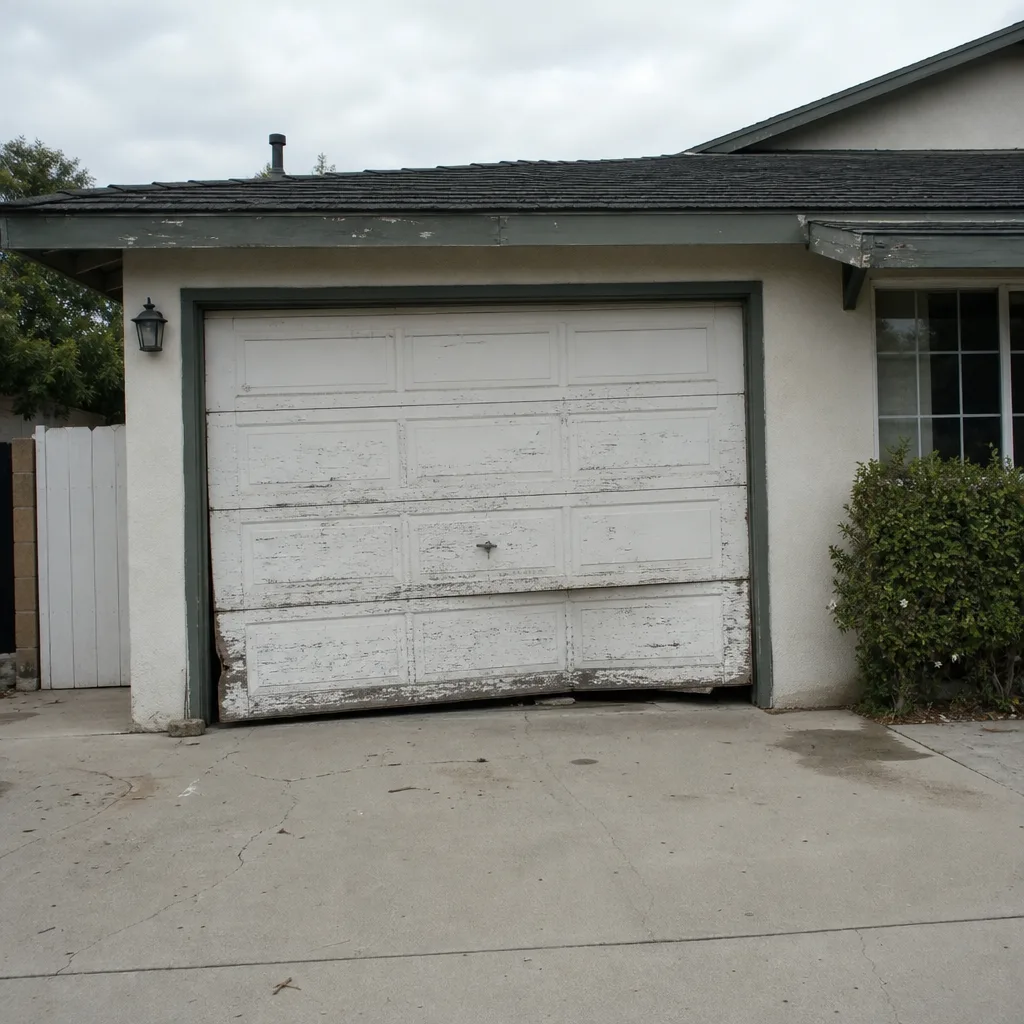 Before
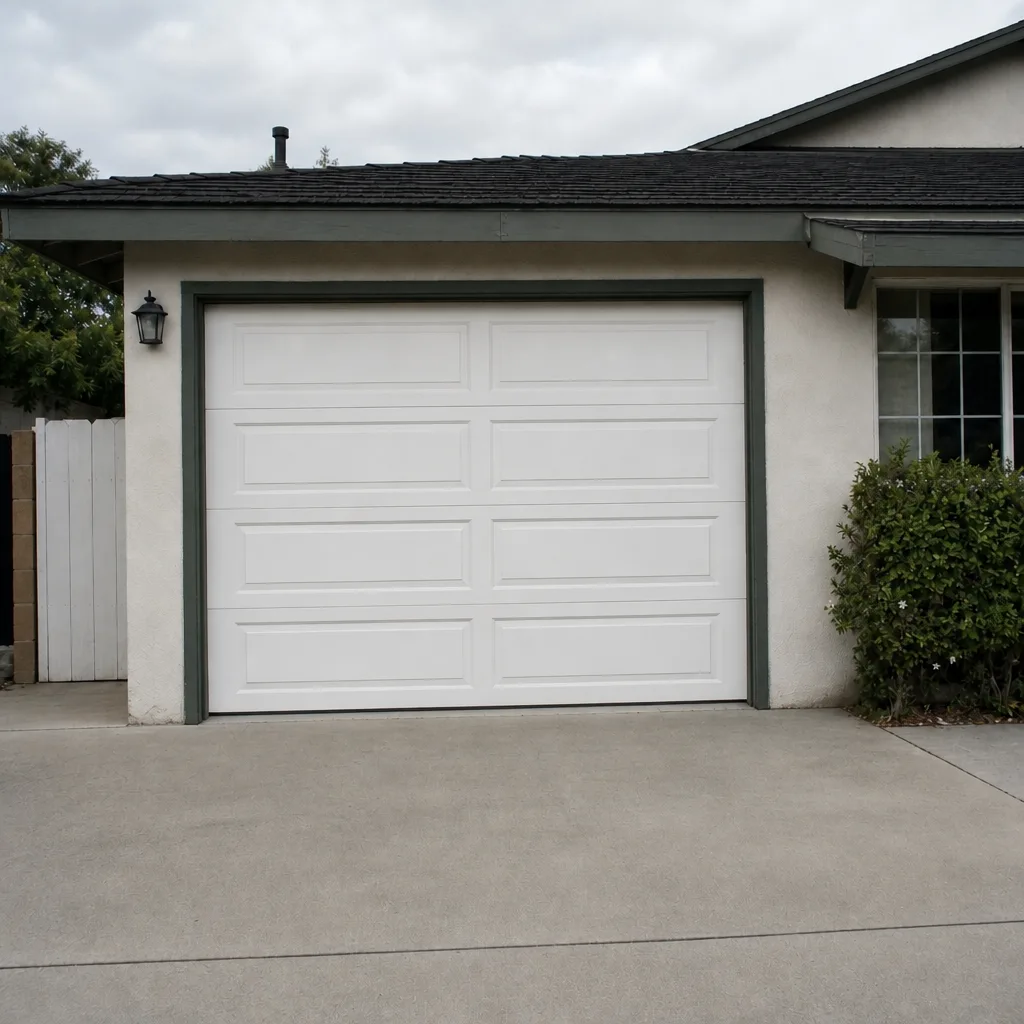 After
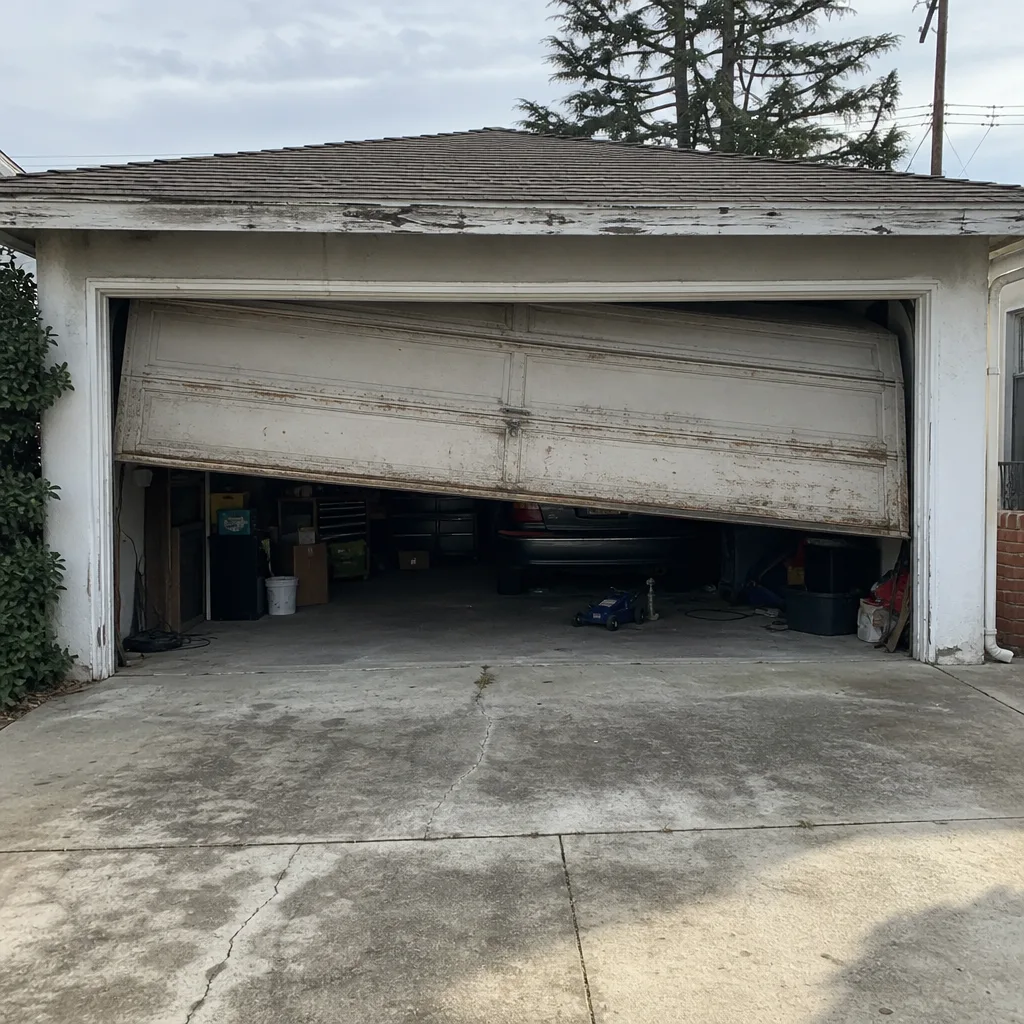 Before
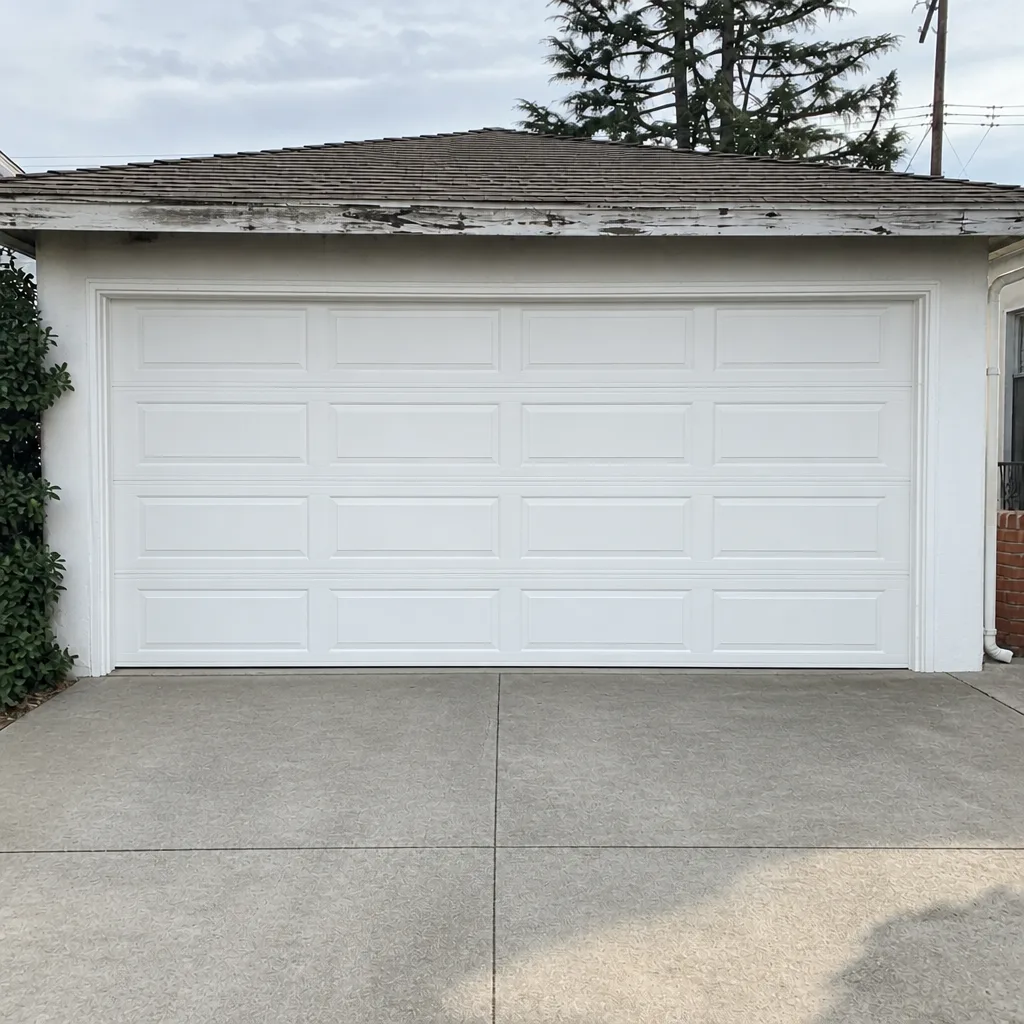 After
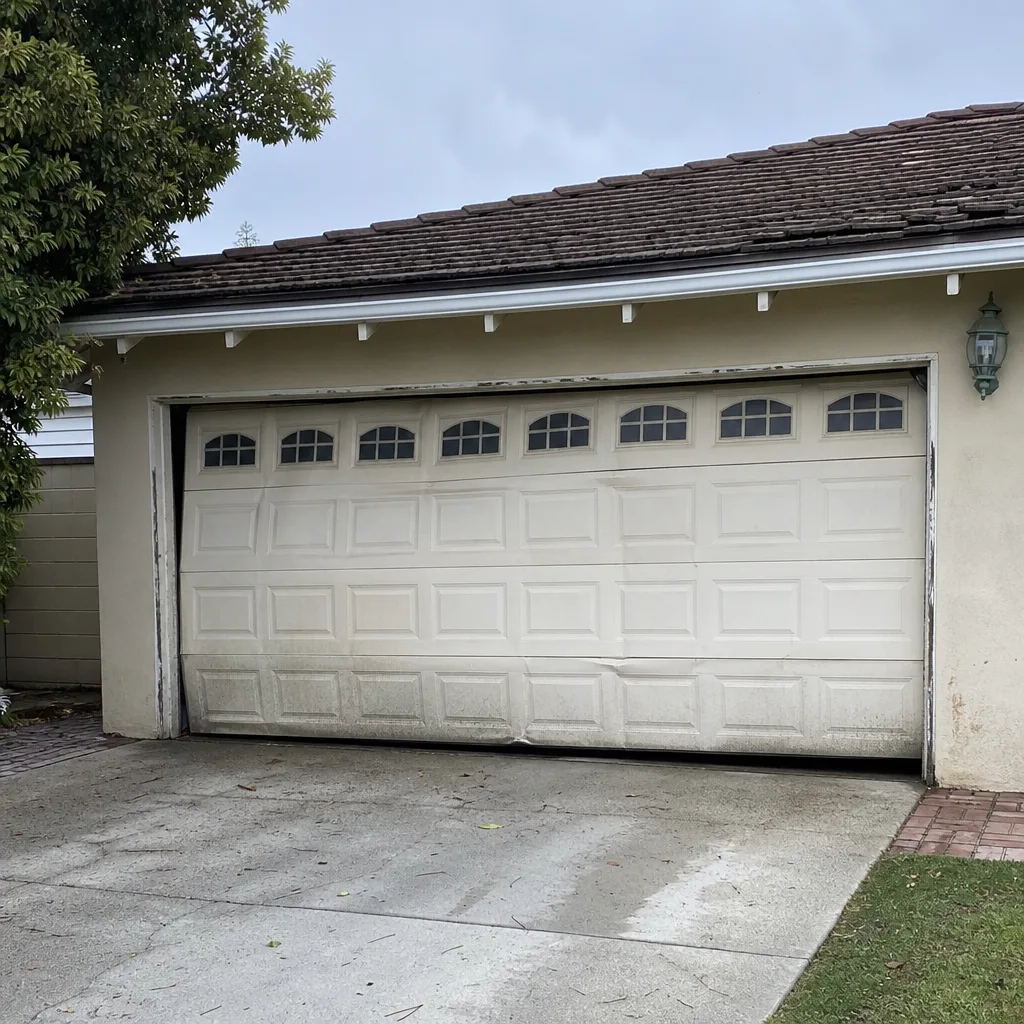 Before
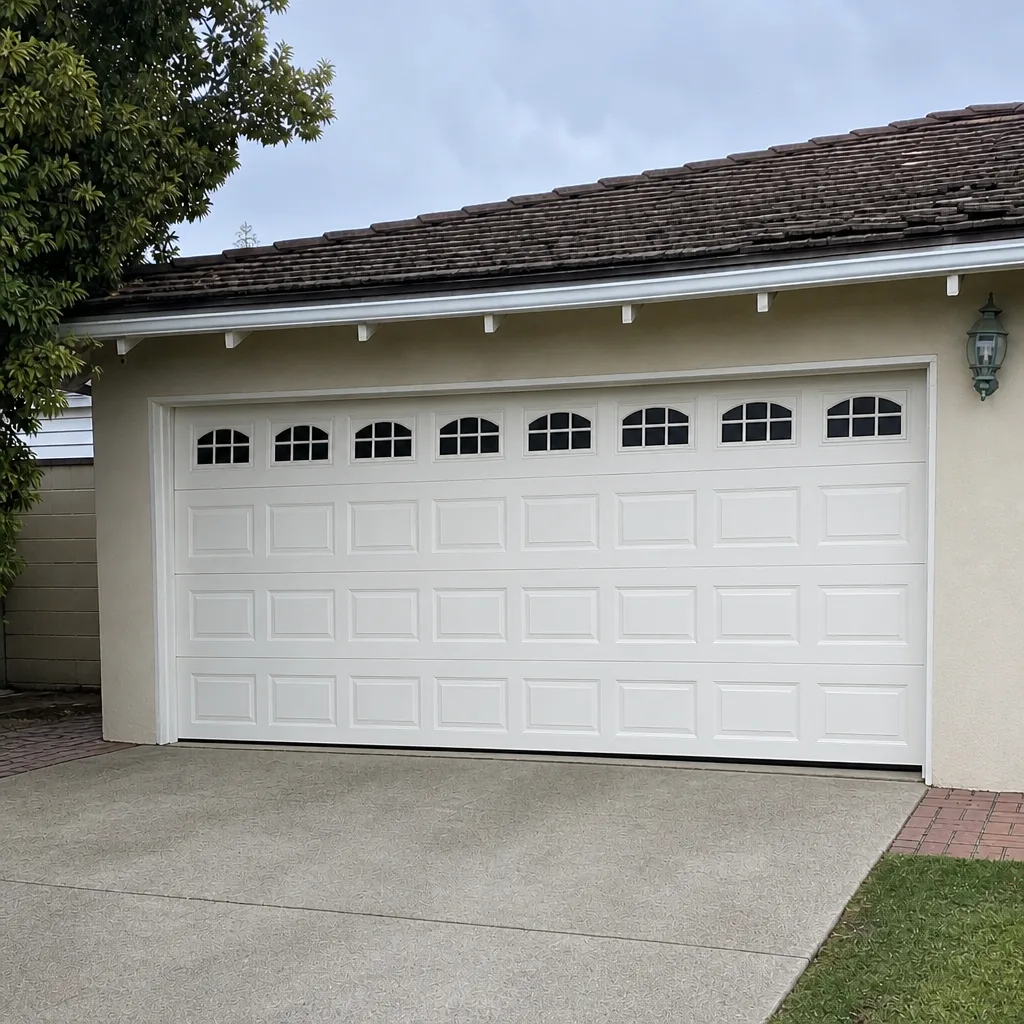 After
Frequently Asked Questions
How much does a professional garage door spring replacement cost in Arcadia?
A spring replacement in Arcadia typically costs between $180 and $340 for a single spring, with a matched pair usually running about twice that, depending on the door’s weight and the spring’s cycle rating. The written estimate we provide before the work starts sets the final price, so there’s no surprise at the end of the job. Call (888) 495-0121 for an exact quote, and estimates are free.
Can I replace my garage door opener myself in Arcadia?
Yes, if the header clearance, wiring, and outlet are already compatible with the new opener, and if the existing door is balanced. The work is more time-consuming than difficult. But if your Arcadia home has lower ceilings, spliced wiring, or a door that’s heavy to lift manually, the install goes sideways quickly. Call (888) 495-0121 for a free estimate and we’ll tell you what the job actually involves.
Can a garage door technician come today?
We answer 24/7. A call outside dispatch hours is booked into the next opening, Sunday through Friday, 7am to 7pm. Same-day service is available for most spring and cable repairs. Call (888) 495-0121 and describe the symptom, and we’ll get you on the schedule.
Will the price change once the technician sees the door?
No. The written estimate reflects the scope of work, and we agree on that price before anything is touched. If we find an additional issue during the repair, we stop and talk it through with you before doing anything else. The price you approve is the price you pay.
Do you carry the parts on the truck, or do you need to order them?
For spring and cable work, our trucks carry the common sizes and spring rates needed for most residential doors in Arcadia. For panel replacement or brand-specific opener parts, we may need to source the part. Because we work across Genie, Clopay, Amarr, Wayne Dalton, and the other major brands, we can usually match the existing component without trying to sell you a whole new system.
Is garage door repair covered by homeowners insurance in Arcadia?
Most policies cover sudden and accidental damage, like a car backing into a door or a tree limb falling on it, but normal wear on springs and cables is typically excluded as maintenance. We can work with your insurer on covered claims, and we’ll give you the documentation you need either way. Call (888) 495-0121 to talk through what happened.
The Bottom Line
The DIY-versus-professional decision for garage doors comes down to stored energy. Lubrication, sensor work, remote programming, and weatherstripping are safe, useful DIY tasks that every Arcadia homeowner can handle. Spring replacement, cable work, and panel repair are not, and the physics don’t care how confident you feel. Opener replacement sits in the middle, feasible for a careful homeowner with compatible clearances and wiring, but unforgiving when those conditions aren’t met. The money you save on the safe side is real. The money you lose on a botched attempt on the dangerous side isn’t worth the risk. For everything from broken springs to full installation, Arcadia homeowners can count on garage doors being all we do.
Written by the team at Garage Door Service Arcadia, serving Arcadia since 2018.