
Last updated November 4, 2026
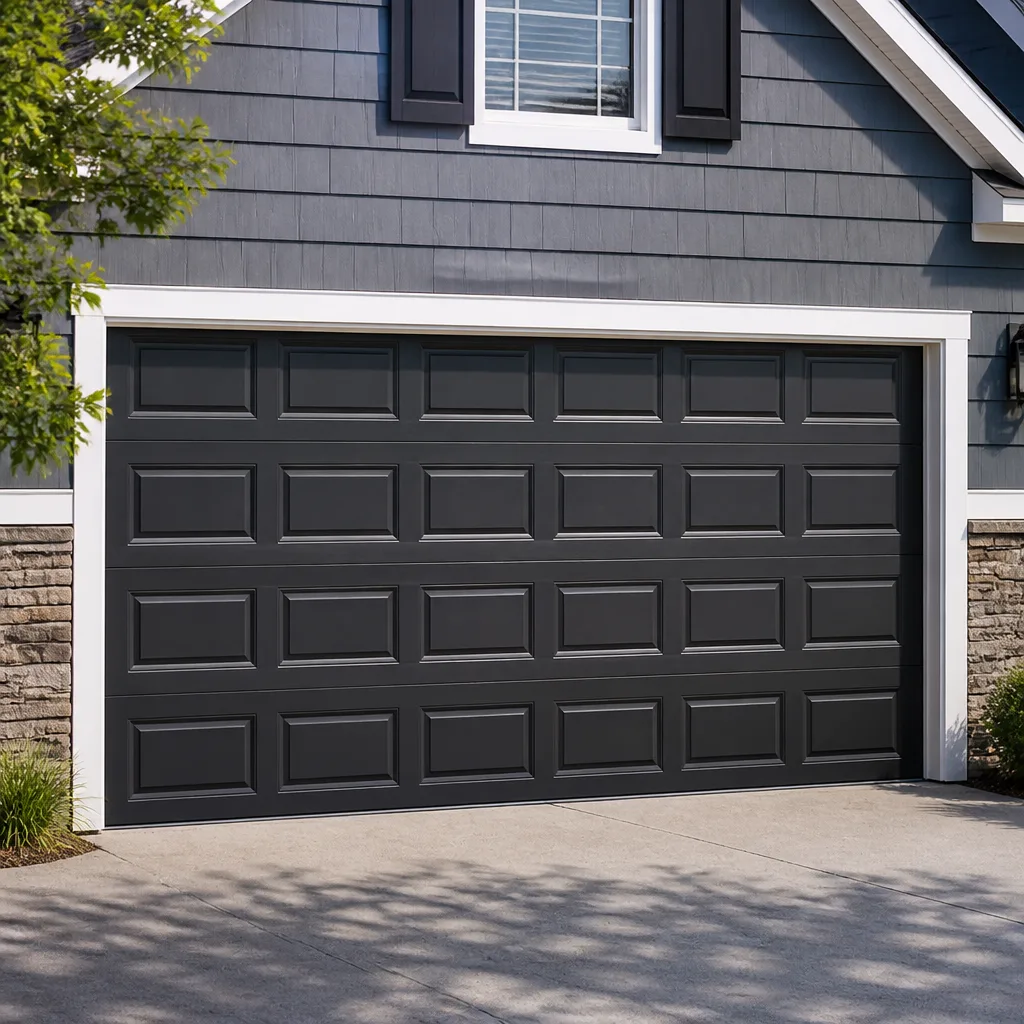 Raised-panel steel
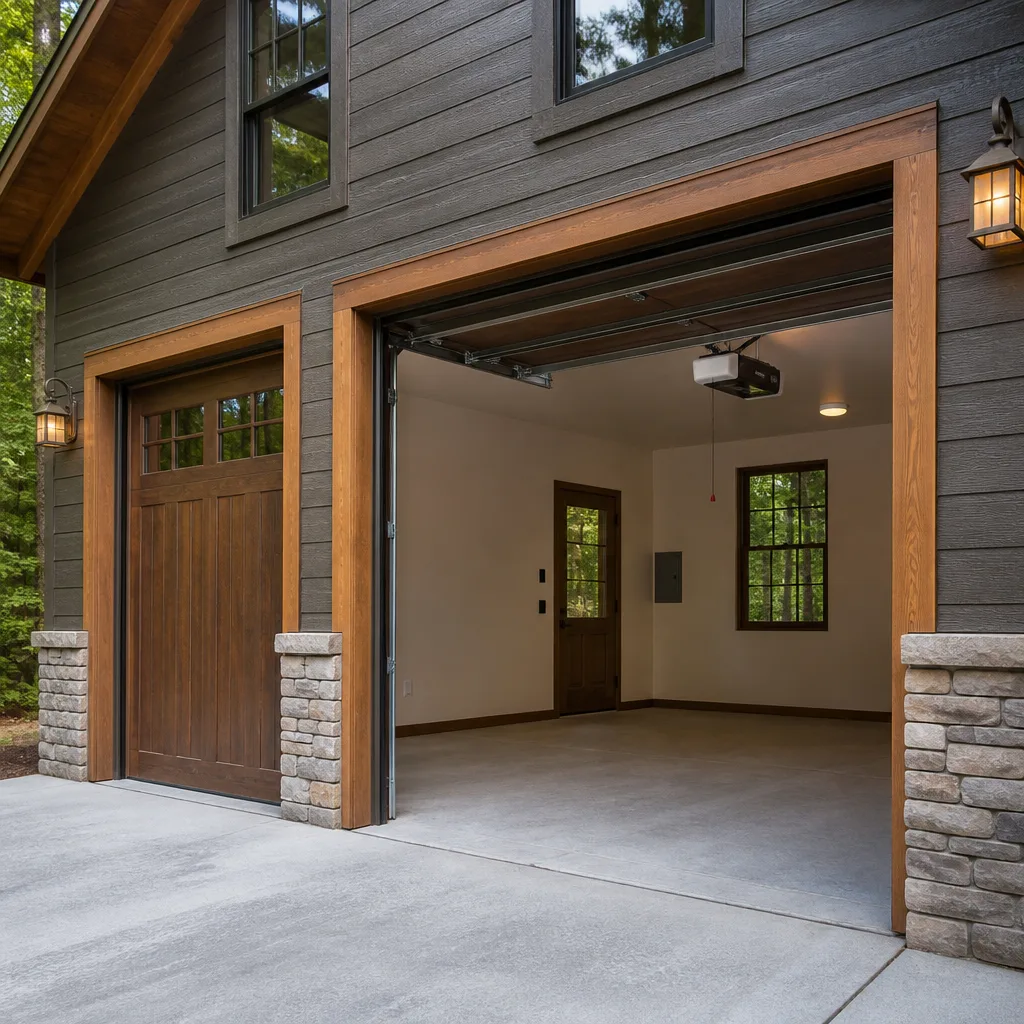
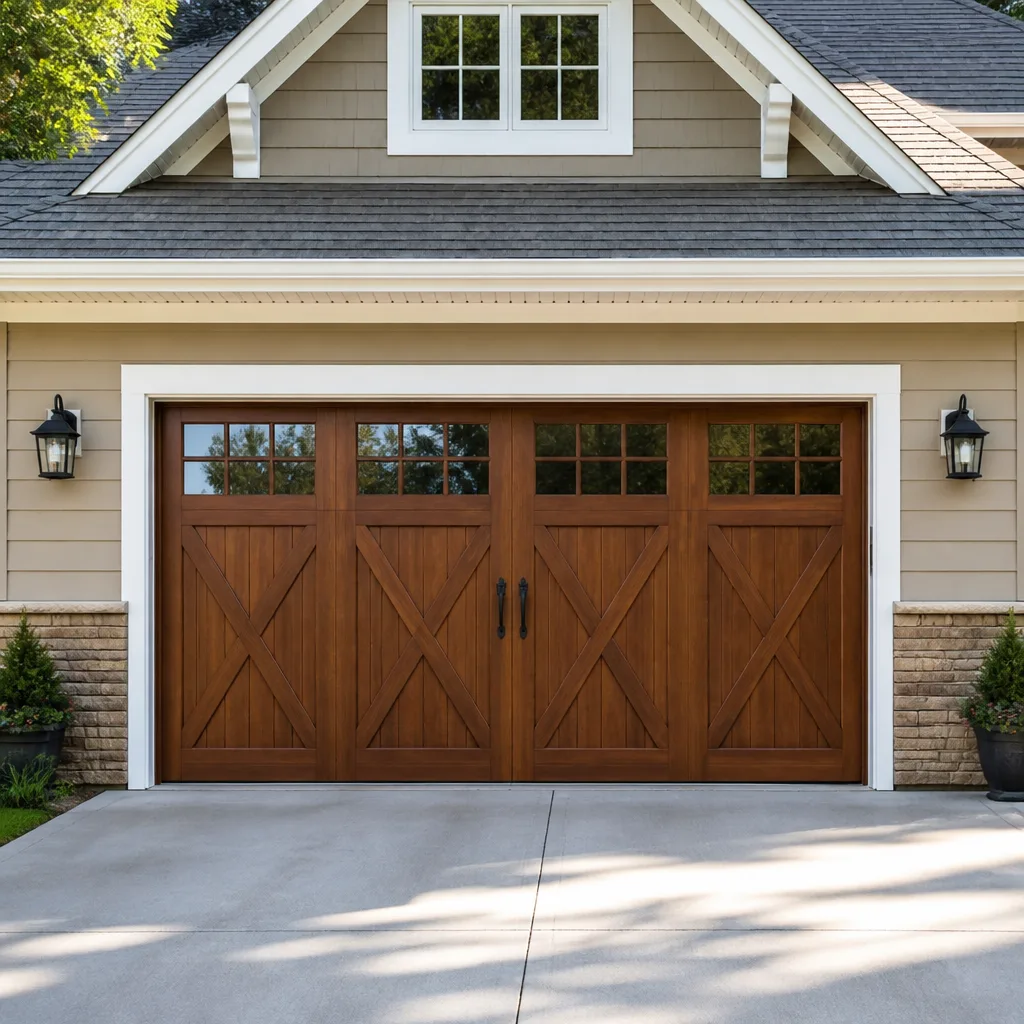 Carriage house
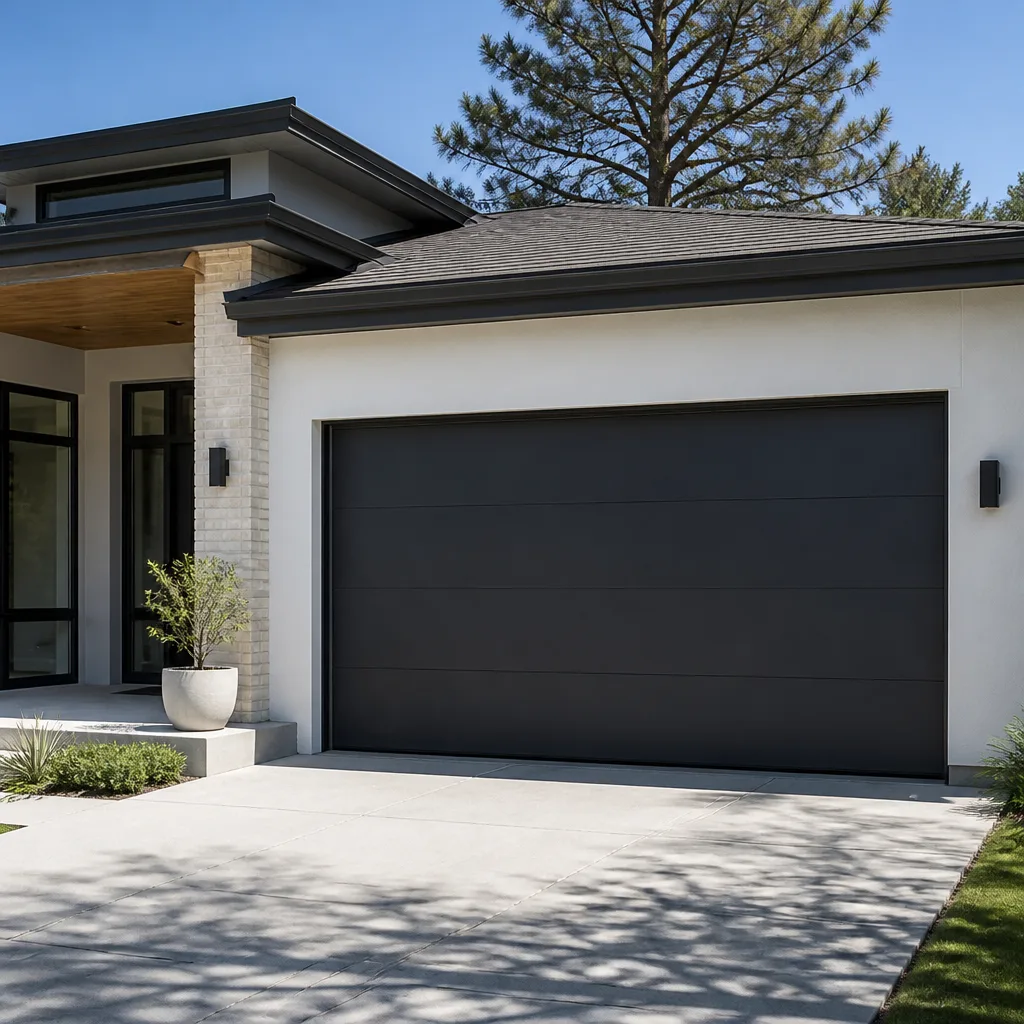 Modern flush
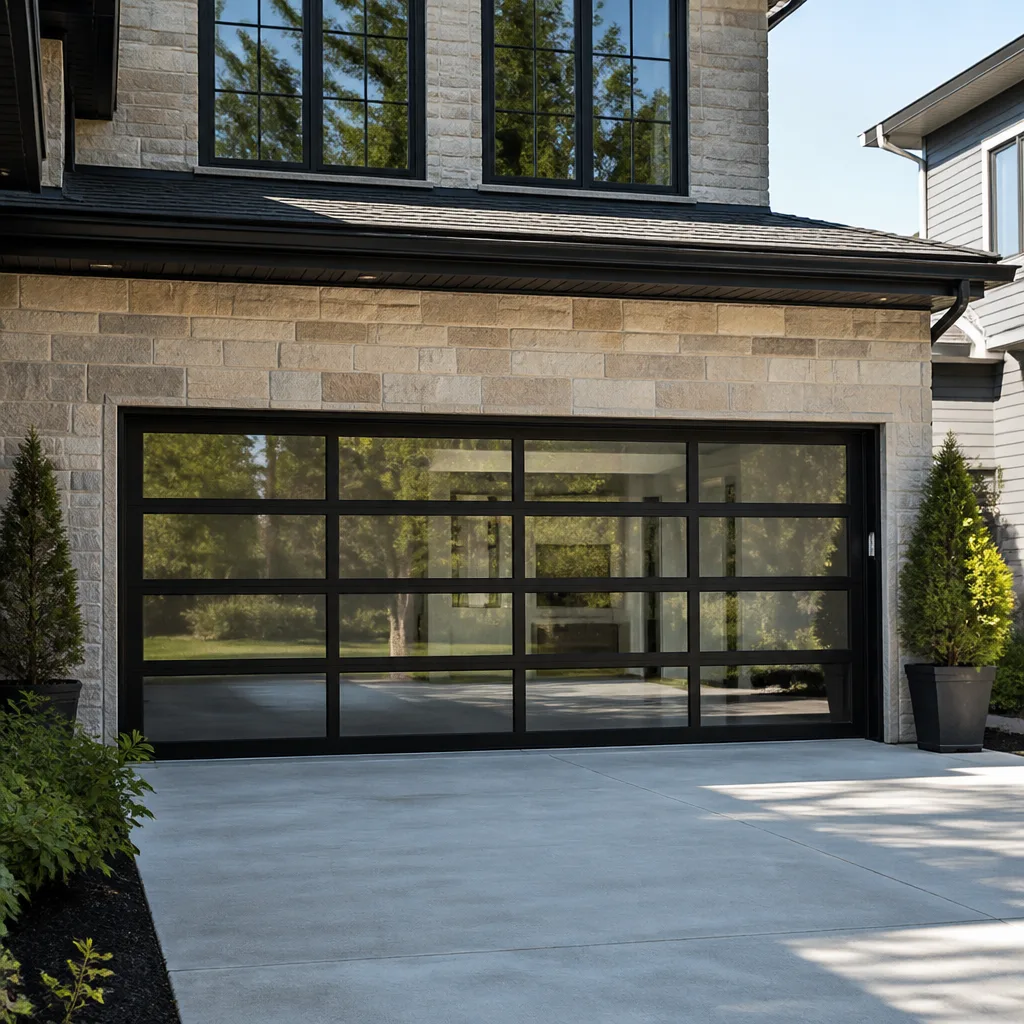 Full-view glass
 LiftMaster openers
 Chamberlain openers
Full 25-point door and opener safety check with every visit - springs, cables, rollers, tracks, and your LiftMaster or Chamberlain opener included
You get a price before we start. It does not change when the truck arrives.
Get your free estimateGarage Door Permits, Codes & Inspections in Arcadia, CA: What You Need to Know
Most homeowners treat a garage door replacement like an appliance swap. You buy a new door, a crew hauls the old one away, and the job is done by afternoon. But California building law draws a different line, and the City of Arcadia enforces it closely. The moment a project involves structural framing changes, new opener wiring, or a door installed on a garage being converted to living space, you’re no longer doing a product swap. You’re doing building work. This guide walks through exactly when a permit is required in Arcadia, what Title 24 demands for energy compliance, what the city inspector actually checks, and how unpermitted work can resurface years later during a home sale.
Quick Answer
A garage door permit is required in Arcadia when the project involves structural modifications, electrical work for a new opener circuit, or installation on a conditioned-space garage subject to California Title 24 energy standards. A like-for-like replacement of a door and opener using existing framing and existing electrical typically does not require a city permit, though HOA approval is a separate matter. When in doubt, call the City of Arcadia Building Division before work starts. A quick call now prevents a title disclosure problem later.
Styles & brands we work with
- Raised-panel steel
- Carriage house
- Modern flush
- Full-view glass
- LiftMaster openers
- Chamberlain openers
Table of Contents
- When Does a Garage Door Require a Permit in Arcadia?
- Title 24 Insulation Rules and Why They Matter in Arcadia
- What the Arcadia Garage Door Inspection Actually Checks
- Unpermitted Work and Home Sales: The Disclosure Problem
- HOA Approval vs. City Permit: What You Need and in What Order
- Step-by-Step: Getting a Legal Garage Door Replacement in Arcadia
- Common Mistakes to Avoid
- When to Call a Professional
- Frequently Asked Questions
When Does a Garage Door Require a Permit in Arcadia?
The short answer is that most straightforward garage door replacements in Arcadia don’t need a permit, but the exceptions catch more people than you’d expect. The City of Arcadia follows the California Building Code, which distinguishes between repairs that maintain existing conditions and alterations that change them. Swapping a tired steel door for a new one using the same opening, same framing, and same opener circuit is considered maintenance. No permit. But widen the opening? Add a header? Run a new electrical line because the old wiring doesn’t meet current code? That’s an alteration, and the Building Division wants a record of it.
Here are the specific trigger points under the City of Arcadia Municipal Code framework:
- Structural framing changes. If the rough opening is modified, a new header is installed, or the jamb configuration changes, a permit is mandatory. The city treats this as structural work, not cosmetic.
- New electrical work. Installing a new opener circuit, adding a dedicated outlet, or re-wiring an existing opener to meet current code triggers an electrical permit. Plug-and-play opener swaps on an existing, code-compliant outlet generally do not.
- Garage-to-living-space conversions. Arcadia has seen a steady wave of ADU and bonus-room conversions. If a garage is converted to conditioned space, the door is no longer a simple garage door. It becomes part of the building envelope and must meet Title 24 energy requirements. This is the single biggest gap we see in garage door opener repair and replacement projects in Arcadia.
- Load-bearing wall alterations. Any project touching the wall above the garage door opening or the ceiling assembly requires the same structural scrutiny as the door itself.
For a door replacement without any of those triggers, the city generally considers it exempt from permitting. But the homeowner is still responsible for ensuring the work meets basic safety standards. That’s where choosing a specialist matters. We work on the brand you already have, whether it’s a LiftMaster opener, a Wayne Dalton door, or a Craftsman system, and we know the local code requirements in Arcadia well enough to tell you honestly whether your project crosses the permit threshold before any work begins.
Title 24 Insulation Rules and Why They Matter in Arcadia
California’s Title 24 energy standards apply statewide, but their practical impact is very different depending on the house. Most standalone garages in Arcadia are unconditioned spaces. They’re not heated or cooled, so the garage door doesn’t factor into the home’s energy budget. But the picture changes completely when a homeowner converts a garage into a home office, gym, ADU, or guest suite. The moment that space is conditioned, the garage door is no longer optional on the energy calculation. It’s part of the wall.
Here’s what that means in practice:
- Insulated doors become a requirement, not an upgrade. A conditioned garage needs a door with insulation appropriate for the local climate zone. Arcadia’s mild winters mean freeze-thaw is a non-issue, but the interior temperature delta still matters. A poorly insulated door on a conditioned space bleeds energy year-round.
- Weatherstripping and seals are inspected. Title 24 compliance for conditioned garages includes checking that perimeter seals, bottom seals, and panel joints prevent air infiltration. The inspector will look at these specifically.
- Documentation matters for the permit file. If the door was installed as part of a permitted conversion, the building file should reflect the door’s insulation values and energy performance. An unpermitted door on a converted garage creates a dual compliance problem: the conversion itself and the door within it.
The common gap we see is with ADU conversions in Arcadia neighborhoods. Homeowners complete a beautiful interior conversion, months later the old garage door begins to sag or the opener fails, and they call for a standard replacement. What they actually need is a Title 24-compliant door that matches the energy profile of the newly conditioned space. That’s a very different conversation than swapping a door on a detached two-car garage used for parking. Garage door repair on a conditioned space should always factor in the energy compliance history of the conversion, because the next buyer’s agent will ask about it.
What the Arcadia Garage Door Inspection Actually Checks
If your project does require a permit, you’ll schedule an inspection with the City of Arcadia Building Division before the work is signed off as complete. Walking in blind is the fastest way to fail an inspection. Here’s what the inspector actually looks at, broken down by category.
- Structural integrity of the framing. The inspector verifies that the header, jambs, and mounting points are sized correctly and properly secured. If the rough opening was modified, this is the first check. A failed inspection here often means redoing framing work, not just adjusting the door.
- Opener electrical compliance. The outlet, wiring, and any hardwired connections are checked against the National Electrical Code as adopted by California. AFCI or GFCI requirements, circuit capacity, and junction box accessibility all get reviewed. A plug-in opener on a properly grounded outlet passes easily. Old, ungrounded wiring usually doesn’t.
- Safety reversing mechanisms. Since 1993, federal law has required residential garage door openers to have auto-reverse and photo-eye sensors. The inspector tests both. The door should reverse when it meets resistance within two seconds of contact with a solid object, and the sensors must be mounted no higher than six inches off the floor and aligned properly.
- Door balance and spring tension. A properly balanced door should stay in place when raised or lowered manually about halfway. If it slams or drifts, the springs are out of balance. Arcadia inspectors are trained to spot this because a door that falls during an inspection is a hazard, not a formality.
- Weatherstripping and sealing for conditioned spaces. As covered above, any garage door on a conditioned space gets checked for air leakage at the sides, top, and bottom. This includes garage doors on newer builds where the garage is attached but insulated.
The inspection typically takes 15 to 30 minutes if the work is clean. If the inspector has to write up corrections, you’ll get a list and a re-inspection date. A re-inspection fee may apply. Working with a crew that does garage door opener repair and installation in Arcadia regularly means the work is built to pass the first time, because we’ve seen what gets flagged and we build accordingly.
Unpermitted Work and Home Sales: The Disclosure Problem
This is the quiet trap that catches sellers off guard. A garage door installed without a required permit can sit quietly for years. The door works fine. Nobody thinks about it. Then the house goes on the market, and the buyer’s agent requests the permit history from the City of Arcadia. If the door replacement appears nowhere in the building file but the current door doesn’t match the original construction plans, the transaction gets complicated.
Here’s what happens in practice:
- Disclosure becomes mandatory. California law requires sellers to disclose known material facts about the property. An unpermitted alteration that required a permit is a material fact. Failing to disclose it is seller misconduct, regardless of whether the door works perfectly.
- Buyers’ agents are checking permit history as standard practice. This isn’t the occasional thorough agent anymore. Permit history requests are now a routine part of due diligence in Southern California real estate transactions. Arcadia’s active market means most sales involve a detailed review of any structural or electrical work visible at the property.
- Retroactive permits are possible but costly. The city can issue a permit for already-completed work, but it requires an inspection of the finished installation. If the work doesn’t meet code, you’re fixing it before the sale closes. That’s a deadline-driven repair with no negotiation room.
- The buyer can demand a credit or repair. If an unpermitted door is discovered, the buyer may negotiate a price reduction, request the seller obtain a retroactive permit, or walk entirely. In a multiple-offer situation, an unpermitted door becomes the justification for the losing bidder to pass.
From our perspective, the answer is simple. Get the permit question settled before the door goes in, not after. We work on brands like Raynor and LiftMaster because that’s what Arcadia homeowners already own, and we’d rather tell you upfront that a permit applies to your specific situation than have you discover it on a disclosure form three years from now. Garage doors are all we do, which means we’ve seen enough title report surprises to know that a five-minute permit check beats a five-figure escrow renegotiation every time.
HOA Approval vs. City Permit: What You Need and in What Order
Arcadia has a significant number of homeowners association-governed communities, particularly in the newer subdivisions and planned developments. HOA architectural review and city permitting are separate processes with separate legal authority. You may need one, both, or neither depending on your project and property.
Here’s the distinction that clears up most confusion:
- HOA approval governs appearance and design. Your HOA’s architectural committee cares about door style, color, material, and consistency with neighborhood standards. They have no authority over building code compliance, safety, or energy standards. Their approval is a covenant matter, not a legal construction authorization.
- City permitting governs building code and safety. The City of Arcadia cares about structural integrity, electrical safety, and energy compliance. The city has no interest in whether your door matches your neighbor’s, as long as it’s code-compliant.
- Order of operations: HOA first, then city. Secure HOA architectural approval before you pull a city permit, if your HOA requires review. HOA committees can take 30 to 90 days to review, and you don’t want a city permit clock running while you wait. City permits in Arcadia generally have expiration windows once issued, and you don’t want to waste that time waiting on architectural feedback.
- Some Arcadia neighborhoods have no HOA at all. Older Arcadia neighborhoods, especially the classic mid-century areas, typically have no HOA restrictions beyond the city’s own design standards, which focus on setbacks and height, not garage door aesthetics. If you’re not in an HOA, city code is your only regulatory check.
When we handle a garage door installation in Arcadia, we always ask about HOA requirements early in the process, because it changes the timeline and sometimes the door style. We install brands like Amarr and Clopay that offer a wide variety of designs and finishes, so matching an HOA’s architectural standard is usually straightforward once we know what that standard is.
Step-by-Step: Getting a Legal Garage Door Replacement in Arcadia
Whether you need a permit or not, a methodical approach keeps the project clean and protects you long-term. Here’s the order we recommend to every Arcadia homeowner.
- Determine the scope. Is this a like-for-like replacement, or does it involve structural changes, new electrical, or a conditioned-space conversion? Be honest about the scope. If you’re unsure, call the City of Arcadia Building Division and ask.
- Check HOA requirements. If you’re in an HOA community, pull your CC&Rs and see if garage door changes require architectural review. Submit your request. Get written approval before ordering anything custom.
- Pull the city permit if required. If your scope triggers a permit, have the contractor pull it, or pull it as the homeowner-builder if you’re doing the work yourself. The permit document should list exactly what’s being done and what inspections are required.
- Install the door to code. Use properly sized framing, compliant electrical, and a door that meets the energy requirements for your space type. If it’s a conditioned garage, confirm insulation values and weatherstripping are correct.
- Schedule the inspection. Call the Building Division to schedule your inspection once the work is complete. Be present. The inspector will review structural, electrical, and safety items as covered above.
- Correct any notes and close the permit. If the inspector flags issues, fix them and schedule a re-inspection. Once the permit is signed off, the work is officially closed in the city’s file. Keep the final inspection record. You’ll want it when you sell.
Most Arcadia garage door replacements never reach step three, because they’re genuinely like-for-like swaps with no structural or electrical changes. But for the projects that do require permits, following this sequence avoids the stress of rushed corrections and keeps the building file clean. We’re happy to walk through this checklist with you on the phone. We won’t upsell you into a permit you don’t need, and we won’t pretend a permit isn’t required when it is.
Common Mistakes to Avoid
- Assuming all garage door replacements are permit-exempt. Like-for-like swaps usually are, but the moment framing or electrical changes enter the picture, a permit is required. Assuming otherwise is the top mistake we see in Arcadia, particularly on homes with original 1950s and 1960s electrical that hasn’t been updated.
- Treating HOA approval as a substitute for a city permit. HOA architectural approval governs design. It has zero legal authority to authorize construction work. If the city requires a permit, you need both, in the right order.
- Forgetting Title 24 when converting a garage to living space. The day you add insulation and drywall to that garage, the door becomes an energy component, not just an access point. A standard non-insulated door on a conditioned conversion will fail an inspection and waste energy year after year.
- Installing a new opener on old, ungrounded wiring. A new smart opener on a 1960s ungrounded circuit is not code-compliant, no matter how well the opener itself works. Arcadia has plenty of original wiring still in service, and this is a frequent inspection failure.
- Ignoring the permit history when buying a home. Buyers in Arcadia should request the permit history as a standard part of due diligence. An unpermitted garage door or opener installation can become the buyer’s problem the day escrow closes.
- Using a contractor who tells you permits are never needed. Any contractor working in Arcadia who makes a blanket claim that garage door work never requires a permit is either inexperienced or being dishonest. The correct answer depends on your specific scope, and a licensed specialist should be able to explain exactly where your project falls.
When to Call a Professional
You can replace a garage door as a homeowner-builder in California, but that doesn’t mean you should. A door with high-tension springs, a new opener circuit, and structural mounting points is a system, not a single product. Getting the balance right, wiring the opener safely, and ensuring the door passes inspection requires working knowledge of both the code and the specific hardware. If the project involves torsion springs, understand that the stored energy in those springs can cause serious injury if released improperly. This is not a DIY project to learn on.
A brand-agnostic specialist matters here. Arcadia homeowners own doors and openers from LiftMaster, Chamberlain, Genie, Clopay, Amarr, Wayne Dalton, Craftsman, and Raynor. A company that only works on one brand has an incentive to tell you your existing opener or door needs replacing when it doesn’t. We work on what you already have. Garage Door Service Arcadia offers free estimates in Arcadia. Call (888) 495-0121 to talk through your project, whether it’s a simple like-for-like swap or a full replacement with permits and inspection. We answer 24/7. Fast dispatch from 7am to 7pm, Sunday through Friday.
Frequently Asked Questions
A permit is required in Arcadia if the project involves structural framing changes, new opener electrical work, or installation on a conditioned-space garage subject to Title 24. A like-for-like replacement using existing framing and existing electrical typically does not require a permit. If you’re unsure, call the City of Arcadia Building Division and describe the scope before any work begins. Call (888) 495-0121 for a free estimate and we’ll walk through the permit checklist with you.
The city inspection fee is part of the permit cost when a permit applies. If no permit is required, there is no inspection fee at all. The cost of the door and installation is quoted upfront, in writing, before any work starts. The written estimate is the price, with no surprise charges added after the fact. For an exact quote on your specific door and scope, call (888) 495-0121. Estimates are free.
Yes. We dispatch technicians from 7am to 7pm, Sunday through Friday, and same-day service is available. Call (888) 495-0121. We answer 24/7, and a call outside dispatch hours is booked into the next opening.
If the smart opener plugs into an existing, code-compliant outlet and you’re not running new wiring or adding a circuit, no electrical permit is required. If the outlet is ungrounded or the installation requires a new circuit, a permit applies. Arcadia’s older homes often have ungrounded garage circuits, so this is a common point of confusion. We can check your outlet and give you a clear answer during a free estimate. Call (888) 495-0121.
If the installation required a permit and one wasn’t pulled, you must disclose that fact to the buyer under California law. The buyer may request a retroactive permit, which requires an inspection of the existing work. If the work doesn’t pass, you’ll need to fix it before escrow closes. The best time to address this is before listing, not after an offer is on the table.
If your Arcadia home is in an HOA-governed community, check your CC&Rs for architectural review requirements. Many HOAs in Arcadia require approval for changes to garage door style, color, or material. HOA approval does not replace a city permit, and the two are legally separate. Secure HOA approval first, then pull a city permit if your scope requires one.
The Bottom Line
Garage door permits in Arcadia come down to scope. A true like-for-like replacement using existing framing and electrical is usually exempt. The moment you change the structure, add new wiring, or install on a conditioned space, the City of Arcadia and California Title 24 start paying attention. The cost of getting the permit question wrong is rarely discovered at installation. It’s discovered when the inspector shows up, or worse, when a buyer’s agent pulls the permit history and finds a gap. Ask early, get a straight answer, and keep your building file clean. Whether you need a simple garage door repair, a full replacement, or opener work on a LiftMaster, Craftsman, or Wayne Dalton system, we’re happy to help you sort out the permit picture before any work begins.
Written by the team at Garage Door Service Arcadia, serving Arcadia since 2018.
See the difference
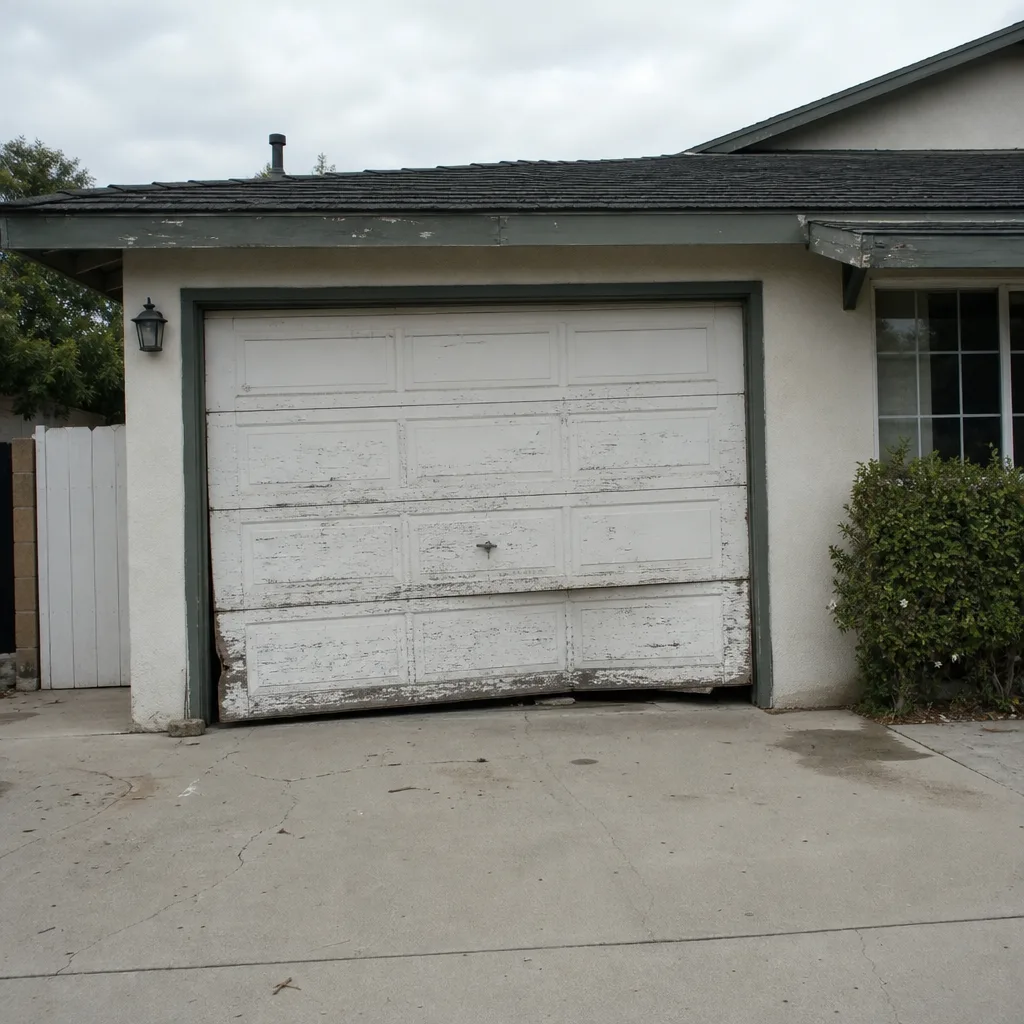 Before
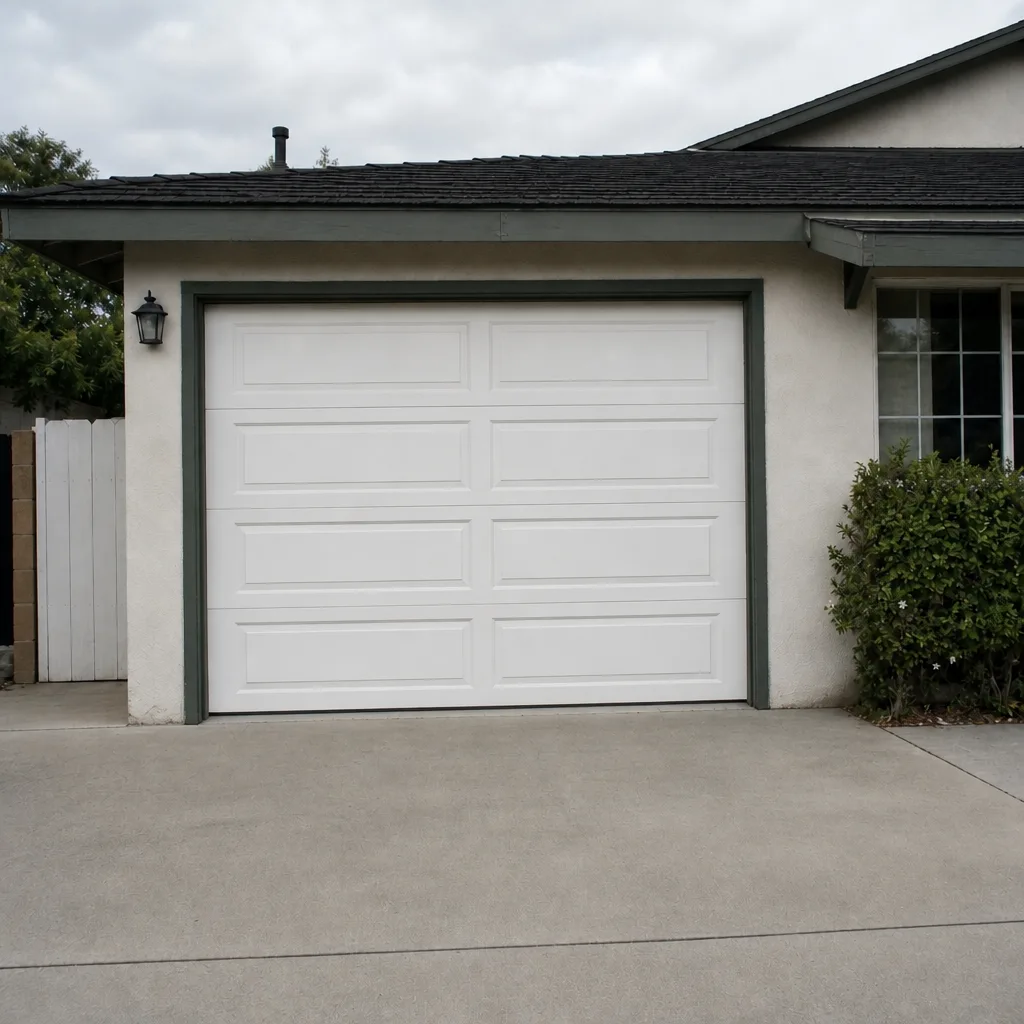 After
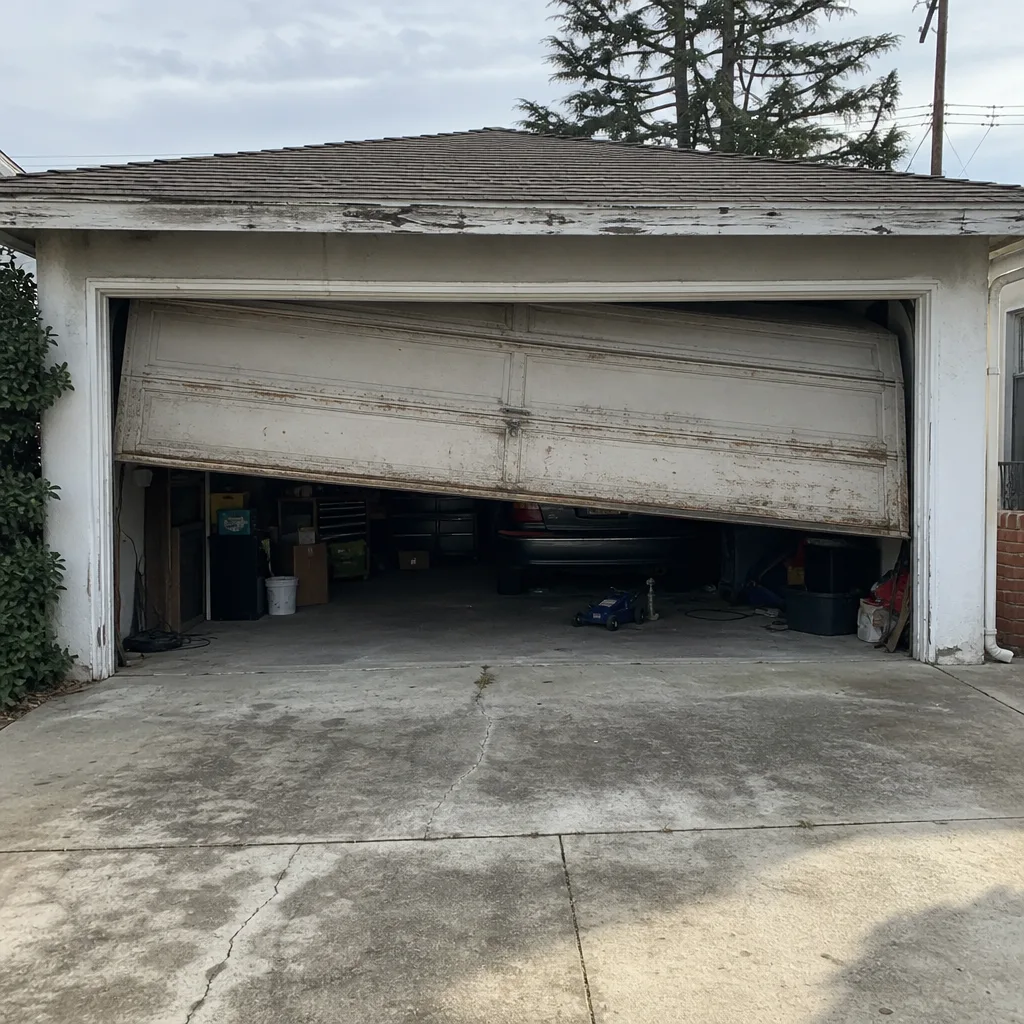 Before
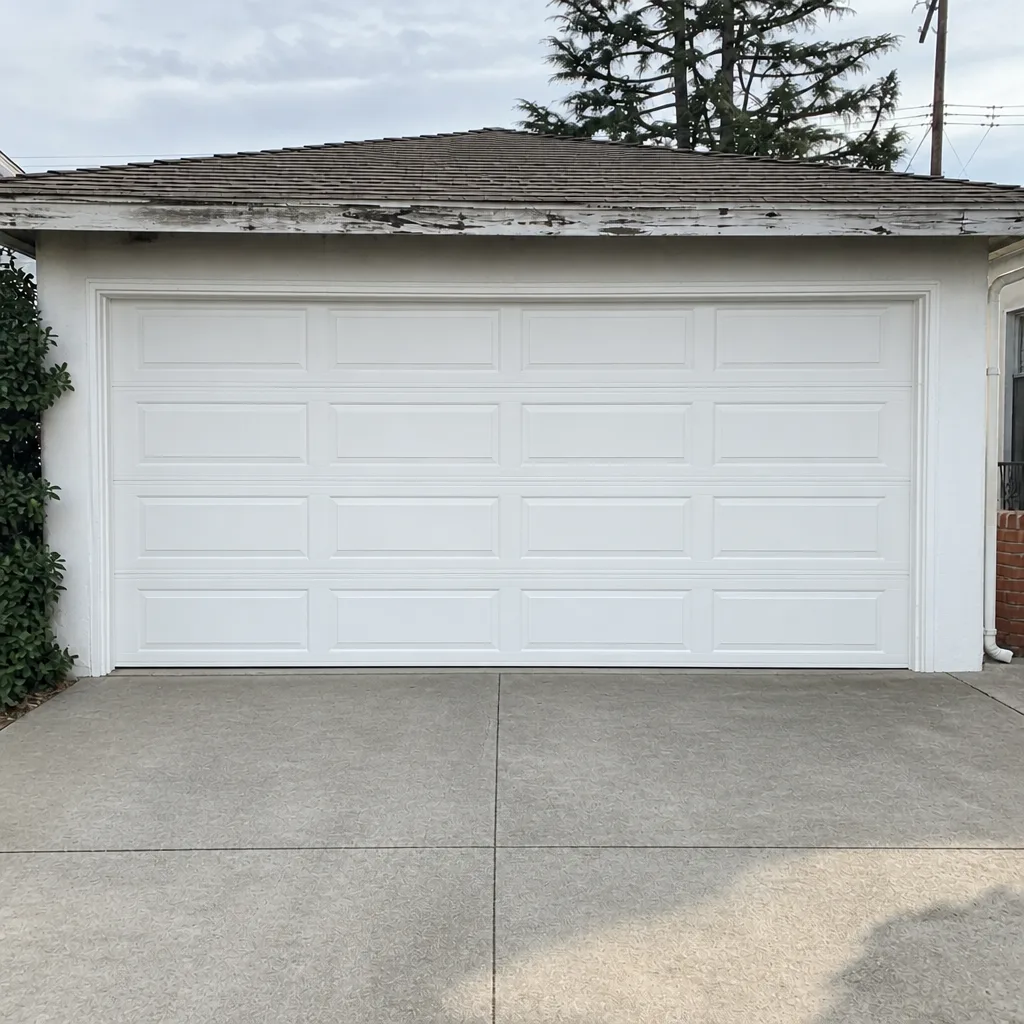 After
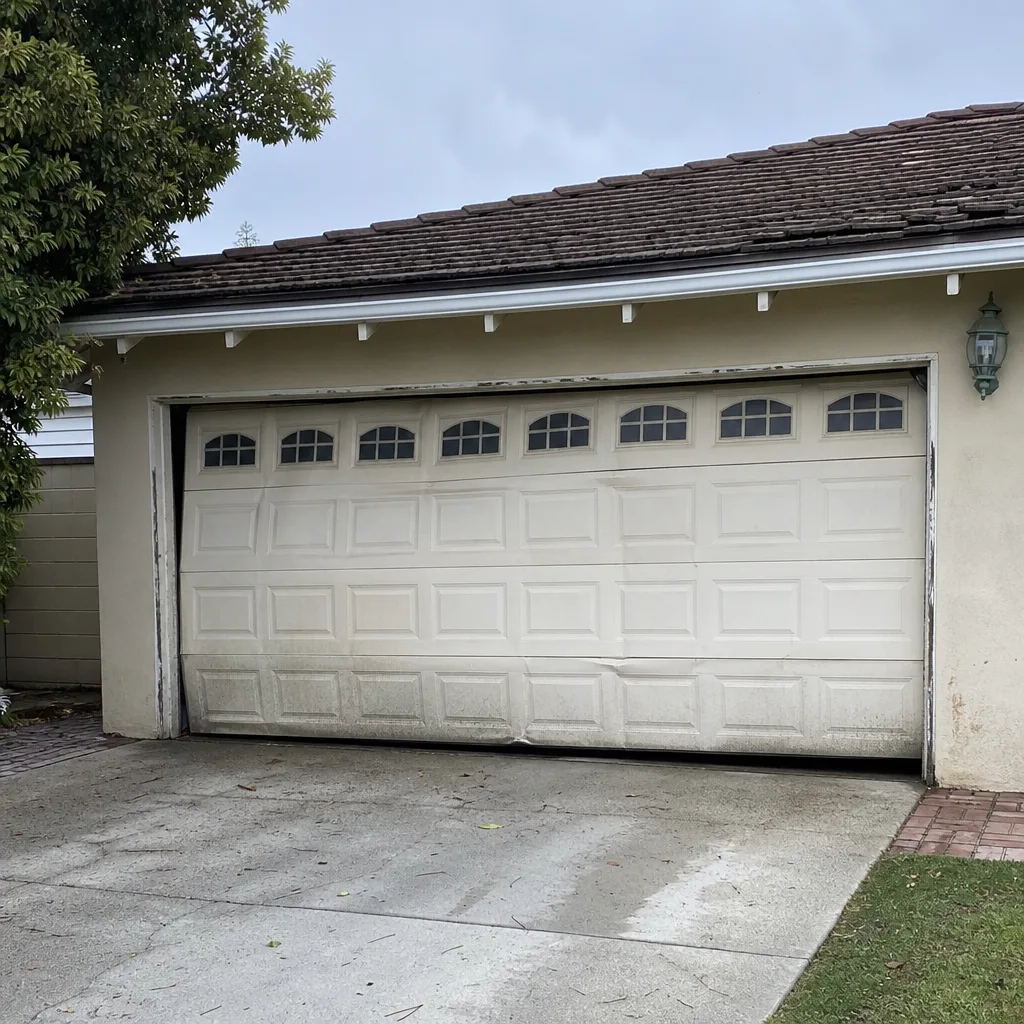 Before
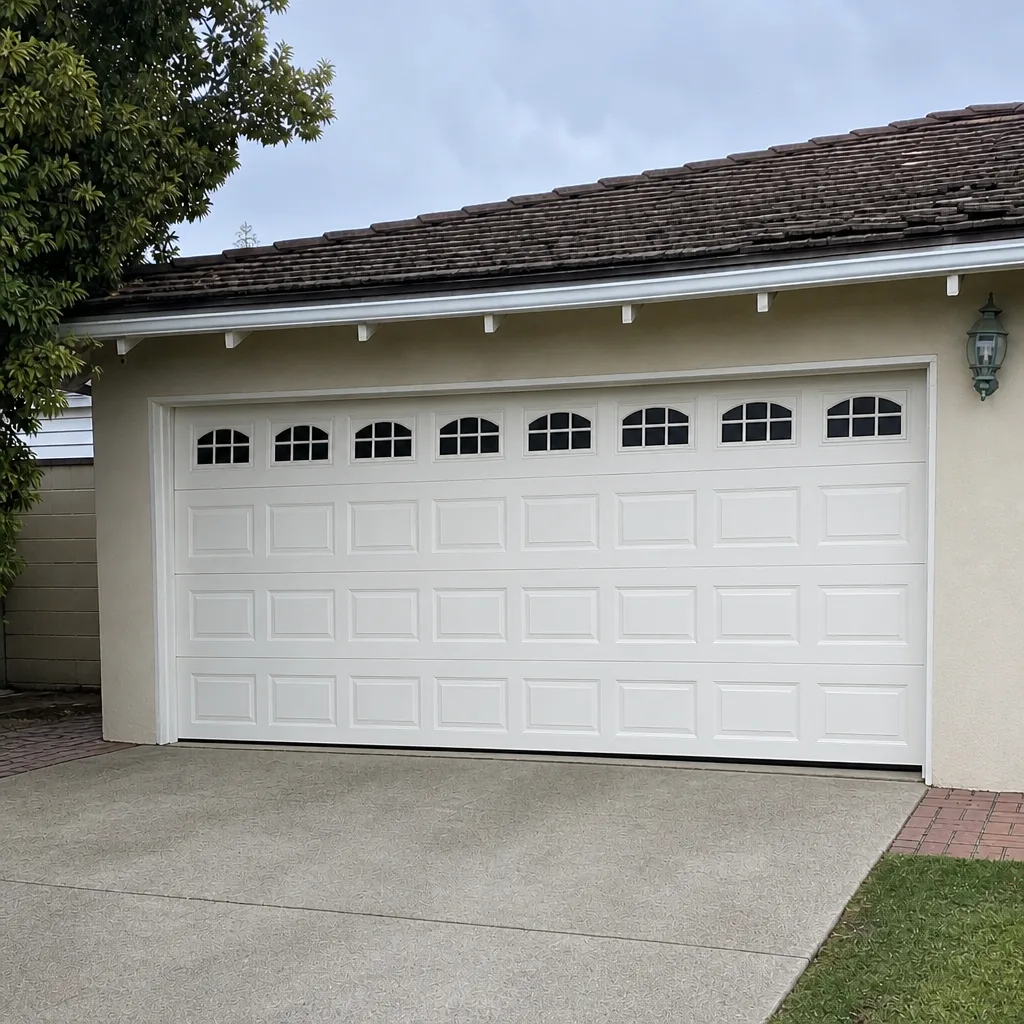 After