
Last updated November 4, 2026
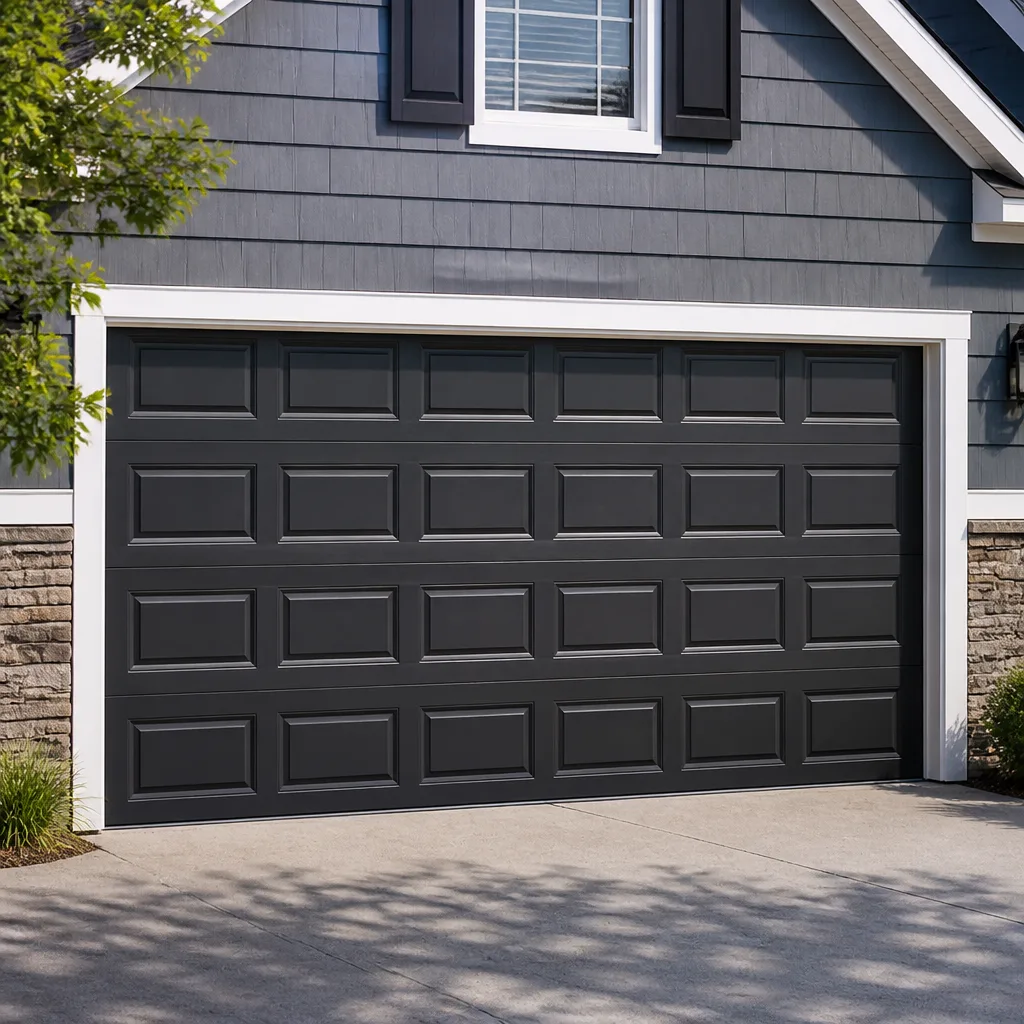 Raised-panel steel
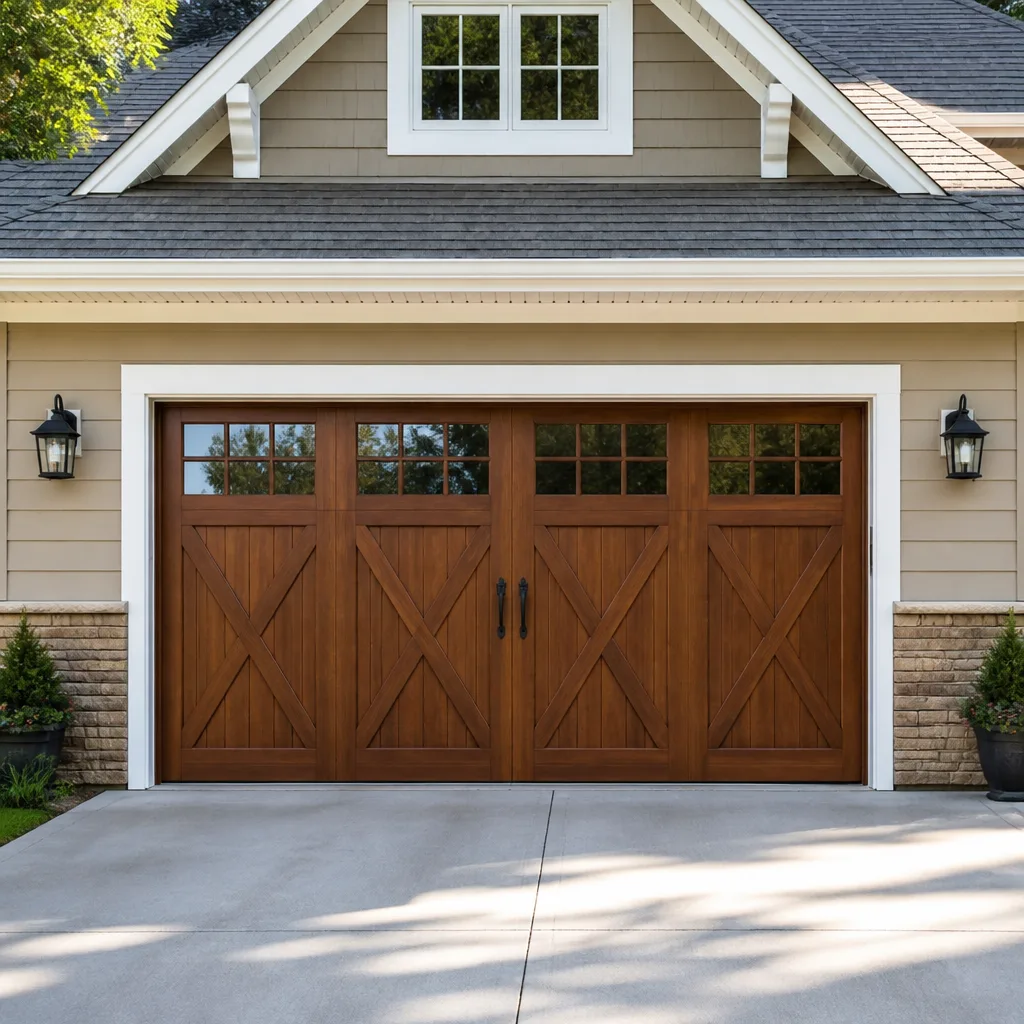 Carriage house
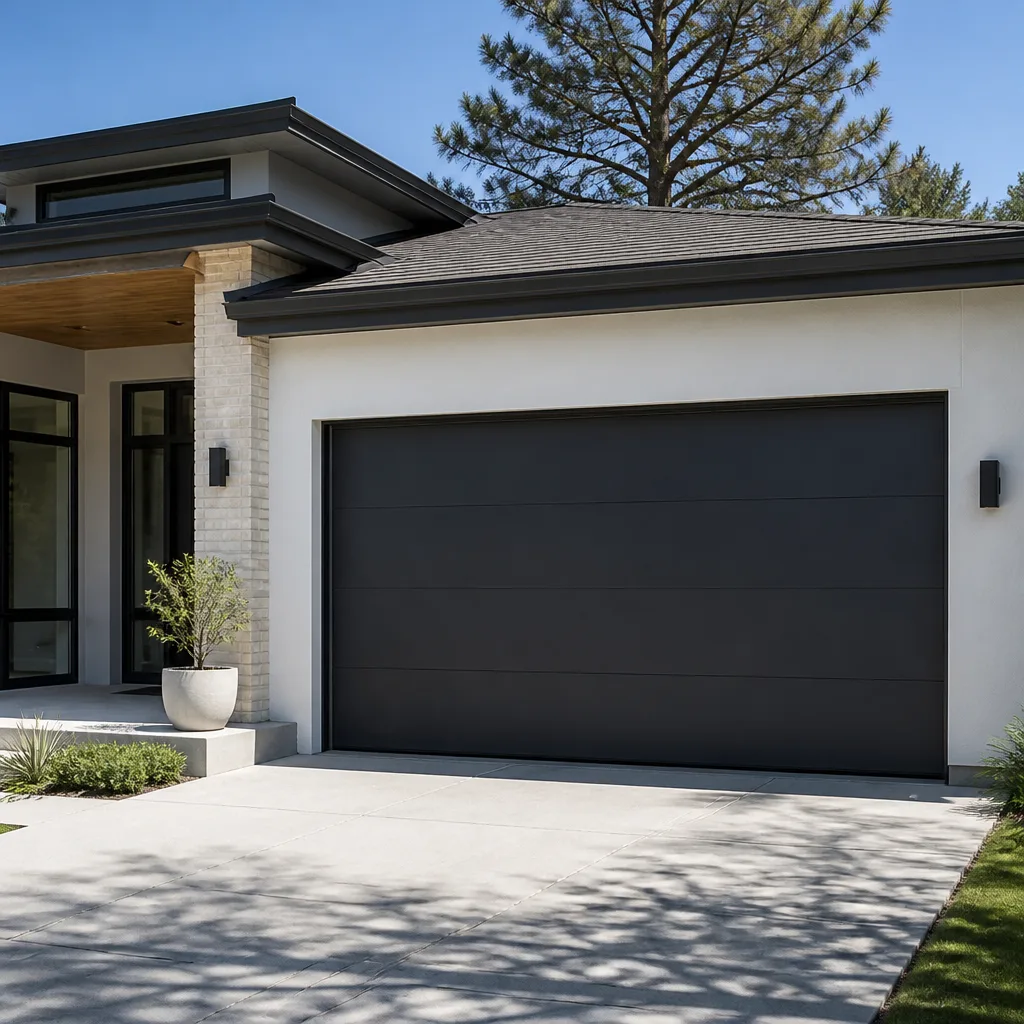 Modern flush
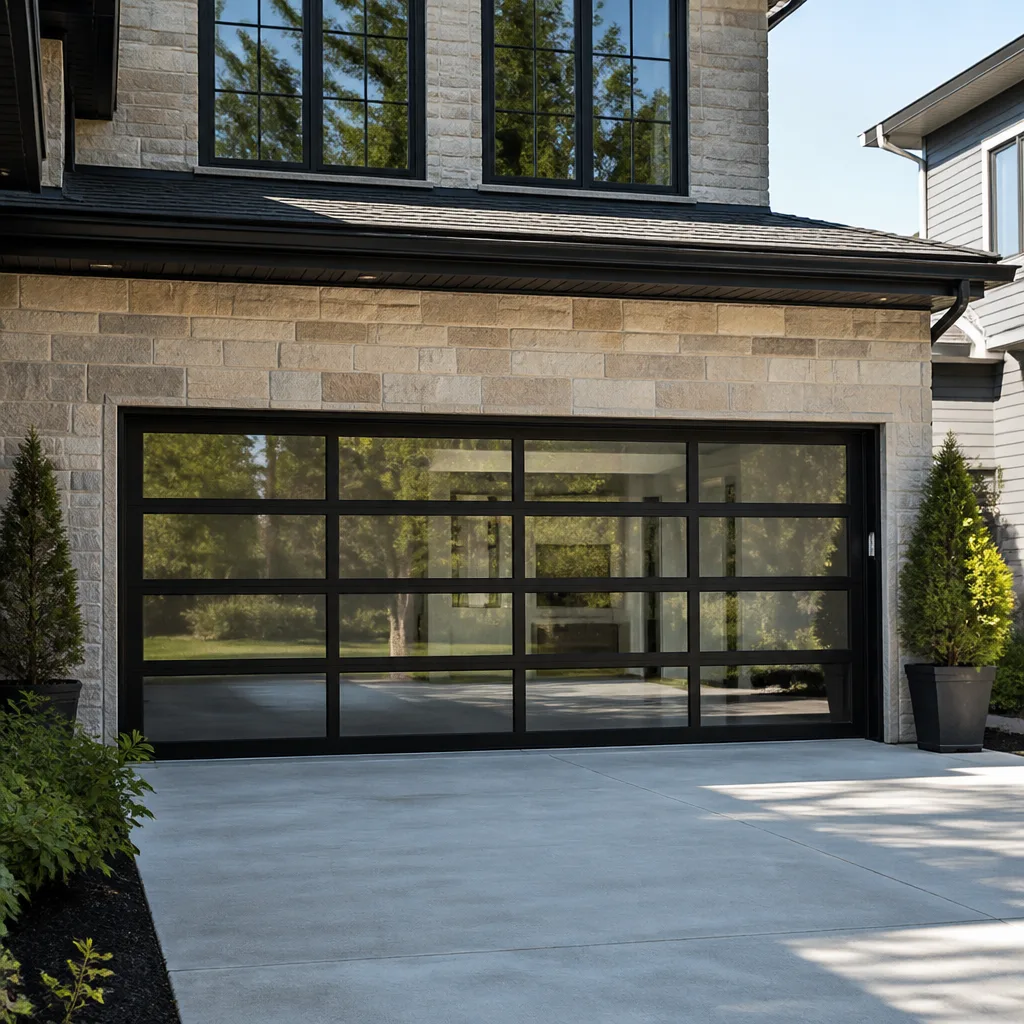 Full-view glass
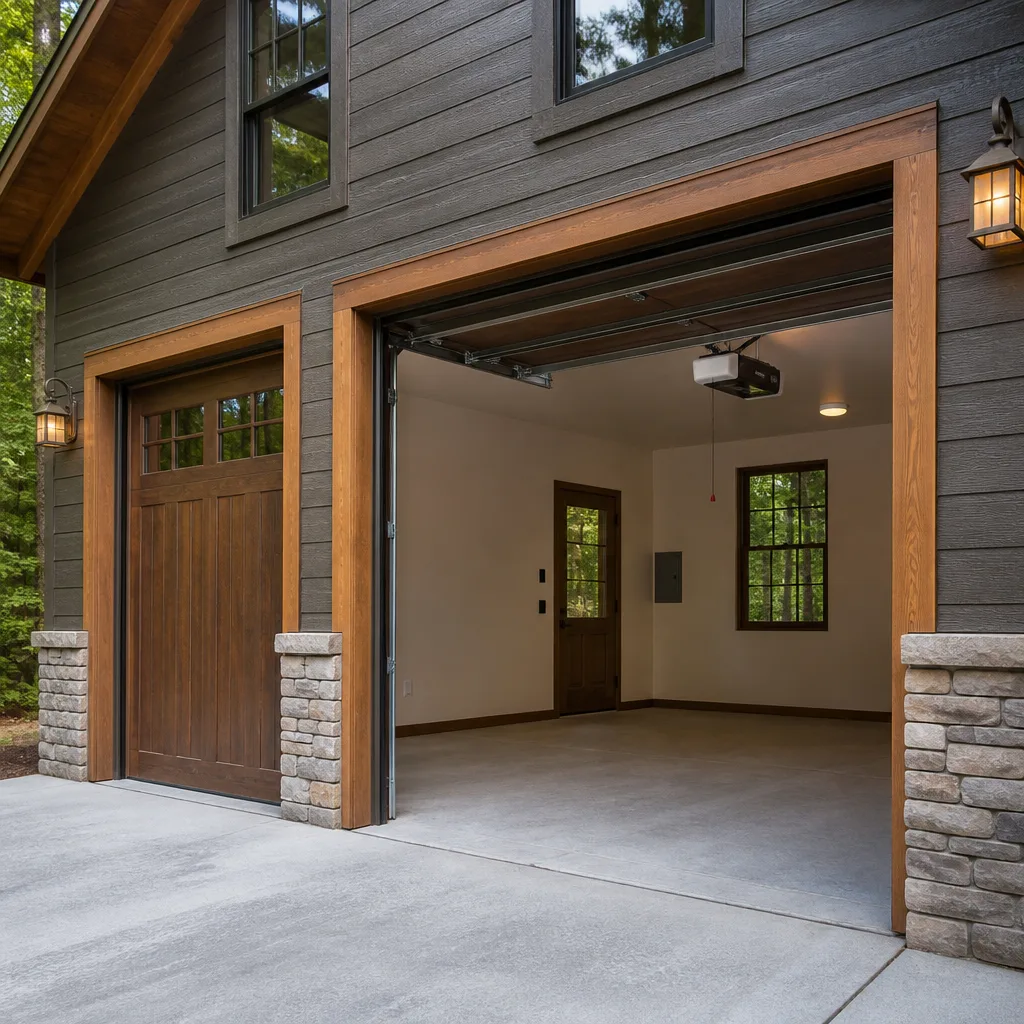 LiftMaster openers
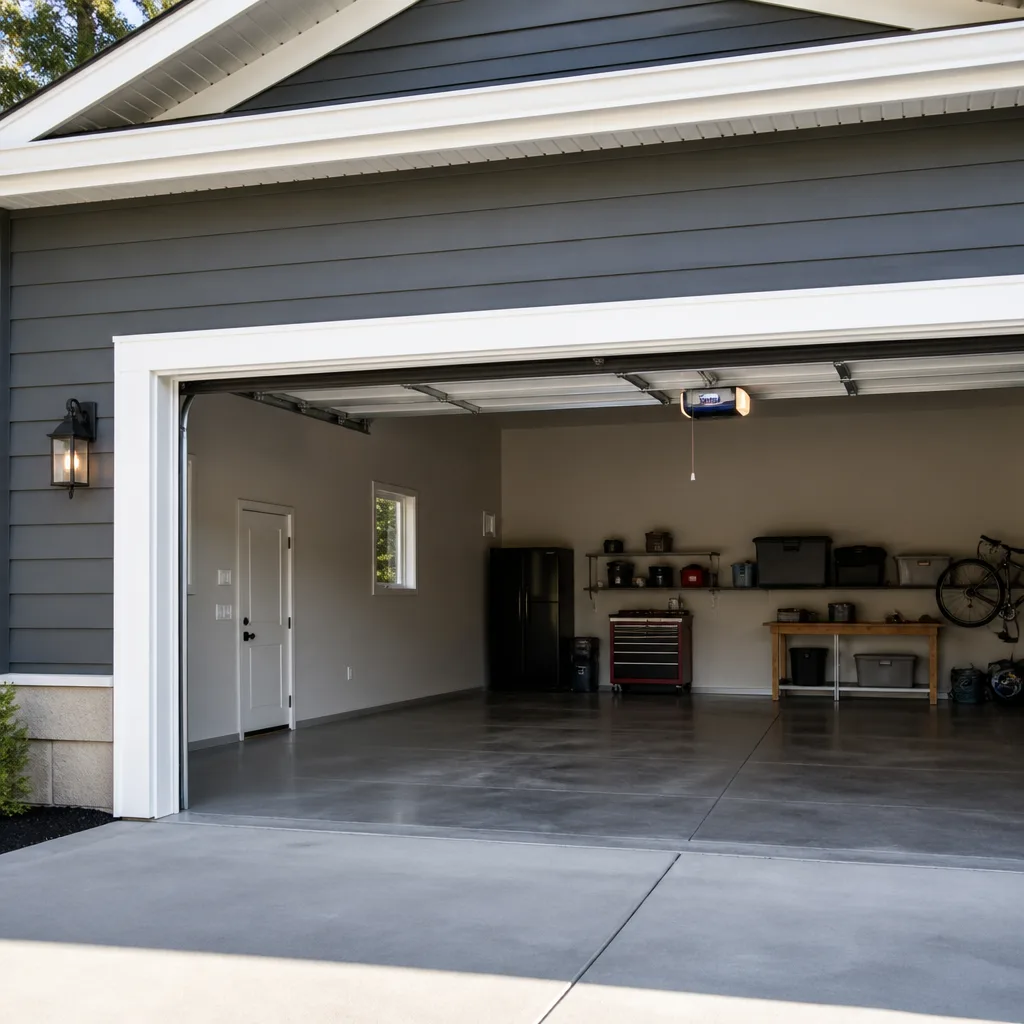 Chamberlain openers
Full 25-point door and opener safety check with every visit - springs, cables, rollers, tracks, and your LiftMaster or Chamberlain opener included
You get a price before we start. It does not change when the truck arrives.
Get your free estimateChoosing the Right Garage Door Brand: A Buyer’s Guide for Arcadia
The “best” garage door brand for an Arcadia homeowner is rarely the one with the flashiest showroom display. It’s the one whose replacement panels, springs, and hardware a local technician can actually source within 24 hours. A door that looks stunning on day one but takes two weeks to get parts for becomes a liability the moment a delivery truck clips it or a spring gives out on a Sunday afternoon. This guide walks through what actually matters when choosing a garage door brand in Arcadia: parts availability, how the door handles our sun, and whether it works with the opener you already own.
Styles & brands we work with
- Raised-panel steel
- Carriage house
- Modern flush
- Full-view glass
- LiftMaster openers
- Chamberlain openers
Quick Answer
For most Arcadia homes, Clopay and Amarr offer the strongest combination of UV-resistant panel coatings, reliable parts availability through local distributors, and a wide range of insulation options suited to inland San Gabriel Valley heat. Wayne Dalton and CHI are also solid choices, but their parts availability varies more depending on the specific model. Whatever brand you choose, the door should be serviced by a technician who works on multiple brands, not one locked into a single product line.
Table of Contents
- The Real Criteria: What Actually Determines a Good Brand in Arcadia
- Side-by-Side: Clopay, Amarr, Wayne Dalton, and CHI
- Why Opener and Door Brand Compatibility Matters
- Steel Gauge Explained: What 24-Gauge vs. 25-Gauge Means in Arcadia
- Matching Panel Styles to Arcadia’s Architectural Character
- What ‘Lifetime Warranty’ Actually Means for Each Major Brand
- Insulation R-Value vs. Price: What Arcadia Homeowners Should Pay For
- Common Mistakes to Avoid
- When to Call a Professional
- Frequently Asked Questions
- The Bottom Line
The Real Criteria: What Actually Determines a Good Brand in Arcadia
Most brand guides rate garage doors on aesthetics first, then warranty language, then price. That’s backwards for a city like Arcadia, where summer temperatures routinely climb past 90 degrees and the sun beats down on south-facing doors for hours every day. You’re not just buying a door. You’re buying a UV exposure surface, a thermal barrier for an attached garage, and a mechanical system that will cycle up and down roughly 1,500 times a year.
Here’s what we’ve learned matters most for Arcadia homes after working on doors throughout the San Gabriel Valley:
Parts availability is the silent dealbreaker. Every garage door brand sells thousands of doors. Not every brand keeps deep local distribution for replacement panels, specific spring sets, and proprietary hardware. When a panel gets dented by a basketball or the neighbor’s trash bin, the question isn’t whether the brand will honor the warranty. It’s how fast a local supplier can get the replacement panel to your installer. Brands with strong Southern California distribution networks win this test.
UV coating quality determines how the door looks in year five, not year one. Cheaper doors often use thinner paint or powder coat systems that fade unevenly in direct sun. A door that faces west or south in Arcadia gets more cumulative UV exposure than most coastal doors get in twice the time. You want a brand that specifies its finish system clearly: baked-on polyester or polyurethane coatings hold up better than basic paint.
Opener compatibility is decided at purchase, not installation. Many homeowners assume any door works with any opener. It mostly does, but weight matters. A heavy wood-look door paired with an opener sized for a lightweight steel door means premature motor wear and stripped gears. Brand-specific door weights and balance specs determine whether your existing opener, whether it’s a LiftMaster, Chamberlain, or Genie, will handle the load.
Side-by-Side: Clopay, Amarr, Wayne Dalton, and CHI
Instead of ranking these brands in a vague “best to worst” list, we evaluate them on the three factors that actually affect an Arcadia homeowner over the life of the door: UV coating durability, panel replacement availability, and insulation value relative to price.
Clopay: Strong Selection, Good Parts Network
Clopay has one of the broadest product lines in the industry, from budget steel pan doors to custom wood-look carriage designs. For Arcadia, the standout is the finish durability on Clopay’s mid-tier and up doors. Their factory-applied paint systems use multiple coats and are tested for fade resistance. We’ve replaced individual Clopay panels on older doors without issue because their distributor network in Southern California is deep. Parts typically arrive within a day or two, not weeks.
Tradeoff: Budget Clopay models use thinner steel than their premium lines. If you’re looking at the lowest price point from Clopay, compare the gauge against similarly priced Amarr doors before deciding.
Amarr: Consistent Quality, Good Warranty Structure
Amarr positions itself as the value-leader among premium brands. Their steel doors are consistently well-finished, and their coating systems hold up well under Southern California sun. Amarr’s distributor network is strong in the SGV, which means replacement sections and hardware are usually available quickly. Their Classica collection is popular in Arcadia because it mimics wood grain convincingly without the maintenance of real wood.
Tradeoff: Amarr’s entry-level doors can feel lighter than Clopay’s equivalent models. The steel gauge and insulation spec vary by door line, so check the specifics rather than assuming all Amarr doors are built the same.
Wayne Dalton: Solid Product, Check the Parts Chain
Wayne Dalton has been manufacturing garage doors for decades and builds a reliable product. Their TorqueMaster spring system is a distinct design that sits inside the tube rather than exposed on the shaft. It’s a clever engineering approach, but it means spring replacement requires brand-specific parts and a technician who knows the system. In Arcadia, Wayne Dalton parts availability is generally good, but not as fast as Clopay or Amarr for some less common models. If you have a Wayne Dalton door with a TorqueMaster system, ask any technician whether they service that specific design before booking.
Tradeoff: Proprietary hardware. The door itself is well-built, but you’re more tied to Wayne Dalton’s parts ecosystem than with some other brands.
CHI: Overhead Door’s House Brand, Dependable but Less Flashy
CHI builds doors under the Overhead Door umbrella and has a reputation for straightforward, durable products. Their finish quality is good, and their Accents line offers decorative hardware and window options that fit Arcadia’s ranch and traditional homes. CHI’s parts distribution is adequate but more concentrated through Overhead Door dealers, so independent service companies may have slightly longer lead times on certain replacement parts.
Tradeoff: Fewer dealers and a smaller local parts footprint than the bigger three. The doors are dependable, but if you value fastest-possible repairs down the road, this is a consideration.
Why Opener and Door Brand Compatibility Matters
A garage door opener doesn’t know what brand the door is. It knows how much the door weighs and how smoothly it travels. But door weight varies significantly based on the brand, the model, the insulation level, and whether you’ve added windows or decorative hardware. That’s where opener compatibility issues creep in.
Here’s the compatibility question sequence you should run before buying a door:
- What is the current opener’s horsepower? A half-hp opener is designed for a lightweight, uninsulated single door. If you’re replacing that door with a heavier insulated model or adding windows, the opener may struggle. You’ll hear it: sluggish starts, groaning during mid-travel, and faster motor wear.
- Is the opener a belt-drive, chain-drive, or wall-mount? Belt and chain drives have similar lifting capacity for a given horsepower. Wall-mount openers like the LiftMaster 8500 series handle door balance differently and require the door to be properly spring-balanced at all times. A heavier new door on a marginal spring setup will trip the opener’s force settings more often.
- What is the door’s actual installed weight? A double garage door with a steel back and polyurethane insulation can weigh 250 to 350 pounds or more. A wood-look overlay door can hit 400. The opener’s spec sheet lists a maximum door weight. We see problems most often when homeowners upgrade from a basic pan door to an insulated or wood-look door without checking whether the existing opener can handle the new weight.
This is exactly why garage door opener repair calls in Arcadia so often follow a door replacement. The old opener wasn’t spec’d for the new door. We work on LiftMaster, Chamberlain, and Genie openers daily, and the failure patterns are consistent: mismatched weight, unbalanced springs, or force settings that were never adjusted after a heavier door went in. Any reputable installer should test the full open-close cycle with the new door and recalibrate opener force settings before leaving. If they don’t mention it, ask.
Steel Gauge Explained: What 24-Gauge vs. 25-Gauge Means in Arcadia
Steel gauge is one of the most misunderstood specs in garage door shopping. Lower numbers mean thicker steel. A 24-gauge door uses thicker steel than a 25-gauge door. That sounds backwards if you’re used to thinking “bigger number equals more.” It’s the opposite.
So what’s the practical difference for an Arcadia homeowner? Thin steel dents more easily. And in a city where many homes have street parking and driveways that see regular traffic, dent resistance isn’t theoretical. A stray basketball, a bike handlebar, a ladder stored against the inside of the door. These are everyday sources of garage door dents.
Here’s the plain-language breakdown:
- 27-gauge or thinner: Entry-level pan doors. Light, inexpensive, and easy to dent. Fine for a rental or a garage that rarely sees activity, but not the best choice for a busy family garage.
- 25-gauge: The most common middle ground. Good balance of weight and dent resistance for most Arcadia homes. Most standard raised-panel steel doors in the $800 to $1,400 range use 25-gauge steel.
- 24-gauge: A meaningful step up in dent resistance. Heavier, but the door feels more solid when you knock on it. You’ll find 24-gauge steel on pricier doors with better insulation packages.
- 22-gauge or thicker: Commercial-grade or high-end residential. More steel means more weight, which means heavier-duty springs and possibly an opener upgrade.
One note: some manufacturers list the front panel gauge but use thinner steel on the back or interior. Ask for the gauge on both skins. A door with 25-gauge front and back is more consistent than one with 25-gauge front and 28-gauge back, even though the spec sheet looks the same at a glance.
Matching Panel Styles to Arcadia’s Architectural Character
Arcadia’s housing stock spans mid-century ranch homes, Spanish-influenced designs, and larger traditional builds in neighborhoods north of the 210. The right garage door should work with the home’s existing lines, not fight them. But architectural matching shouldn’t override structural specs.
Here’s how we think about panel selection by common Arcadia home styles:
Mid-century ranch and modern: Clean lines, horizontal or vertical. A flush panel door or a simple recessed panel without heavy decorative hardware keeps the look consistent. Clopay’s modern flush lines and Amarr’s similar offerings fit well. Avoid ornate carriage-house styling unless the home already has that vocabulary.
Spanish or Mediterranean influence: These homes benefit from doors with arched window options and warmer tones. A wood-look steel door from Amarr’s Classica or Clopay’s Canyon Ridge line gives the texture without the maintenance of real wood. If the budget allows, an overlay door with a deeper grain pattern reads as intentional rather than applied.
Traditional or large estate homes: Full carriage-house styling with decorative hinges and handles works here. Wayne Dalton and Clopay both build convincing carriage doors at several price points.
Whatever the style, don’t let the visuals force you into a door with the wrong structural specs for your situation. A beautiful wood-look door that’s too heavy for your existing opener, or that only comes in a low-R-value option for a garage that gets afternoon sun, is a compromise you’ll feel every summer.
What ‘Lifetime Warranty’ Actually Means for Each Major Brand
Every garage door brand uses the phrase “lifetime warranty” somewhere in their marketing. It rarely means what homeowners assume. Let’s break down what the words actually cover and where the fine print lives.
The steel skin warranty is usually what “lifetime” means. Clopay, Amarr, Wayne Dalton, and CHI all warrant the steel door section against rust-through for as long as the original purchaser owns the home. That’s not a promise that the finish won’t fade, or that the door won’t dent. It’s a promise that rust won’t eat through the steel. In Arcadia’s dry climate, rust-through is rare anyway, which makes this particular warranty less valuable here than it would be in a humid coastal market.
Finish warranties are shorter and more conditional. Most brands warrant the paint or finish system for one to five years, with specific exclusions for fading and chalking. A door that sits in direct Arcadia sun every afternoon will fade eventually. The question is how evenly and how fast. Premium finish systems fade slower, but no finish is immune.
Hardware warranties vary by part. Springs are the key item. Most brands warrant springs for one to three years, not for the life of the door. Some offer extended spring warranties only if the door is registered within a specific window after installation, often 30 to 90 days.
Here’s the step most Arcadia homeowners skip: registration. Several brands require online product registration to activate the extended warranty terms. The paper warranty card comes in the box or with the door documentation, and the installer may mention it in passing, but then life happens. If you don’t register, you get the base warranty, not the extended one. This is one case where spending ten minutes with an online form actually pays off.
The practical takeaway: Read the warranty section for the specific door model you’re buying, not the brand’s website headline. Ask the installer what’s covered on springs and finish specifically. And register the door if the manufacturer requires it.
Insulation R-Value vs. Price: What Arcadia Homeowners Should Pay For
Insulation in a garage door serves two purposes: it keeps the garage cooler in summer and warmer in winter, and it makes the door stiffer and more dent-resistant. In Arcadia, the summer benefit matters more than the winter one.
Most attached garages in Arcadia are unconditioned space, meaning they aren’t cooled by the home’s HVAC. But an insulated garage door still matters if you use the garage for anything beyond parking: a workshop, a home gym, a laundry area, or storage that shouldn’t bake at 100 degrees during a heat wave.
Here’s the R-value reality check:
- R-0 to R-6: Uninsulated or minimally insulated. Fine for detached garages used only for parking, but an attached garage with living space above it will transfer heat.
- R-6 to R-9: A standard insulated steel door. Good balance for most Arcadia homes. The difference in garage temperature is noticeable but not dramatic.
- R-9 to R-13: Better insulation, usually polyurethane injected between steel skins. The door is also stiffer and quieter.
- R-13 and above: Premium insulation. You’ll pay meaningfully more. Unless the garage is conditioned or you’re extremely temperature-sensitive, the incremental comfort gain flattens out.
Price follows R-value but not proportionally. A mid-tier insulated door runs roughly $300 to $600 more than its uninsulated equivalent depending on size and brand. The jump from R-9 to R-13 can add $500 or more. For most Arcadia homeowners, the sweet spot is the R-6 to R-9 range: real insulation benefit without paying for specs designed for Minnesota winters.
If a brand reps quotes you an R-value without telling you the door’s thickness, ask. An R-9 door that’s 1-3/8 inches thick and an R-9 door that’s 2 inches thick are not the same product. The stated R-value is useful, but only if the comparison is apples-to-apples.
Common Mistakes to Avoid
- Buying on price per panel alone. The lowest-quoted door often has the thinnest steel, the shortest finish warranty, and the slowest parts network. Price it out by total cost over ten years, not the line item on day one.
- Assuming any opener works with any door. Heavier doors need appropriate horsepower and proper spring balance. A mismatched setup shortens the opener’s life and causes breakdowns. We see this combination behind a lot of garage door opener repair calls across the San Gabriel Valley.
- Skipping product registration. If the brand requires registration for extended warranty coverage and you don’t do it, you’ve left coverage on the table. Ten minutes, one form.
- Choosing a door style that fights the house. A heavy carriage-house door on a clean mid-century ranch looks out of place and often weighs more than the existing opener can handle.
- Ignoring the steel gauge on both skins. A 25-gauge front with a 28-gauge back is not the same as 25-gauge front and back. Ask before you buy.
- Not checking parts availability for the specific model. A brand with good overall distribution may still have slow lead times on a less common model line. Ask a local installer how quickly they can get replacement panels for the exact door you’re considering.
When to Call a Professional
Some decisions you can make from a spec sheet. Others need an experienced eye on the existing setup. Call a professional if you’re replacing a door on a home where the opener is more than five or six years old and you’re moving to a heavier door. Call if you want to know whether the existing spring system can be reused or should be replaced alongside the door. And call if you have a door currently under warranty and need it diagnosed before deciding whether to repair or replace.
Garage Door Service Arcadia offers free estimates in Arcadia for both garage door repair and new installation. We work on the brand you already have and can give you a straight answer on whether your existing opener will handle the door you want. Call (888) 495-0121.
Frequently Asked Questions
Clopay and Amarr both offer solid UV-resistant finish systems and well-insulated steel door options that hold up under San Gabriel Valley sun. The best choice depends on your budget, the door’s sun exposure, and how much insulation you need for your specific garage setup. We’re happy to walk through the tradeoffs for your specific home.
Not always. If your existing opener has enough horsepower for the new door’s weight and is still in good working condition, it can stay. The key is matching the door weight to the opener’s rated capacity. Heavier doors on marginal openers cause premature wear. A technician can test your setup before you commit to a door.
A 24-gauge door has thicker steel than a 25-gauge door, which means better dent resistance at the cost of more weight. For most Arcadia homes, 25-gauge is the standard middle ground. If your driveway sees frequent activity or you store equipment in the garage, stepping up to 24-gauge makes sense.
It depends on the brand and model. Clopay and Amarr parts generally arrive within one to three days through Southern California distributors. Wayne Dalton and CHI panels can take longer depending on the model. Before you buy a door, ask your installer how quickly they can source replacement panels for that specific model.
Most lifetime warranties cover the steel panel against rust-through for as long as you own the home. They do not cover finish fading, dents, or hardware like springs and rollers. Hardware coverage is typically one to three years, and some brands require product registration within a specific window to activate extended coverage.
Yes. A brand-agnostic garage door company works on what you already own, whether it’s a Clopay door with a LiftMaster opener or an Amarr door with a Genie opener. You don’t need to go back to the original installer or find a dealer that only handles one product line.
The Bottom Line
The best garage door brand in Arcadia is the one that balances three things: a finish that survives the sun, a parts network that gets replacements to your driveway quickly, and a weight profile your existing opener can handle. Clopay and Amarr lead on that combination for most of the homes we see, with Wayne Dalton and CHI as capable alternatives when the specific model fits. Whatever you choose, verify the steel gauge on both skins, register the warranty, and ask about panel availability before you sign. A door that can’t be fixed quickly isn’t worth the savings on installation day.
Written by the team at Garage Door Service Arcadia, serving Arcadia since 2018.
See the difference
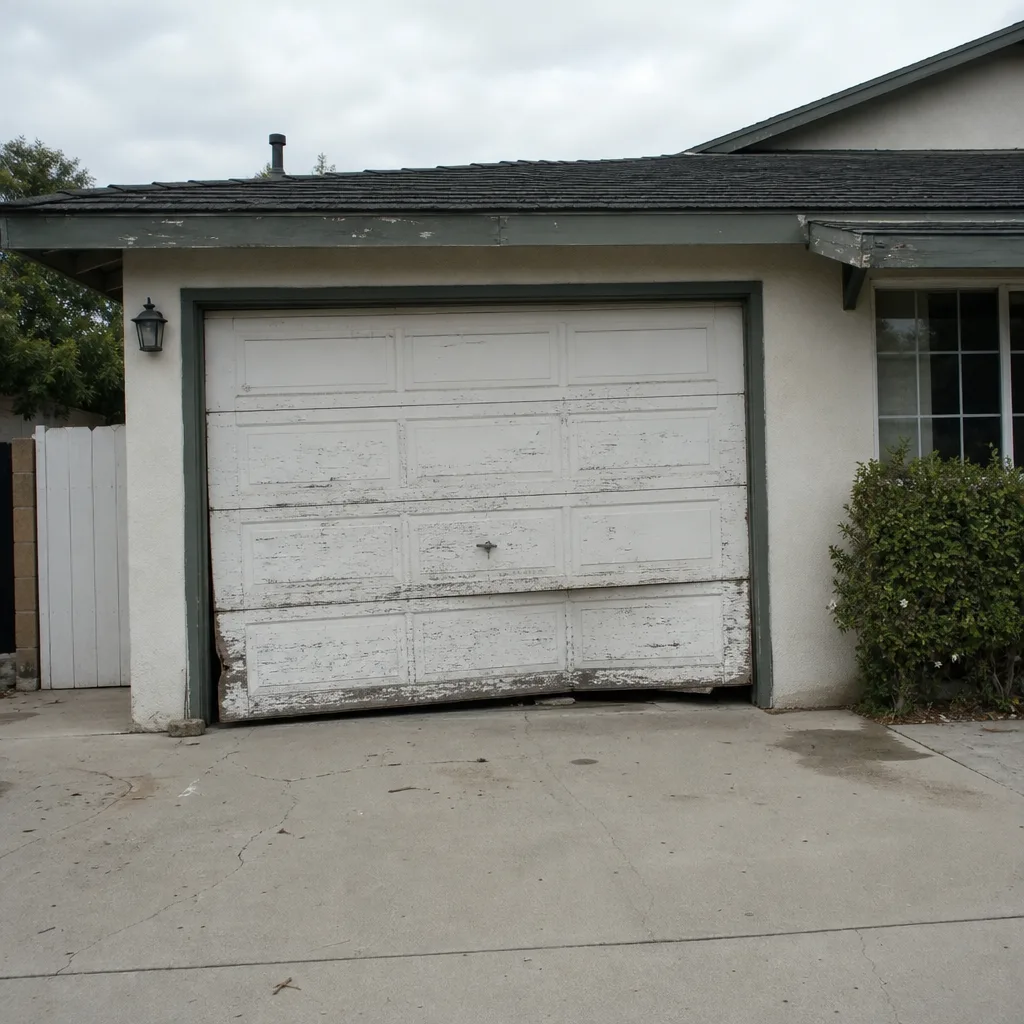 Before
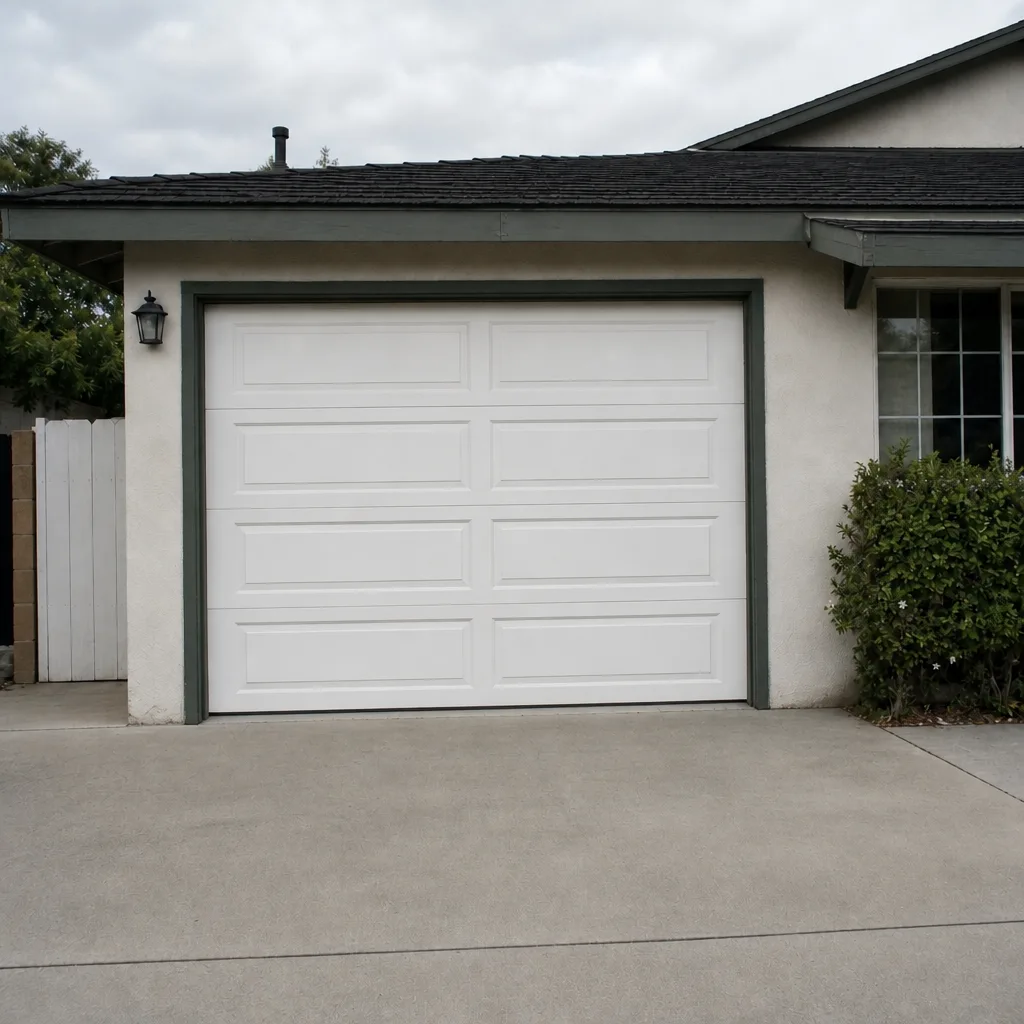 After
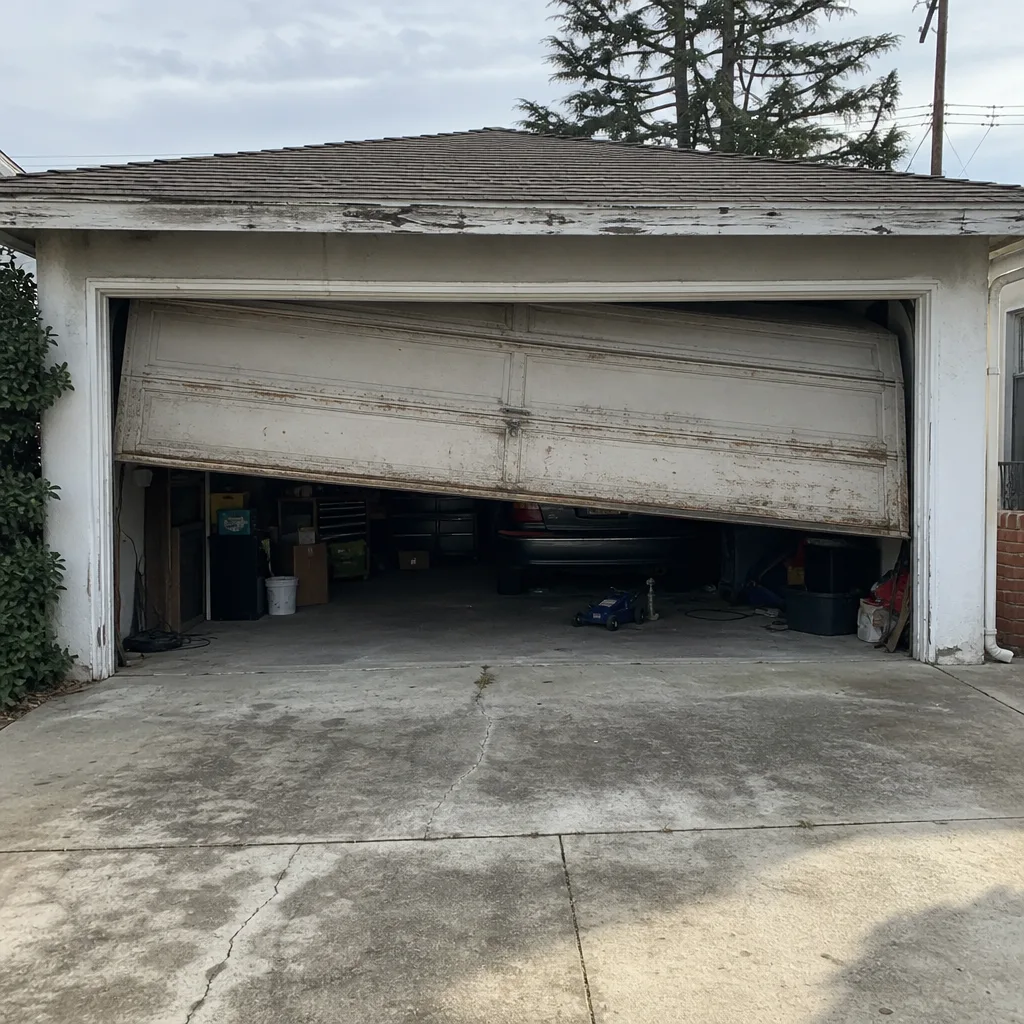 Before
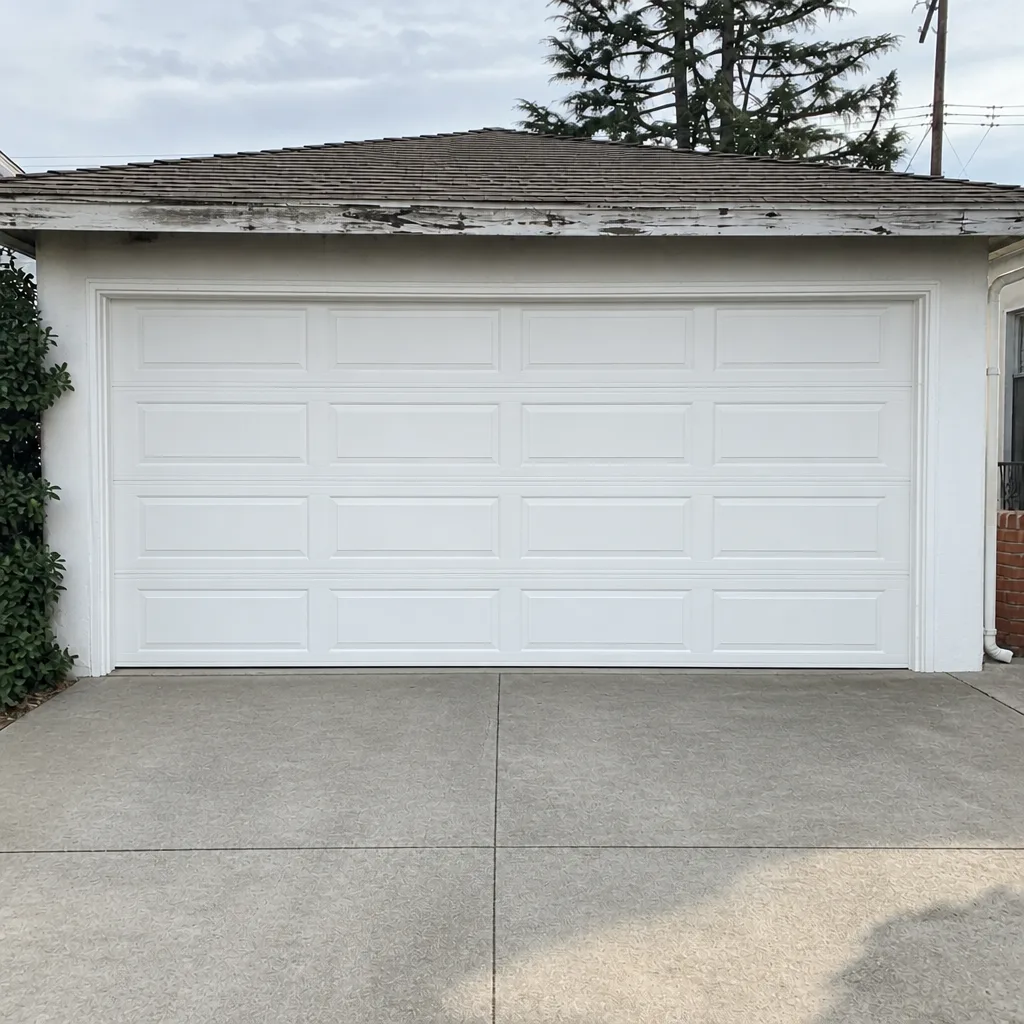 After
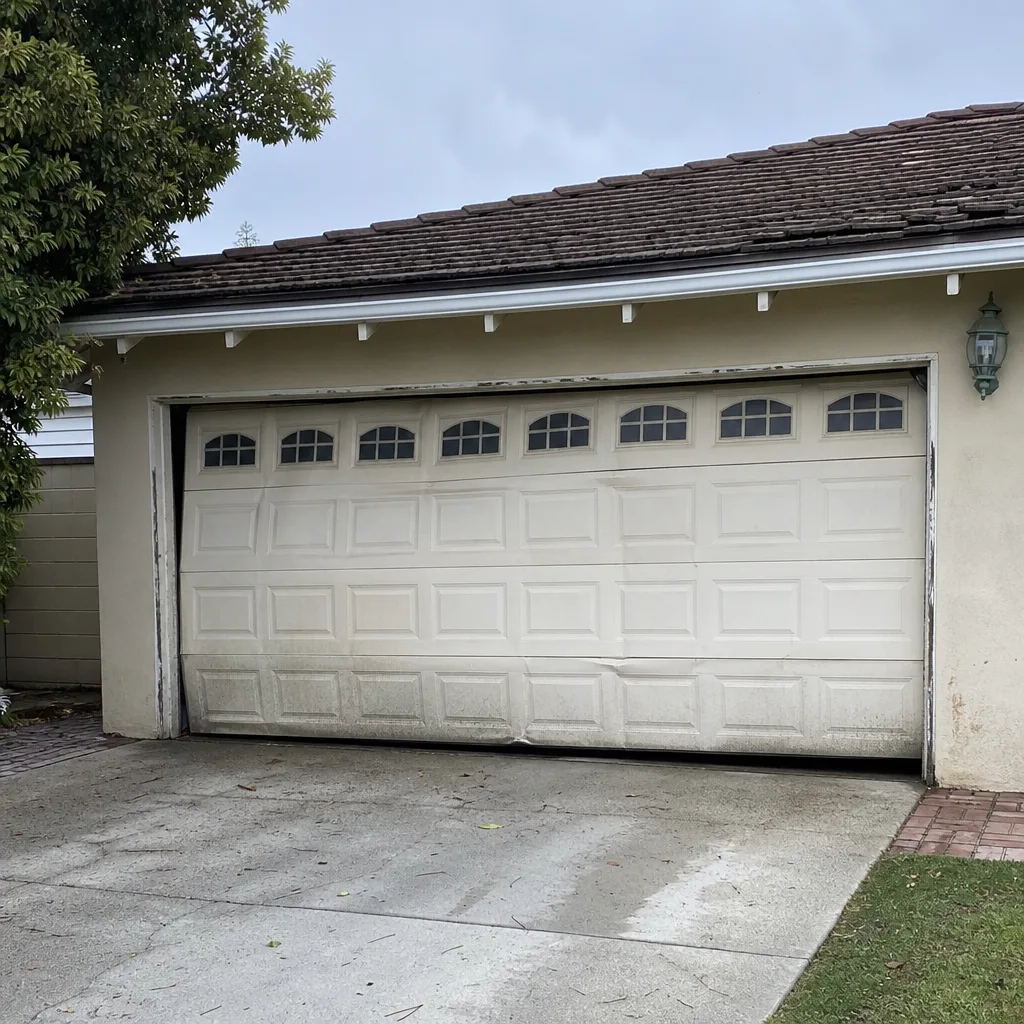 Before
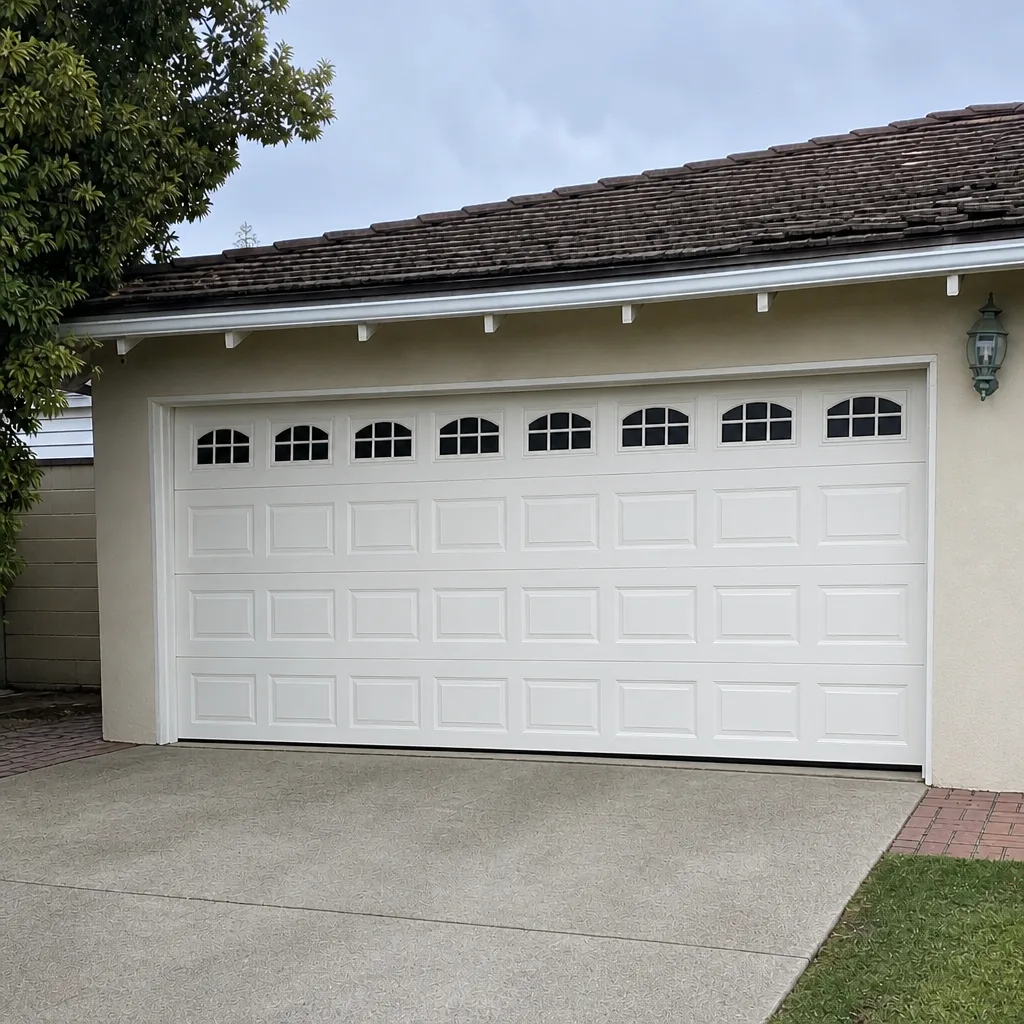 After