
Last updated November 4, 2026
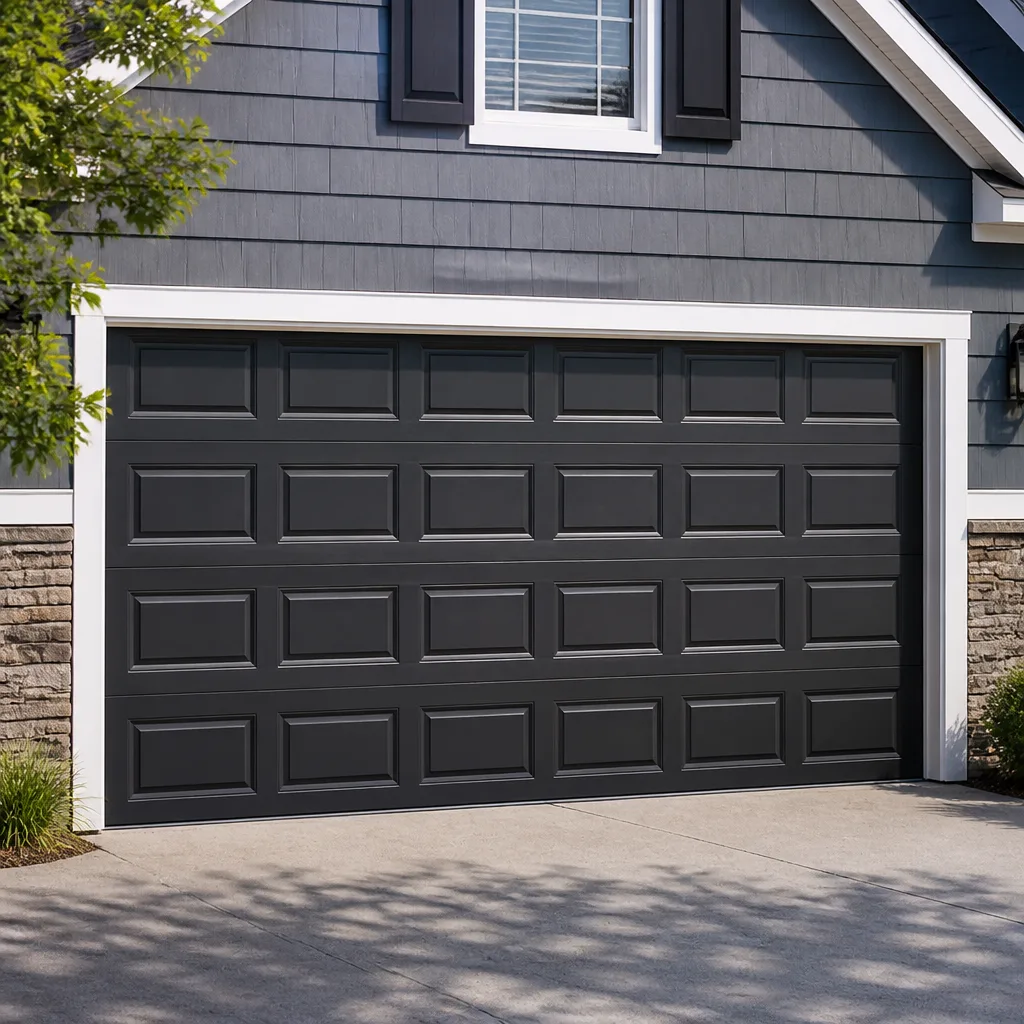 Raised-panel steel
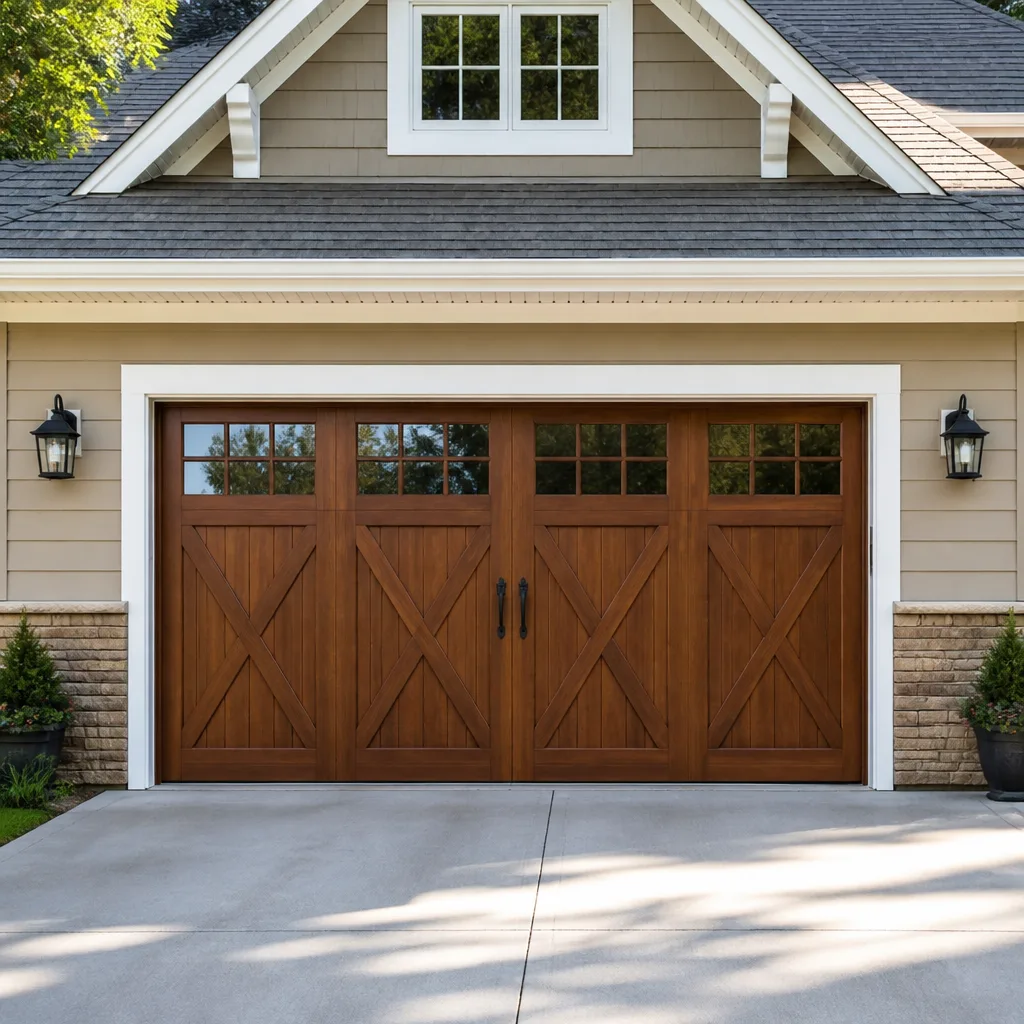 Carriage house
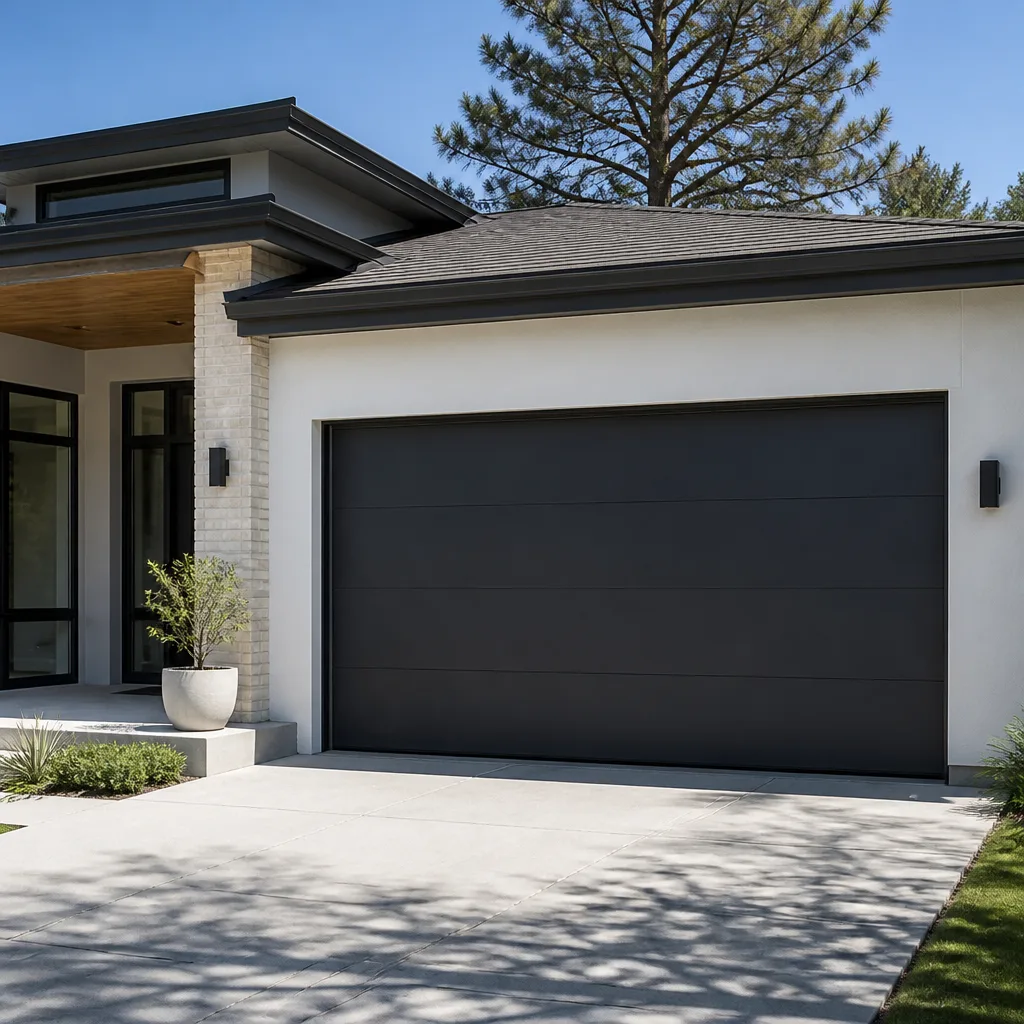 Modern flush
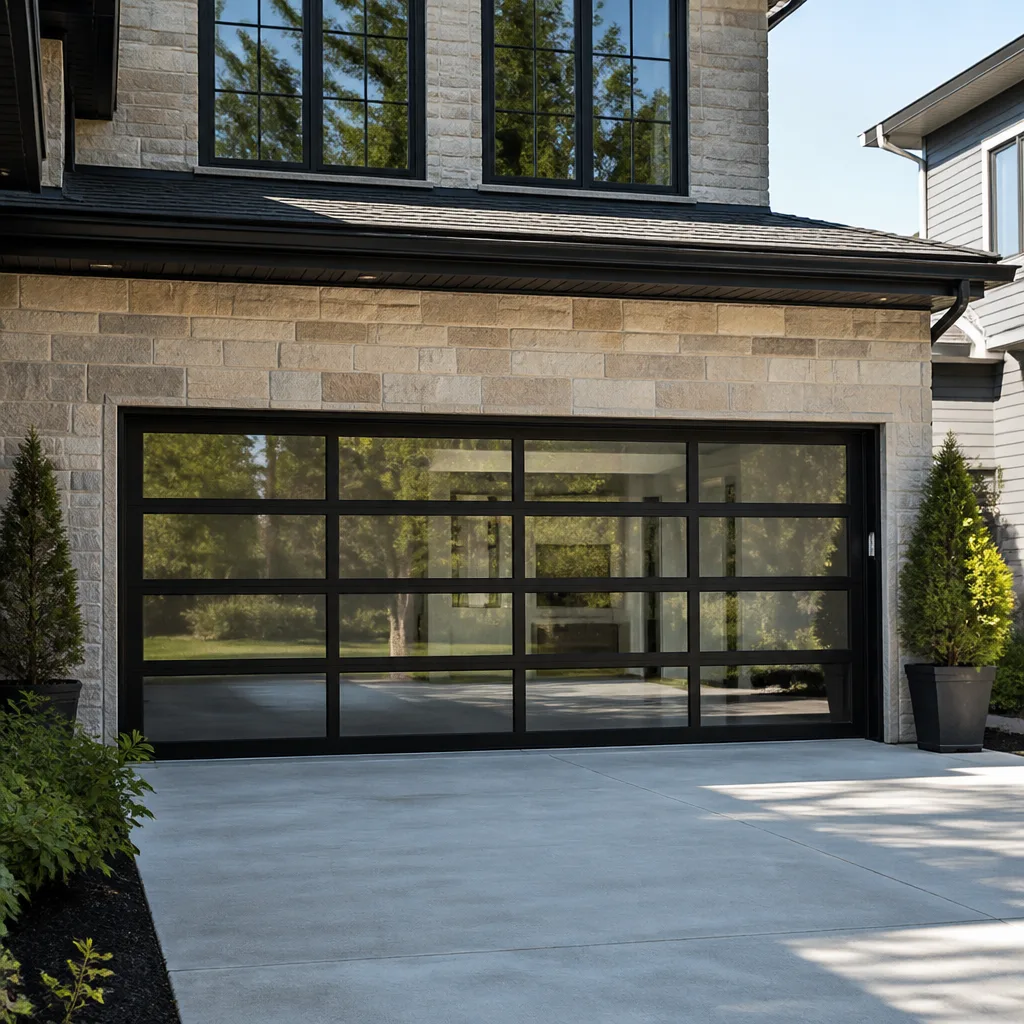 Full-view glass
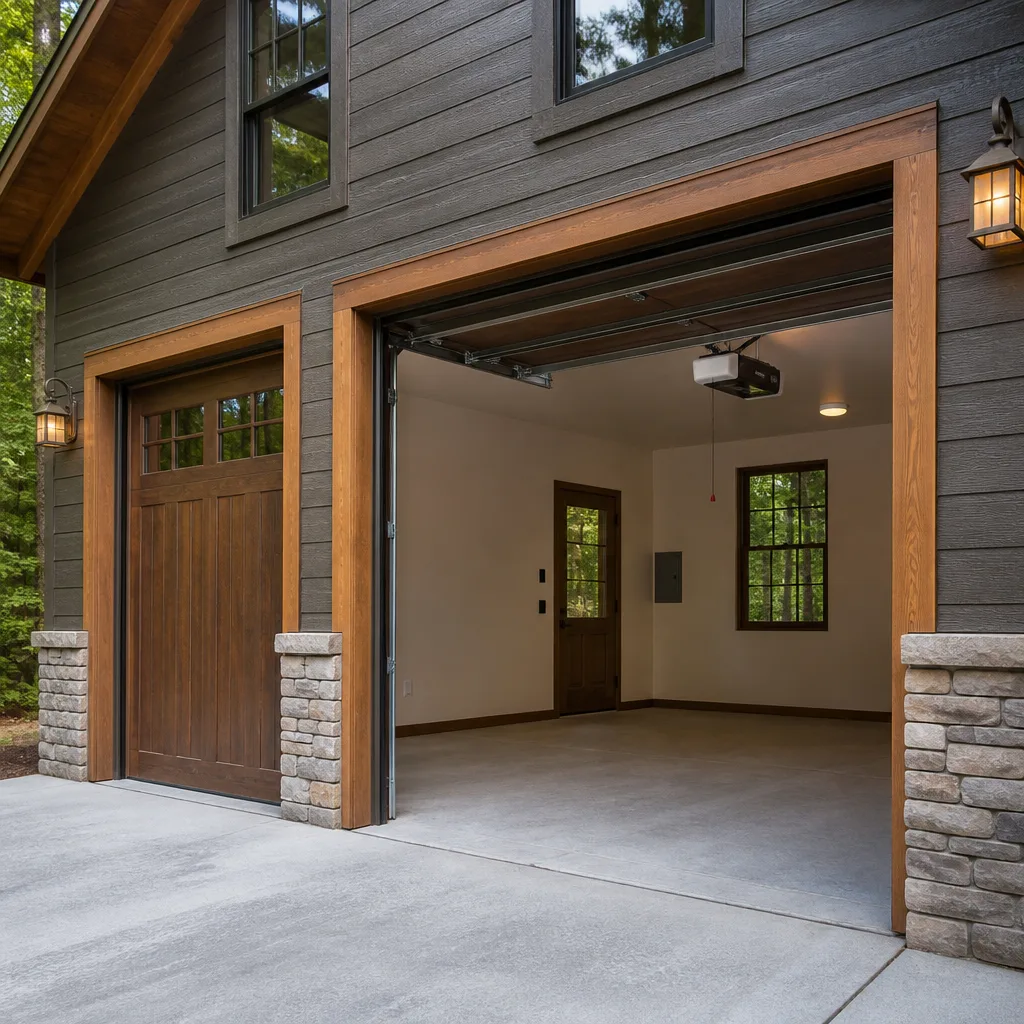 LiftMaster openers
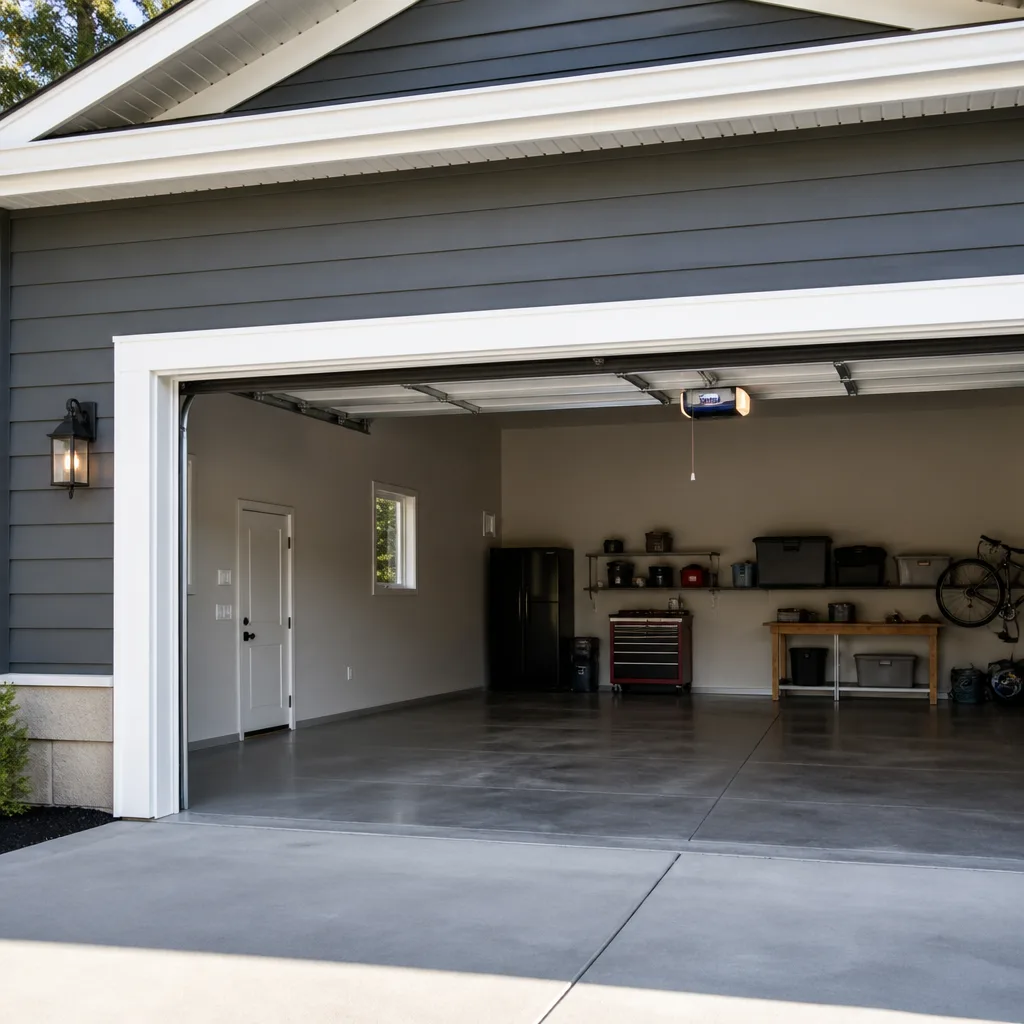 Chamberlain openers
Full 25-point door and opener safety check with every visit - springs, cables, rollers, tracks, and your LiftMaster or Chamberlain opener included
You get a price before we start. It does not change when the truck arrives.
Get your free estimateGarage Door Repair Maintenance Schedule: What to Do and When
Here’s a counterintuitive truth most homeowners in Arcadia never hear: your garage door springs are not wearing out on a calendar. They’re wearing out on a counter. A standard torsion spring is rated for roughly 10,000 cycles, and every time the door goes up and comes back down, that’s one cycle gone. The industry often assumes about four cycles a day, but the average Arcadia household uses the garage as the front door, coming and going more often, so the countdown runs faster than most national estimates. This guide gives you a real maintenance schedule built around how your door actually lives, not a generic once-a-year checklist. By the end, you’ll know exactly what to check monthly, what to lubricate quarterly, when to call in a specialist, and how to catch a failing spring weeks before it snaps.
Styles & brands we work with
- Raised-panel steel
- Carriage house
- Modern flush
- Full-view glass
- LiftMaster openers
- Chamberlain openers
Quick Answer
A garage door maintenance schedule should be split into three tiers: monthly visual and balance checks, quarterly lubrication and hardware tightening, and annual professional inspection of spring tension, cables, and weatherstripping. The schedule that matters most is cycle-based, not calendar-based: the more you use the door, the sooner the springs and rollers hit their rated lifespan. Most Arcadia homeowners need a professional spring and cable inspection every 12 to 18 months, not every two years.
Table of Contents
- Cycle-Based vs. Calendar-Based Maintenance
- Monthly Checks: The 10-Minute Visual and Balance Routine
- Quarterly Tasks: Lubrication, Hardware, and Track Care
- Annual Inspection: Springs, Cables, and Weatherstripping
- Lubricant Selection: What to Use and What to Avoid
- Arcadia-Specific Wear Factors: Dust, UV, and Santa Ana Winds
- How to Perform the Balance Test and Force Test at Home
- Common Mistakes to Avoid
- When to Call a Professional
- Frequently Asked Questions
- The Bottom Line
Cycle-Based vs. Calendar-Based Maintenance
Most maintenance guides you’ll find online are built around the calendar: do this every spring, do that every fall. That approach has a fundamental flaw, because the components inside a garage door system fail based on use, not time. A torsion spring that’s rated for 10,000 cycles will last a household that runs four cycles a day about seven years. The same spring on a door that gets twelve cycles a day runs out in a little over two years. Both are the same spring, same brand, same installation. The calendar told you nothing useful.
Your first step is to figure out your household’s actual cycle rate. Here’s how:
- Count a normal day. Pick a Tuesday or Wednesday when everyone is on their usual schedule. Count every time the door opens and every time it closes. Add them together.
- Multiply by 365. That gives you your annual cycle count. A household that opens the door twice in the morning and twice in the evening is at about 1,460 cycles a year. A household with kids, deliveries, and a home office can easily hit 3,000.
- Map that number to component lifespans. Standard torsion springs: about 10,000 cycles. Nylon rollers: roughly 7,000 to 10,000 cycles depending on load. Steel rollers with sealed bearings: often 15,000 or more. Cables: they can outlast two spring lives, but they abrade faster when the door is unbalanced.
- Write down the install date. When a spring or roller set goes in, note it. Now you know when the countdown actually starts.
In Arcadia, where the garage is the primary entrance for many homes, we consistently see cycle counts run 40% above the industry’s baseline assumption. That means a spring that a national chart says lasts seven years may be done in four or five. Our maintenance approach below is built around that reality.
If you’re not sure how old your current springs are, the best first step is a professional garage door repair inspection that checks cycle wear, not just visible damage. A spring that looks fine can be one bad cycle away from failure, and that failure usually happens mid-cycle with the door open.
Monthly Checks: The 10-Minute Visual and Balance Routine
Monthly maintenance is not about fixing anything. It’s about noticing the first sign of a problem early enough that the repair stays small. You need ten minutes, a flashlight, and the willingness to stand inside the garage with the door closed. Do this on the first weekend of every month, and do it the same way every time so you build a baseline.
Here’s the routine:
- Look at the door from inside, closed. Check that both sides sit flush against the ground. A gap on one side means the door is out of level or the floor settled. Check that the weatherstripping along the bottom touches the floor evenly.
- Open the door about halfway. Release the door from the opener using the red emergency cord, then gently move the door by hand. It should stay roughly where you put it. If it wants to fall or climb, spring tension is off, and that’s a spring problem in its early stage.
- Listen during the full open and close. A healthy door is fairly quiet. Grinding, squealing, or a rhythmic tick that follows the roller path means something is wearing. Don’t lubricate yet. Note where the sound is coming from so you can describe it accurately.
- Check the rollers. Look at each roller where it rides in the track. Cracks, flat spots, or a wobbly wheel are replacement signs. In Arcadia, fine dust from the Santa Ana winds accelerates roller bearing wear, so check more closely from September through December.
- Inspect the cables. Look at the lift cables on both sides. Frayed strands, rust spots, or a cable that’s no longer sitting neatly in the drum groove needs attention fast. Do not touch the cables. They are under constant tension.
- Check the opener’s reverse function. Place a roll of paper towels flat on the ground where the door closes. Close the door. It should reverse on contact within two seconds. If it doesn’t, call a pro. This is a safety mechanism, not a convenience.
Log any change, even a small one. A sound that appears this month and gets slightly louder next month is a clearer diagnostic trail than a sudden failure you can’t describe. If you ever see a gap between the coils of a torsion spring, that spring is broken, and the door should not be operated.
Quarterly Tasks: Lubrication, Hardware, and Track Care
Quarterly maintenance is where you actively protect the moving parts that wear fastest: the rollers, hinges, and springs. Set this on a seasonal rhythm: early January, early April, early July, early October. Each pass takes about twenty minutes and requires one can of the right lubricant, which we cover in detail below.
What to do each quarter:
- Lubricate the hinges. Every hinge pin where the door panels fold gets a small shot of white lithium grease or a silicone-based garage door lubricant. Wipe away excess. The goal is a thin film, not a coating that attracts dust.
- Lubricate the torsion springs. Spray the spring along its full length, top and sides. The spring coils move against each other as the door operates, and dry coils create friction, which generates heat and shortens spring life. A lubricated spring runs cooler and lasts longer.
- Check the track bolts. Put a wrench on the bolts that attach the vertical and horizontal tracks to the wall and ceiling. Vibration loosens them over time. Snug them by hand. Do not over-tighten.
- Inspect the weatherstripping. The bottom seal and the side seals around the door frame take direct sun and daily friction. Look for cracks, flattening, or gaps. In Arcadia’s UV exposure, a bottom seal often starts degrading noticeably after two summers.
- Test the door balance again. Same half-open test as the monthly routine. Balance that was fine last month but drifts now is the early warning that a spring is losing tension.
- Clean the photo eye lenses. The safety sensors near the floor on both sides accumulate dust and spider webs. Wipe them with a dry cloth. If the door started reversing for no reason, this is usually the fix.
One note: skip the WD-40 for everything on this list. It’s a water displacement formula and a solvent, not a lubricant for high-load moving parts. It will strip whatever lubricant remains and leave the metal dry. We’ve replaced more rusted and noisy hinge sets than we can count where the homeowner had been faithfully spraying WD-40 every few months and unknowingly making the wear worse.
Annual Inspection: Springs, Cables, and Weatherstripping
The annual professional inspection catches what the monthly and quarterly routines cannot: the internal condition of the torsion spring, the hidden wear inside the cable drums, and the true state of the door’s balance under load. Even the most diligent homeowner can’t safely assess spring tension by hand, and visual cable inspection only reveals what’s visible on the outside of the drum, not what’s happening inside the winding cone.
Our annual checklist for Arcadia homes covers:
- Spring cycle count. Based on your household’s cycle rate, we estimate how many cycles remain on the current springs and give you a straight answer about when to plan a replacement. No surprises.
- Cable inspection under tension. Cables can be fraying inside the drum where you can’t see it from the garage floor. We check the full cable length and the drum seat.
- Roller condition. Nylon rollers that are cracked or worn throw off the door’s tracking, which then puts uneven load on the springs and opener. We replace rollers in sets, never one at a time, so the door doesn’t run with mismatched wheel diameters.
- Spring tension measurement. A door that’s properly tensioned should be able to be opened by one hand and should stay wherever you leave it. We check that the spring is delivering uniform tension and not developing a weak side.
- Weatherstripping replacement. If the bottom seal is flattened, it’s not just an energy leak. It lets dust, water, and rodents in. Arcadia homes with a west-facing door have more UV damage on the bottom seal, so we check that more carefully.
- Opener force settings. Your opener’s force sensitivity should be set to reverse on a small obstruction, not a large one. We calibrate this so the safety reversal works correctly without nuisance reversals every time a leaf blows through.
The annual visit is also the right time to do a warranty check on your opener. If you have a Genie or LiftMaster unit, the motor and belt may still be under manufacturer warranty even if the labor is not. Knowing that helps you decide between repairing and replacing an opener.
Most homeowners in Arcadia need their first annual inspection within a year of moving in, especially if the previous owner left no maintenance records. Without a service history, you’re guessing at the spring age, and guessing on springs is expensive.
Lubricant Selection: What to Use and What to Avoid
Lubricant choice is where well-intentioned maintenance goes wrong most often. The wrong product feels like it’s working, because the door gets quieter for a week or two, and then the noise comes back worse. Here’s the straight answer on what belongs on each part of your door.
What to use:
- Hinges and rollers: White lithium grease or a silicone-based garage door lubricant. Both stay in place, resist dust, and won’t break down the nylon in the rollers.
- Torsion springs: A silicone or lithium spray applied to the full spring length. The lubricant needs to reach between the coils, so spray from above and let it run down.
- Tracks: Nothing. The tracks are not meant to be lubricated. Rollers ride on the track, and a greasy track collects dust and turns into a grinding paste. If the track looks dirty, wipe it with a dry cloth. If a roller is squealing against the track, the roller is bad, not dry.
- Opener rail: A light coat of white lithium grease on the rail where the trolley slides, if the manufacturer calls for it. Check the manual first. Some newer Genie and Chamberlain openers use a self-lubricating rail and need nothing.
What to avoid:
- WD-40, standard formula. It’s a degreaser, not a lubricant, and it destroys the grease already in the hinge pins. It also damages nylon rollers over time.
- Heavy greases and axle grease. They attract dust, harden in heat, and gum up the tight clearances inside hinges and roller bearings.
- Motor oil and silicone sprays meant for door seals. Both create a sticky film. Honestly, the safest practice is to buy a product that says “garage door lubricant” on the label and nothing else.
In Arcadia, dust intrusion from the Santa Ana winds is a real consideration. The wrong lubricant turns that dust into an abrasive slurry inside the roller bearings. We see more failed nylon rollers in Arcadia from dirty lubrication than from plain old age.
Arcadia-Specific Wear Factors: Dust, UV, and Santa Ana Winds
What wears out a garage door in Arcadia is not the same as what wears one out in a coastal town or a high-humidity climate. Two things dominate here: wind-driven dust and intense ultraviolet exposure.
The Santa Ana winds pick up fine grit from the mountains and move it through the valley. That fine dust gets pulled into the garage every time the door opens, and it settles on the lubricated surfaces: the roller bearings, the hinge pins, and the torsion spring coils. The dust mixes with the lubricant and becomes abrasive. A roller bearing packed with dusty grease runs hot, wears its nylon wheel unevenly, and eventually seizes or deforms. You’ll hear it as a grinding sound that gets louder when the wind season peaks in late fall.
The practical response is quarterly cleaning and lubrication, not the every-six-months schedule that works in less dusty climates. Blow out the track and roller area with compressed air first, then apply fresh lubricant. Don’t lubricate over old, contaminated grease; you’re just sealing the grit in.
UV is the second factor. Arcadia gets long, bright summers, and garage doors that face west or south catch the worst of the late-afternoon sun. The rubber and vinyl weatherstripping on those doors breaks down faster than national averages. A bottom seal that would last five years in a shaded, mild climate may show cracking, flattening, and short edge tears in three years here. The same applies to any rubber trim around the door frame and the rubber grommets where the opener antenna or sensor wires pass through.
We also see more fading and heat-related wear on the door’s exterior finish, especially on darker colors from Clopay and Amarr lines. The finish wear doesn’t affect operation, but it’s a reminder that the same sun is baking the rubber components that do affect operation. Check the bottom seal twice a year in Arcadia, once in spring and once after the hot season, even if you only replace it annually.
How to Perform the Balance Test and Force Test at Home
Two simple tests can tell you more about your door’s health than any amount of visual inspection, and both are safe for a homeowner to perform. The balance test tells you if the springs are doing their job. The force test tells you if the opener’s safety reverse is working correctly.
The balance test:
- Close the door fully. Pull the red emergency release cord hanging from the opener rail. This disconnects the door from the opener carriage.
- Lift the door by hand to roughly waist height, about half open, and let go.
- Watch what happens. A properly balanced door will stay roughly where you leave it, maybe drifting half an inch either way. If it falls toward the floor, the springs are too weak, and the opener has been compensating by working harder, which shortens opener life. If it climbs upward, the springs are over-tensioned.
- Repeat at one-third open and two-thirds open. Some spring problems only show at the top or bottom of travel.
- Reconnect the door to the opener by pulling the red cord back toward the opener and running the opener until the carriage re-engages.
A door that slams down when released at half height is dangerous to operate with the opener, not because it will fall, but because the extra load on the motor and the sudden stop at the bottom is stressing every connection point. If your door fails either part of the balance test, that’s a spring tension problem, and spring work is not a DIY job. High-tension springs store enough energy to cause serious injury when they release unexpectedly. Always call a trained professional for any spring adjustment.
The force test:
- Close the door fully with the opener.
- Lay a two-by-four flat on the ground across the path of the door about one foot from the center, or use a roll of paper towels if you don’t have scrap lumber.
- Close the door with the opener or the wall button.
- The door should strike the object and reverse within about two seconds. If it hesitates, shudders, and keeps pressing down, the force setting is too high.
- Repeat with the object near the side of the door, about six inches in from the track. The same reversal should happen.
If the door doesn’t reverse on contact, the operator’s force sensitivity needs adjustment, and that’s best done by someone who works on garage door opener repair regularly. A door that doesn’t reverse on a two-by-four would not stop for a bicycle, a pet, or a person in its path.
Both of these tests take five minutes together. Run them monthly. The first time you do them, the door may fail, which is useful information, but please don’t attempt any spring or cable adjustment yourself. The components are under lethal tension, and the only safe response to a failed balance test is to leave the door disconnected and call a technician.
Common Mistakes to Avoid
- Lubricating the tracks. The tracks are essentially rails. Grease them and they collect dust, which grinds into the rollers and wears the track. Clean tracks that look dry are doing exactly what they should.
- Using WD-40 on hinges and springs. Standard WD-40 is a solvent and rust preventative. It flushes out the grease and leaves metal-on-metal contact. The door gets quieter for a few days, then worse.
- Waiting for the spring to break before replacing it. Almost nobody plans to have a spring fail, but every spring has a finite cycle life. If yours are eight years old and you use the door heavily, you’re living on borrowed cycles. A planned replacement costs less than an emergency call when the door is stuck open.
- Replacing a single spring. Torsion springs are installed in matched pairs in a double-spring setup. Replacing only the broken one means the other spring, with identical wear, fails soon after, and the door runs unbalanced in the meantime. Our policy is simple: on a two-spring door, replace both.
- Running the door after a cable snaps. A door with one broken cable can jam in the track, bend the panels, and pull the door hard to one side. When a cable goes, leave the door where it is and call for service.
- Ignoring the reverse function. The opener’s auto-reverse is a safety system, and it fails gradually. Test it once a month. A door that doesn’t reverse on contact needs attention that day, not next weekend.
- Skipping winter lubrication because the door still opens. In Arcadia, wind season means more dust, not less maintenance. The quiet fall door is the one that seizes a roller bearing in December when the wind is blowing grit into everything.
When to Call a Professional
Some maintenance tasks are for the homeowner, and some, honestly, are not. If any of these situations apply, call a professional rather than reaching for the toolbox:
- The door fails the balance test, either falling or climbing at half open.
- A torsion spring shows a visible gap in the coils.
- A lift cable has frayed strands or is no longer seated in the drum.
- The door came off the track or is grinding against one side.
- The opener runs but the door barely moves, or the motor strains loudly.
- You smell burning from the opener, or the wall button or remote triggers the door with a delay.
All of these involve high-tension springs, loaded cables, or components that can cause serious injury if they release under load. Garage doors are all we do, and that single focus means we know the system as a whole, not just the broken part in front of us. Garage Door Service Arcadia offers free estimates in Arcadia. Call (888) 495-0121. We answer 24/7. Fast dispatch from 7am to 7pm, Sunday through Friday.
Frequently Asked Questions
Lubricate the hinges, springs, and rollers every three months, but in Arcadia’s Santa Ana wind season, the dust load means a mid-season top-up is worth it. The springs and hinges need the most attention. Use a silicone-based or white lithium garage door lubricant, never standard WD-40, and skip the tracks entirely. If your door is noisy after lubrication, call (888) 495-0121 for a professional look before the noise becomes a repair.
You’ll see one of three signs: a visible gap in a torsion spring coil, a door that fails the half-open balance test and falls toward the ground, or a door that struggles to open and the opener motor strains. In Arcadia, heavy use means springs often need replacement between five and eight years, not the ten-plus that lighter-use households might see. A two-spring door should get both springs replaced together. For a free estimate on spring replacement in Arcadia, call (888) 495-0121.
No. Standard WD-40 is a water-displacing solvent, not a lubricant for high-cycle moving parts. It strips the grease from hinge pins and damages nylon rollers. Use a silicone-based garage door lubricant or white lithium grease on hinges and springs only. If you’ve already used WD-40 and the door is now squealing louder, the grease is gone, and we can clean and relubricate the hardware properly.
Yes. The fine dust blown in by the Santa Ana winds coats the lubricated surfaces inside the door system, and that dust becomes a grinding paste inside roller bearings and hinge pins. Arcadia homeowners should clean and relubricate more often during wind season, from September through December. If your door has started sounding gritty or rough during operation, the bearings may already be packed with contaminated grease, and a professional cleaning is the fix.
Usually it’s the photo eye sensors near the floor. In Arcadia’s dry, dusty air, the lenses get coated with a fine film, and spiders like to build webs across the beam. Wipe both lenses with a dry cloth and check that the small indicator lights are glowing steadily. If the door still reverses unpredictably after cleaning, the issue is likely in the opener’s force settings or logic board, and it’s worth a garage door opener repair call at (888) 495-0121.
Professional maintenance in Arcadia is priced per job by a written estimate. The yearly inspection covers spring tension, cables, rollers, balance, and weatherstripping. Call (888) 495-0121 and describe the age of your door, the brand, and any noises it’s making, and we’ll give you a free estimate before any work starts.
The Bottom Line
Your garage door is a system with moving parts on different clocks: springs count cycles, rollers count rotations, and weatherstripping counts sun exposure. The only maintenance schedule that actually protects the door is the one that respects those differences. Check balance and reversal monthly, lubricate and tighten quarterly, and have a professional annual inspection that looks at the parts you can’t safely reach. For Arcadia homeowners, the dust and UV make the quarterly and annual steps matter more than they do in other climates. If the door fails the balance test, if you see a spring gap, or if you’re simply not sure when the springs were last replaced, call (888) 495-0121. We answer 24/7. Fast dispatch from 7am to 7pm, Sunday through Friday. We work on the brand you already have, from broken spring to full installation.
Written by the team at Garage Door Service Arcadia, serving Arcadia since 2018.
See the difference
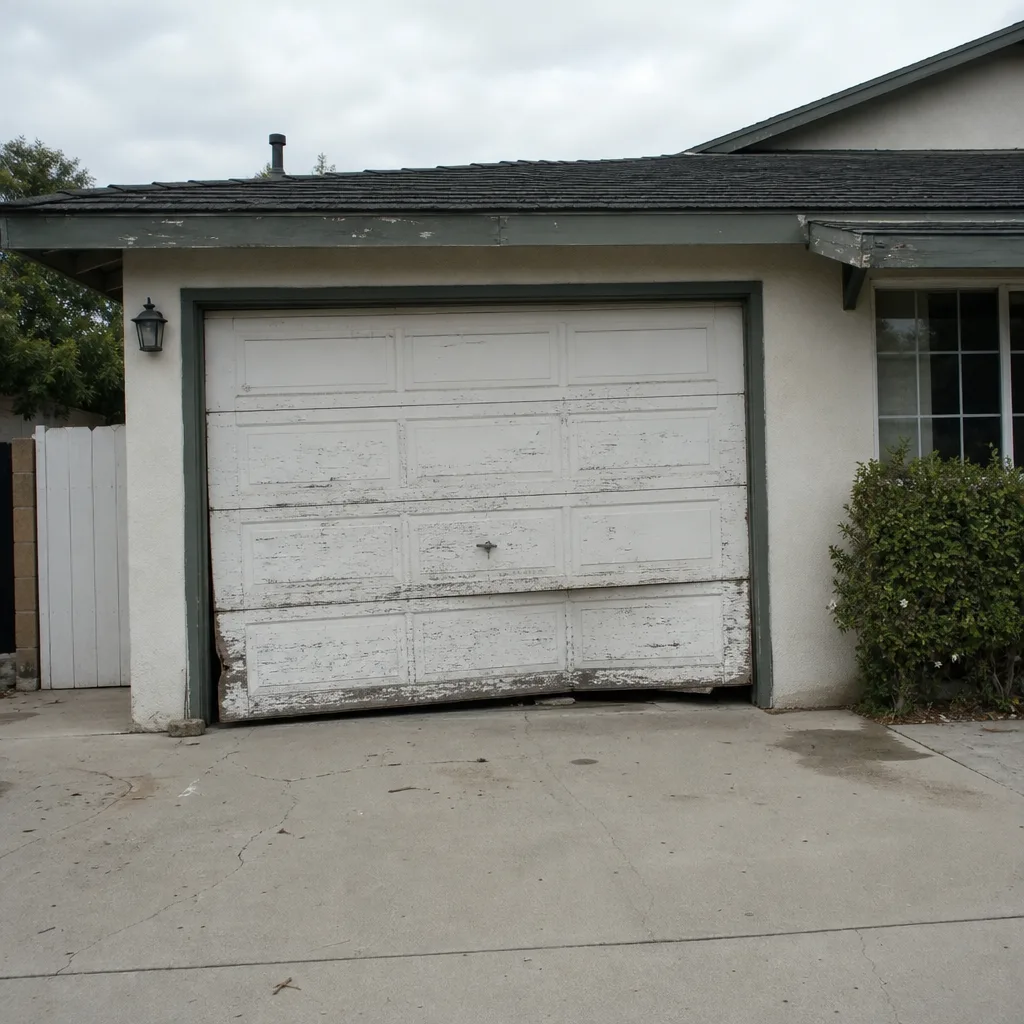 Before
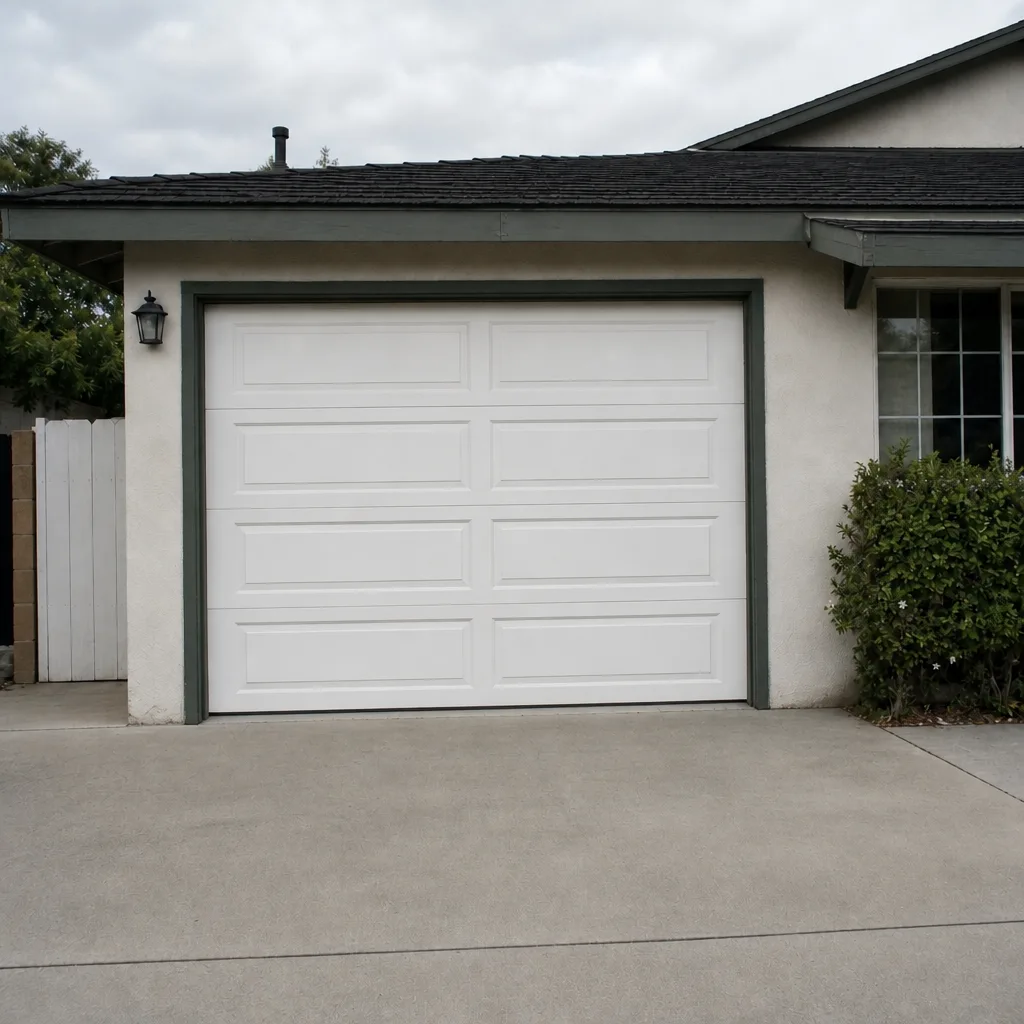 After
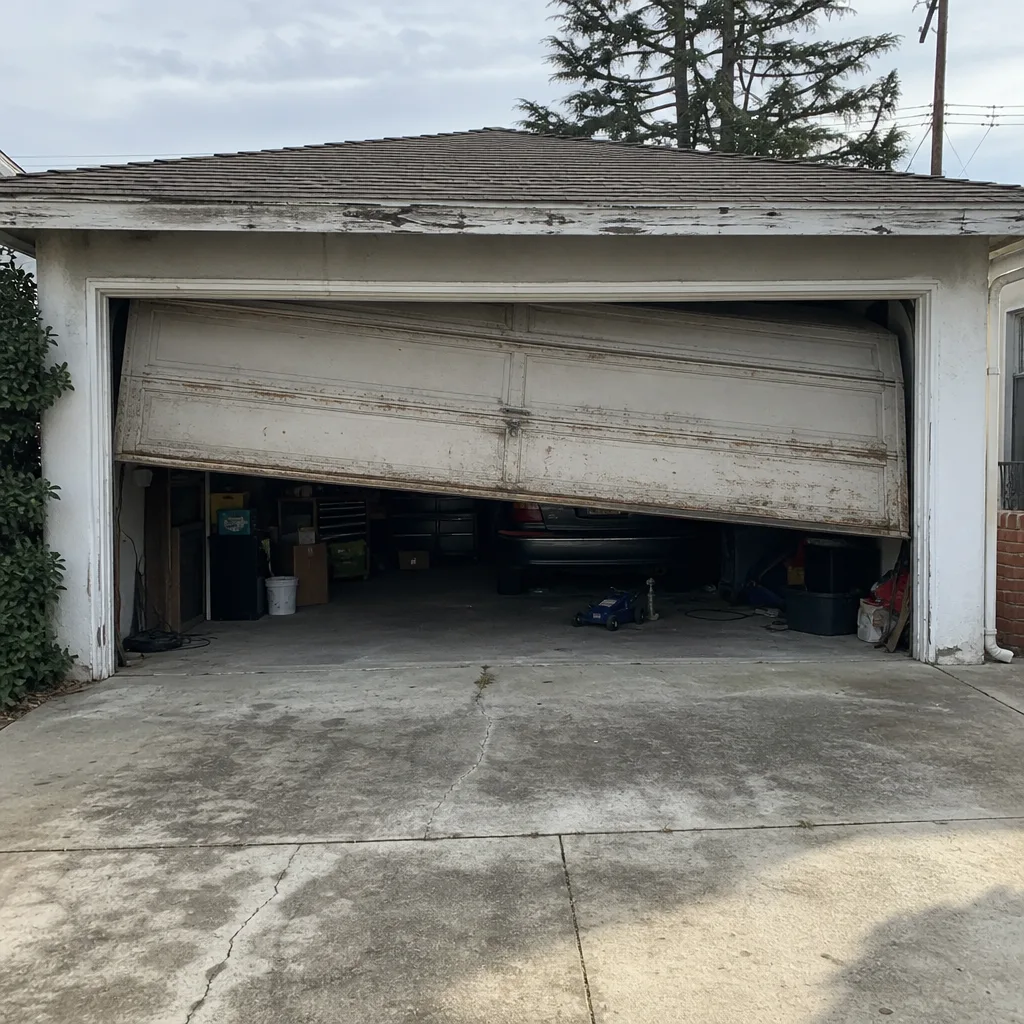 Before
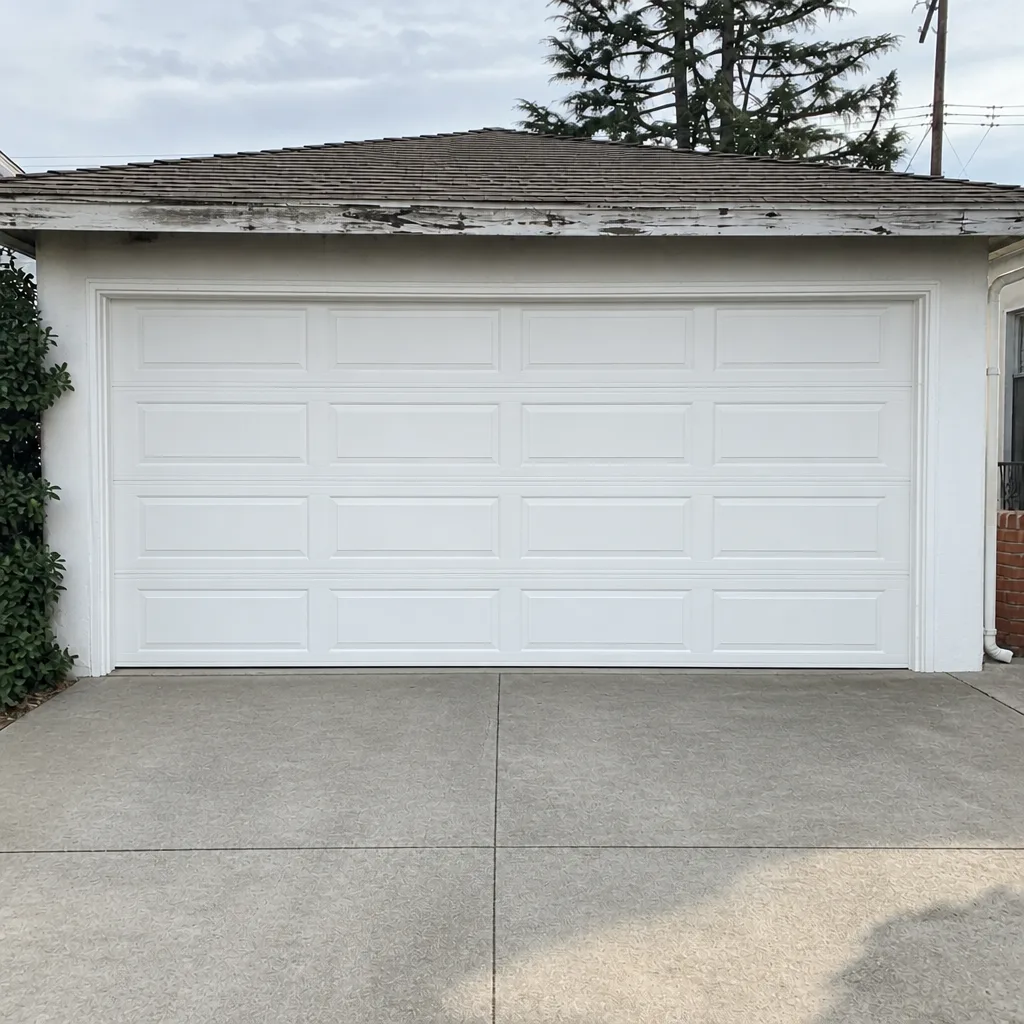 After
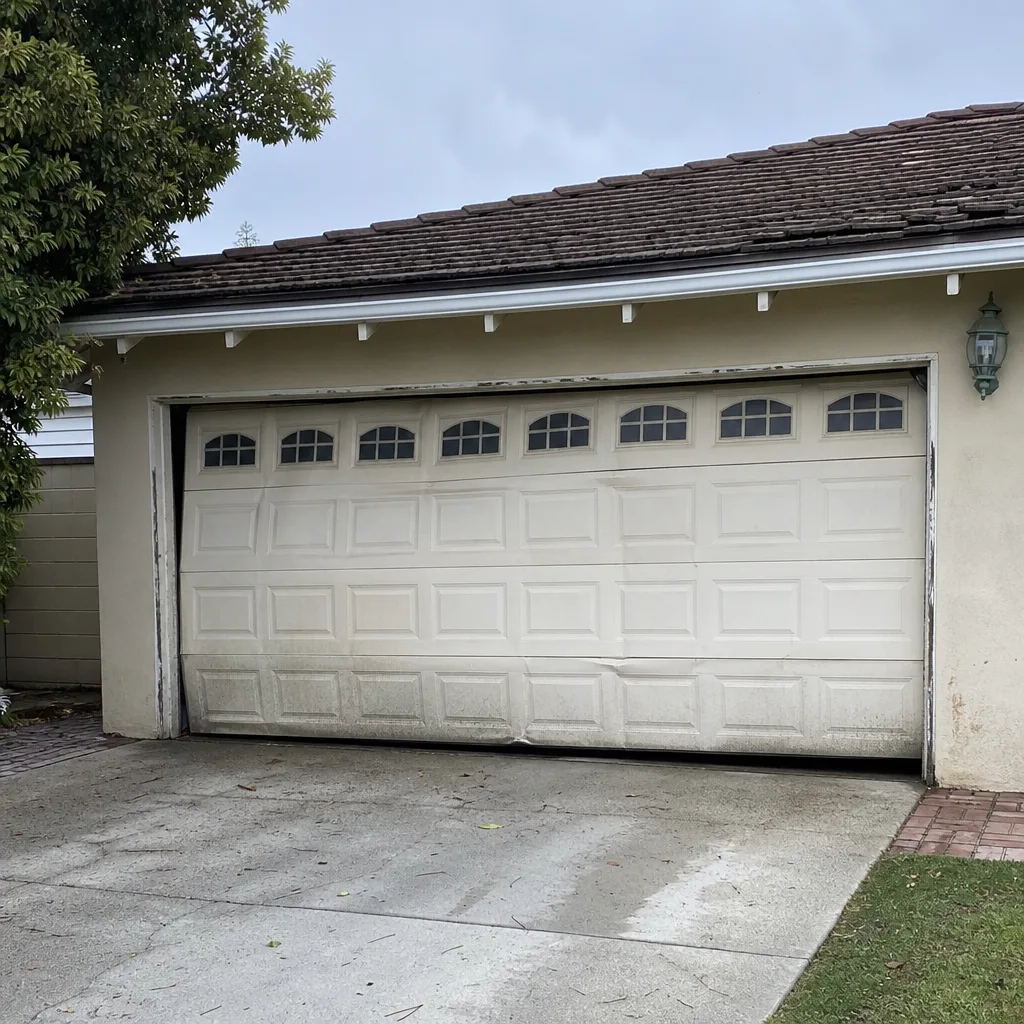 Before
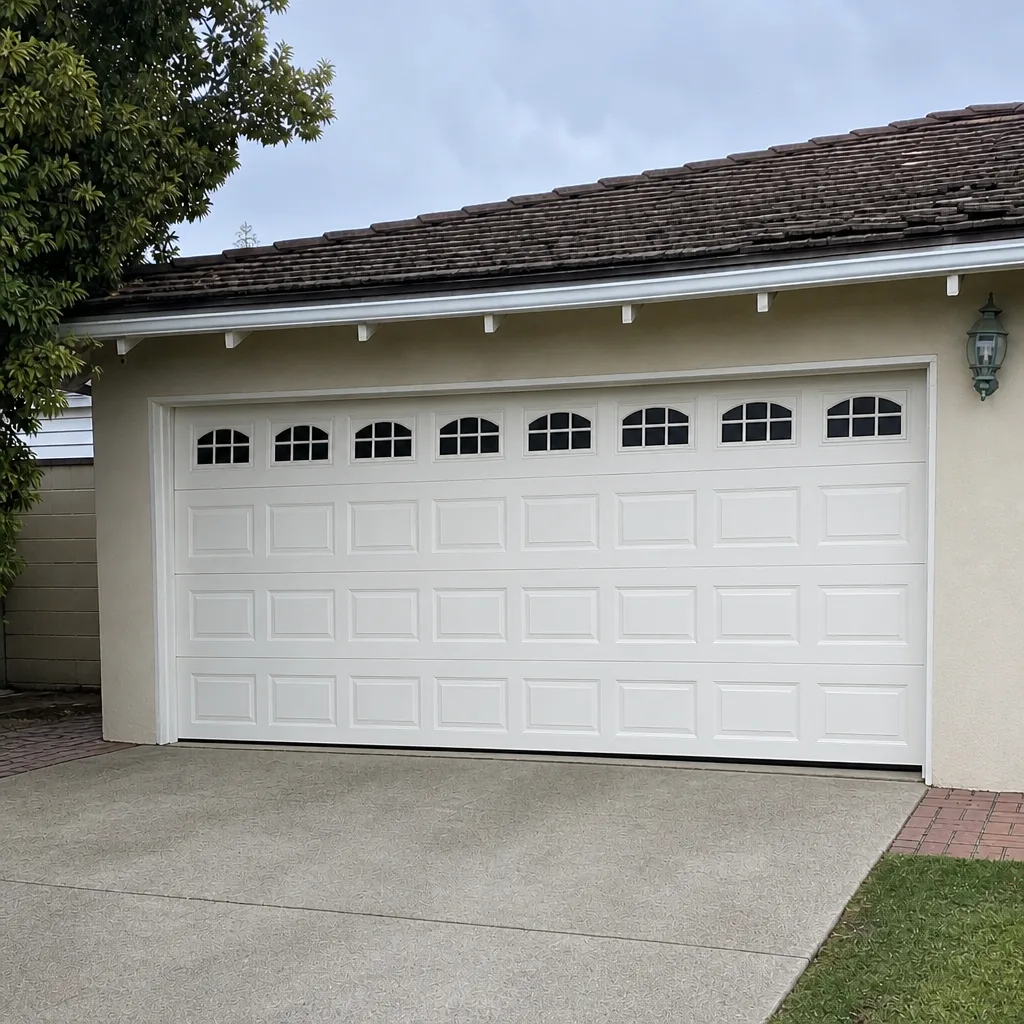 After