
Last updated November 4, 2026
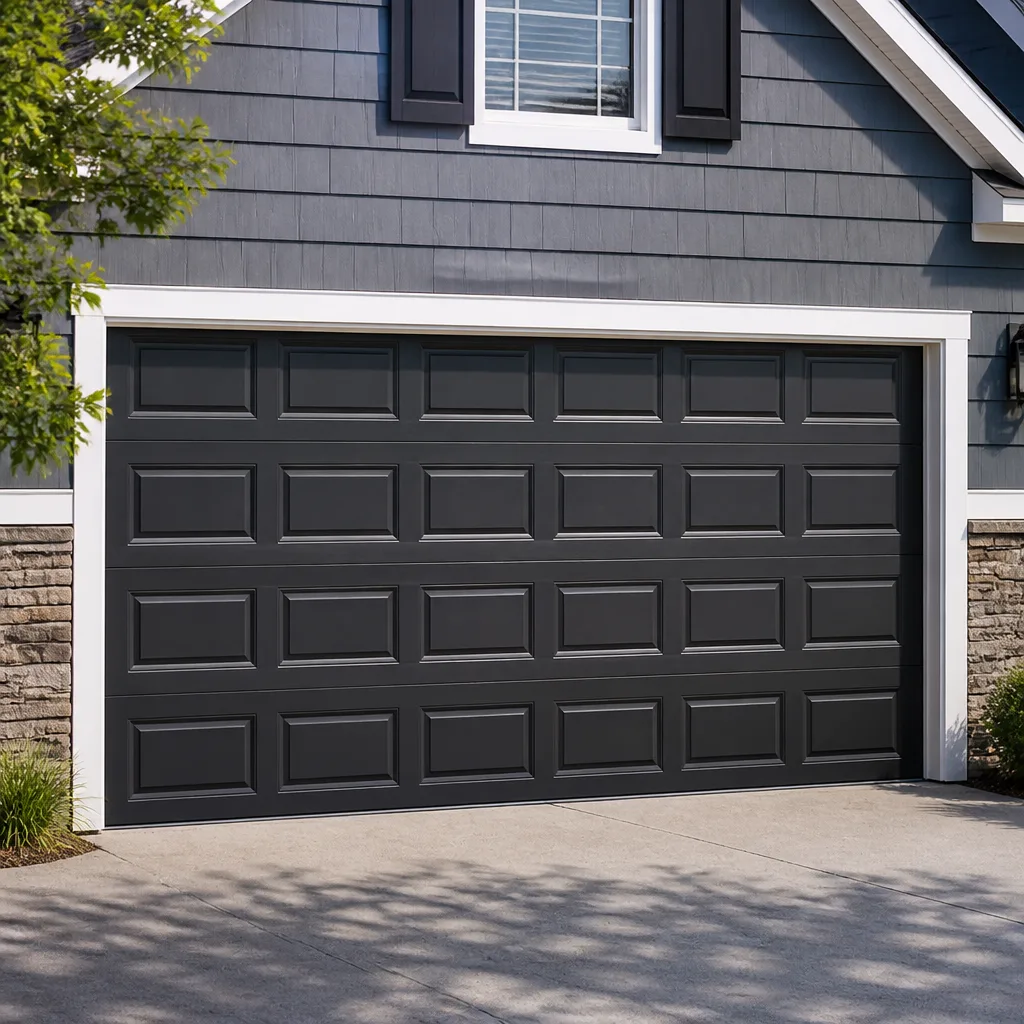 Raised-panel steel
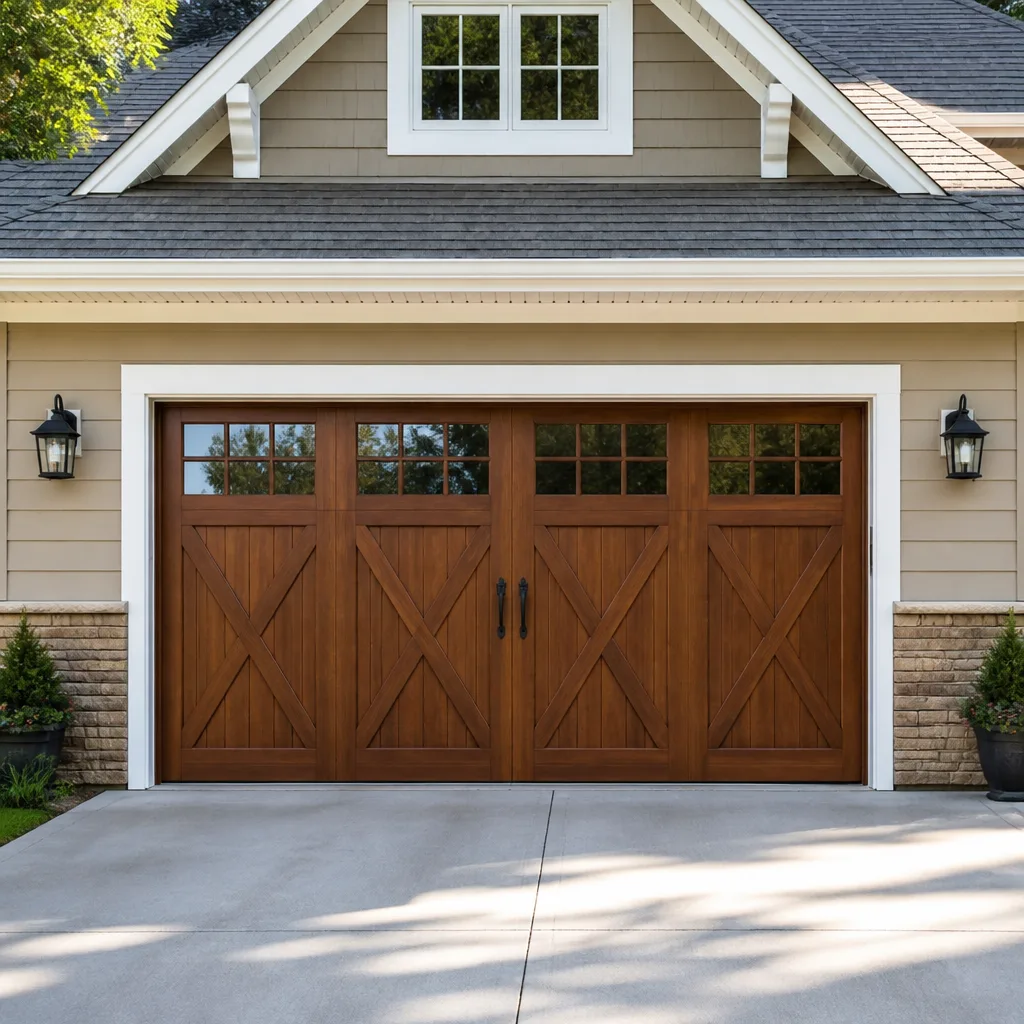 Carriage house
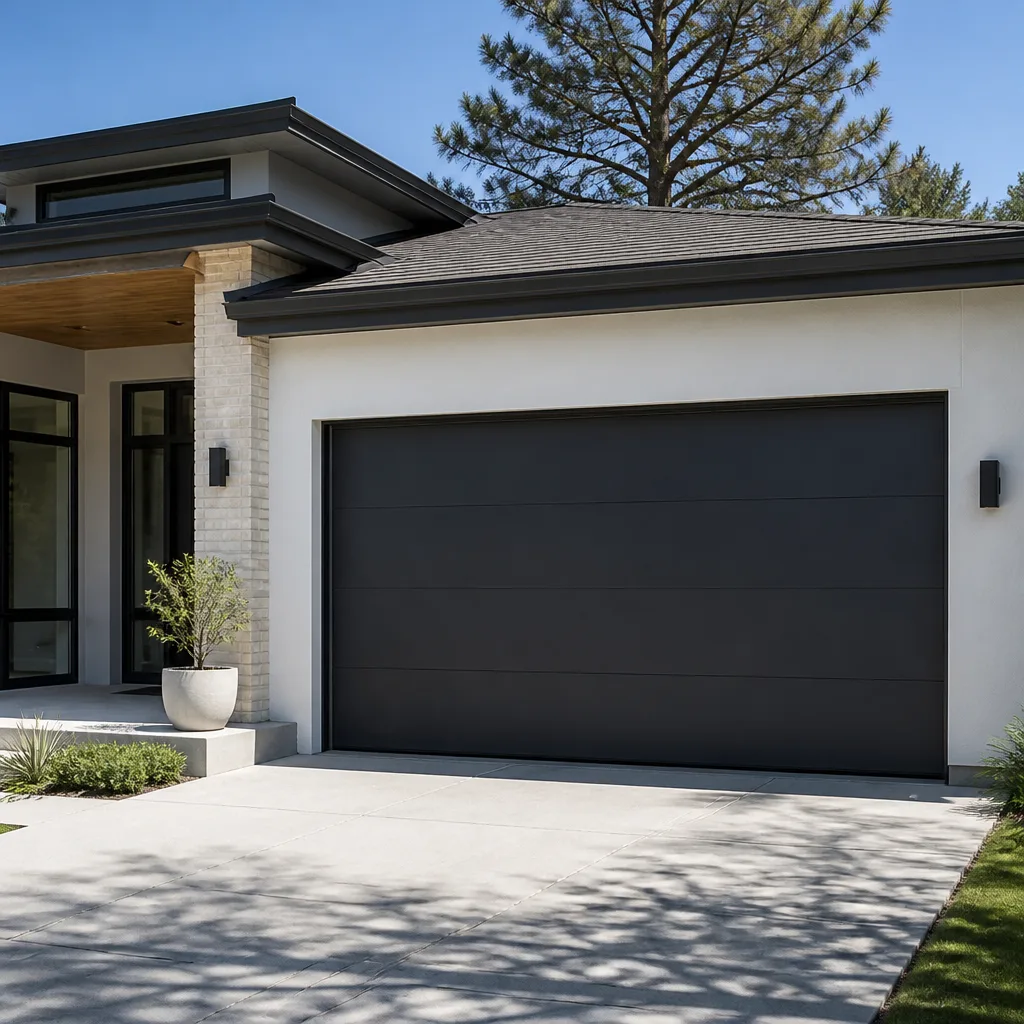 Modern flush
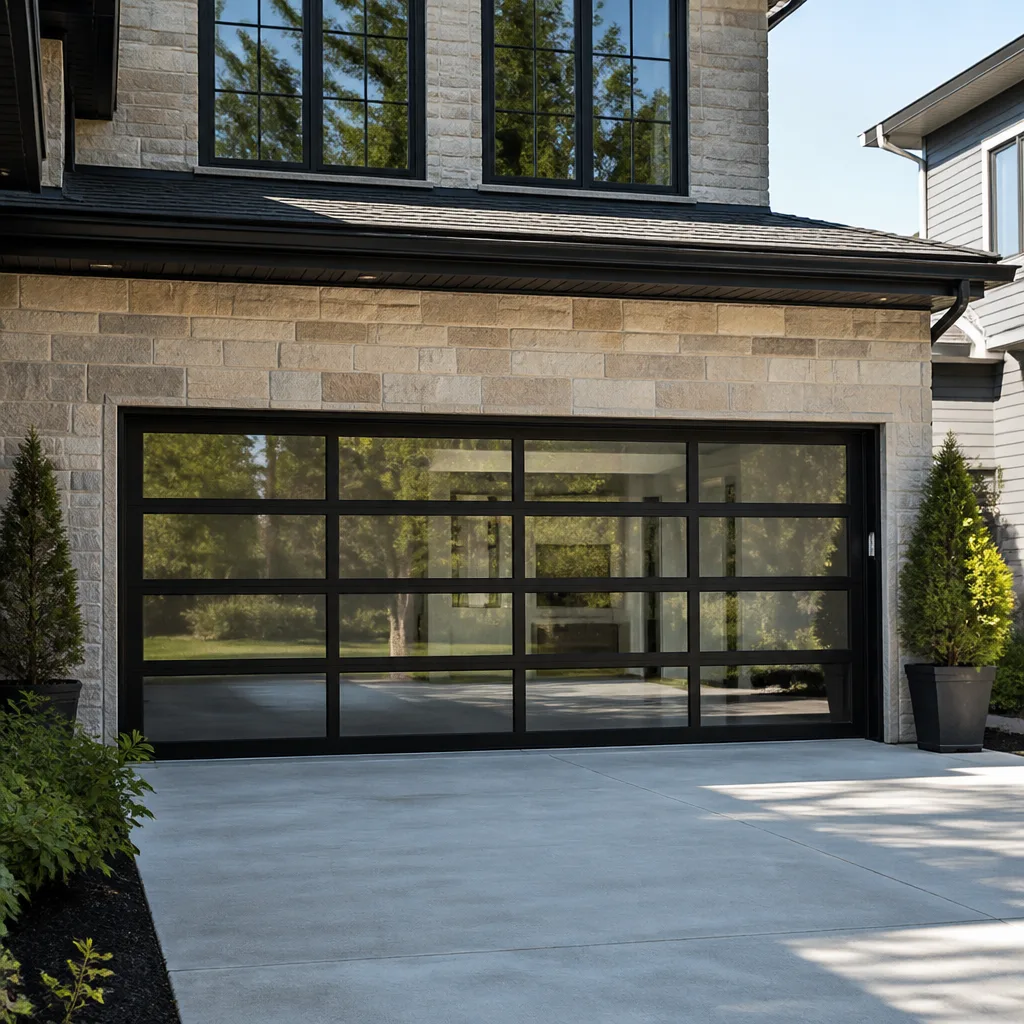 Full-view glass
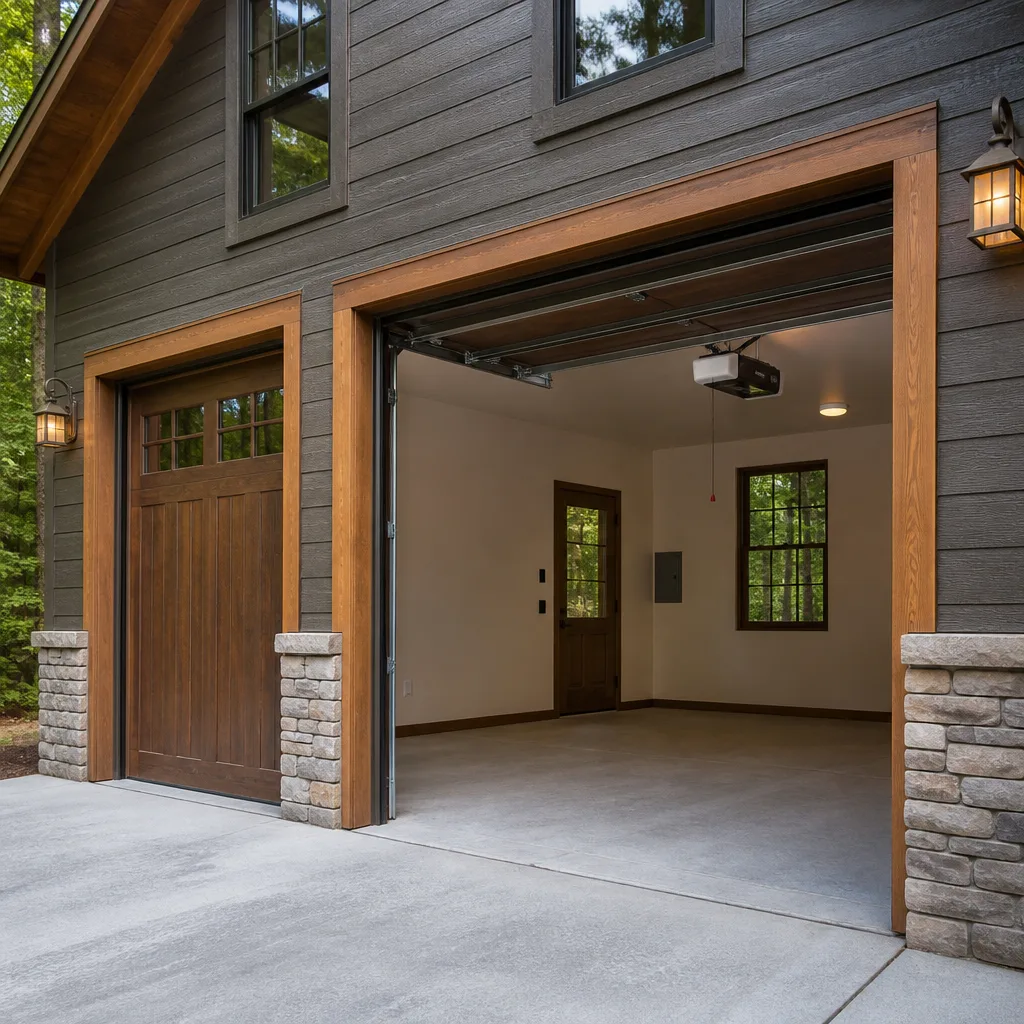 LiftMaster openers
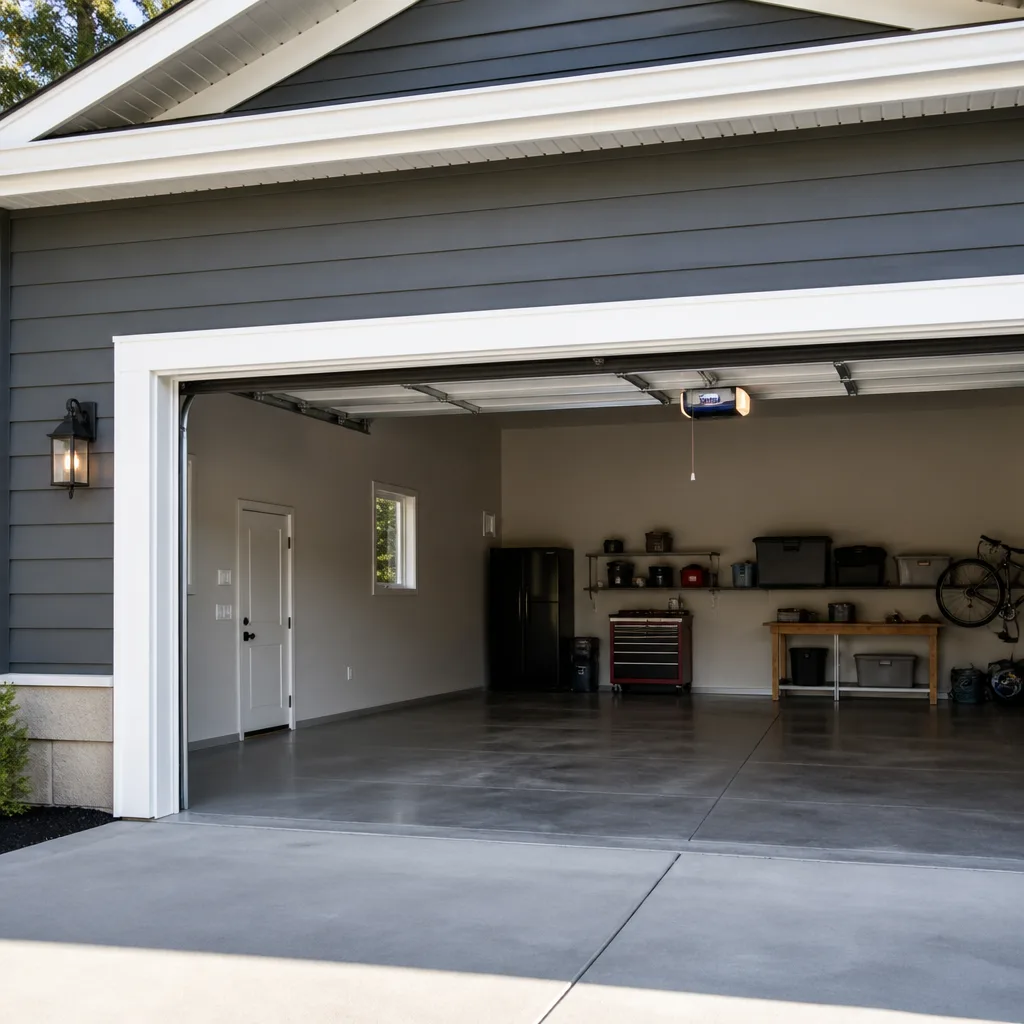 Chamberlain openers
Full 25-point door and opener safety check with every visit - springs, cables, rollers, tracks, and your LiftMaster or Chamberlain opener included
You get a price before we start. It does not change when the truck arrives.
Get your free estimateGarage Door Repair Troubleshooting in Arcadia: Common Problems and How to Fix Them
A door that reverses before hitting the ground and a door that will not move at all look like the same problem from the driveway, but they require completely different fixes, and confusing them is the number-one reason homeowners make things worse. This guide walks you through the four mechanical categories every garage door issue falls into, what you can safely sort out yourself, and which symptoms mean stop and call a technician. We work on garage doors in Arcadia every day, and most calls we take start with the same question: is this something I can fix, or did something actually break?
Styles & brands we work with
- Raised-panel steel
- Carriage house
- Modern flush
- Full-view glass
- LiftMaster openers
- Chamberlain openers
Quick Answer
Most garage door problems in Arcadia fall into four categories: opener and electrical issues, spring and cable failures, track and roller problems, and sensor misalignment. Opener and sensor issues are often fixable with basic adjustments, while a broken torsion spring or frayed cable requires a trained technician with the right tools and tensioning equipment. Start by identifying which category you are in, and never attempt spring or cable work yourself.
Table of Contents
- The Four Categories Every Garage Door Problem Falls Into
- Opener and Electrical Issues: What the Motor Is Trying to Tell You
- Spring and Cable Failures: The Safety Line
- Track and Roller Problems: Why Arcadia’s Temperature Swings Matter
- Sensor Misalignment and Drift: The Most Common False Alarm
- Reading Your Opener’s Self-Diagnosis: LiftMaster, Chamberlain, Genie, Craftsman, and Raynor
- The Two Adjustments Homeowners Can Safely Make
- Common Mistakes to Avoid
- When to Call a Professional
- Frequently Asked Questions
- The Bottom Line
The Four Categories Every Garage Door Problem Falls Into
Before you touch anything, figure out which mechanical system is actually failing. A garage door is not one machine; it is four systems working together, and each one fails in a predictable way. Opener and electrical problems usually mean the motor runs but the door does not move correctly, or the motor does not run at all. Spring and cable failures show up as a door that is suddenly too heavy to lift, or that slams down when released. Track and roller issues sound like grinding or squealing, and the door may hesitate or bind partway through its travel. Sensor problems almost always appear as a door that reverses immediately after starting to close, or refuses to close at all with the lights blinking.
Here is the triage that saves homeowners in Arcadia the most time:
- Does the opener run at all? If yes, move to the next question. If no, you are in opener and electrical territory.
- Does the door move when you operate it manually? Pull the release cord and try lifting it by hand. If it feels heavy or slams shut, you have a spring or cable problem, not an opener problem.
- Does it move but bind, grind, or stop partway? That points to tracks, rollers, or an obstruction.
- Does it start to close and then reverse right away? Check the photo eye sensors at the bottom of each track before anything else.
Most of the confusion in garage door repair troubleshooting comes from skipping this triage. Homeowners in Arcadia call us about an opener that will not lift the door, and nine times out of ten the opener is fine; the torsion spring broke, and the motor is simply refusing to strain against a door it was never designed to lift on its own. That is a critical distinction, because replacing a spring has nothing to do with replacing an opener, and knowing which one failed tells you whether this is a call for garage door repair or garage door opener repair.
Opener and Electrical Issues: What the Motor Is Trying to Tell You
The opener is the electric motor mounted to the ceiling of your garage, and it is the most communicative part of the entire system. It tells you what is wrong through blink patterns, beep sequences, and behavior. The trick is learning to read what it is saying before you assume the worst, because a surprising number of opener problems in Arcadia have nothing to do with the motor itself.
Here are the most common opener symptoms and what they usually mean:
- Motor hums but door does not move: The opener is trying to run but cannot overcome the load. This is almost always a broken spring, not an opener failure. Stop pressing the button and check the springs.
- Motor runs but chain or belt does not move: The gear inside the opener is stripped, especially on older chain-drive models. This is a repairable opener issue.
- No response from wall button or remote: Check the wall button first. If the wall button works but remotes do not, the issue is in the remote, the receiver, or the opener’s programming. If nothing works, check the GFCI outlet and breaker before assuming the opener died.
- Door reverses right after starting to close: The opener’s safety system is doing its job, which points to sensors rather than the motor.
- Door opens partway and stops: This is often a travel limit or force adjustment issue, especially on older openers where the settings have drifted over years of use.
We work on the brand you already have, and that matters here because opener problems are where brand-specific knowledge pays off most directly. A LiftMaster opener from a big-box store, a Chamberlain that came with the house, and a Genie installed by the previous owner all speak slightly different diagnostic languages. Understanding which one you are looking at tells you whether the problem is a $2 capacitor or a dead logic board.
Spring and Cable Failures: The Safety Line
A torsion spring is a tightly wound steel coil mounted above the door opening. It stores the mechanical energy that counterbalances the weight of the door, which on a typical double garage door in Arcadia is several hundred pounds. When that spring breaks, the energy releases all at once, and the door becomes dead weight. You will usually hear it, and the sound is unmistakable even from inside the house.
These are the symptoms that mean stop and call a professional:
- A loud bang from the garage, like a firecracker or a dropped weight: A torsion spring just snapped. Do not operate the door again.
- A visible gap in the spring coil above the door: Look up. If the spring is in two pieces instead of one continuous coil, it is broken.
- The door will not lift by hand, or lifts only with extreme effort: The spring is no longer counterbalancing the door’s weight.
- Frayed or separated cables on either side of the door: Cables work with the springs to lift the door. A frayed cable is a failure waiting to happen.
- The door slams down when you pull the release cord: That means the spring is not holding tension.
We will say this plainly because it is the single most important safety point in this entire guide: torsion springs are under extreme tension, and the tools and process for replacing one are not a weekend DIY project. A spring that releases while you are working on it can cause serious injury. We have the training, the right winding bars, and the specific spring size and torque ratings for each door. This is the one repair where every professional in the trade will tell you the same thing: do not attempt it yourself.
Cables are quieter but no less dangerous. They run from the bottom brackets of the door up to the drum above, and they carry the same tension the spring creates. If one is frayed, do not operate the door. The failure mode is a cable snapping while the door is moving, which causes the door to drop unevenly and can bend panels or damage the track. A bent bottom section from a dropped door usually means replacing the entire section, not just the cable, which is a much larger and more expensive repair.
Track and Roller Problems: Why Arcadia’s Temperature Swings Matter
Arcadia sits in the San Gabriel Valley, where summer afternoons regularly climb past 90 degrees and nights drop back into the low 60s. That daily temperature swing of 30 degrees or more does something to a garage door that other regions do not experience the same way: the steel track sections and the door panels themselves expand and contract on a daily cycle. Over time, the track brackets can shift slightly, and the gap between the track and the rollers changes. If the track was installed tight against the door on a cool morning, it can bind on a hot afternoon, because the metal grew.
What that sounds like from the driveway:
- Grinding or scraping during the first few feet of travel: The rollers are dragging against the track wall, often because the track has shifted inward.
- Metal-on-metal squeal at the top of the door travel: The horizontal track section has come out of alignment with the vertical section.
- Door hesitates at the same spot every time: There is a physical obstruction or a pinch point in the track at that height.
- Door moves slightly to one side as it travels: The track on one side is no longer plumb, or a roller has worn out.
Rollers are another common culprit. Nylon rollers wear down over several years of daily use, and when the nylon wears through, the roller itself runs on bare metal, which is noisy and damaging to the track. Replacing worn rollers before they fail is one of the most cost-effective pieces of preventive maintenance on any garage door, and it is a repair we do routinely in Arcadia.
If the door binds at one point in its travel, you can visually inspect the track for obvious dents or loose brackets. But here is the caution: track adjustment is not just tightening a bolt. A track that is out of square can cause the door to work its way loose over time, and if the door comes off the track while under tension, the result is a door that cannot be operated safely. If the track issue is anything beyond a loose bracket, call a technician who understands how track and spring tension work together.
Sensor Misalignment and Drift: The Most Common False Alarm
The photo eye sensors sit near the floor on each side of the door opening, about six inches up. One sends an invisible beam across the opening, and the other receives it. If the beam is blocked or broken, the opener will not close the door, and if the door is already closing, it will reverse. This is a safety feature required on every opener manufactured since the early 1990s, and it causes more false alarms than any other single component.
The reason Arcadia homeowners deal with sensor drift more than people in other climates is that same daily temperature swing. The sensor brackets are usually mounted to the door track, which expands and contracts with the heat. Over a few years, a bracket that was perfectly aligned can drift out of position by a fraction of an inch, which is enough to break the beam. Sensor drift is also caused by the vibration of the door moving up and down every day, which works the bracket screws loose over time.
Here is how to check your sensors before calling anyone:
- Look at each sensor. There is usually a small LED light on each one. If one light is off or blinking and the other is steady, that is a misalignment or wiring issue.
- Wipe the lens on each sensor with a clean, dry cloth. Dust and dirt on the lens can block the beam.
- Check that nothing is physically between the sensors: a rake, a trash can, a box pushed against the wall.
- Gently bend the bracket back into alignment so the sensors point directly at each other, if you can see the misalignment visually.
- Test the door by pressing the wall button, not the remote, to rule out remote-specific issues.
If the sensors are aligned, clean, and unobstructed, and the door still refuses to close with the lights flashing, the issue may be in the wiring between the sensor and the opener, or in the opener’s logic board. That is where a technician with opener-specific diagnostic tools saves you hours of guesswork.
Reading Your Opener’s Self-Diagnosis: LiftMaster, Chamberlain, Genie, Craftsman, and Raynor
Modern garage door openers diagnose themselves, and the language they use is specific to the brand. Knowing your brand means you can read the error before you even pick up the phone. This is one of the places where our familiarity with all eight major brands pays off, because we do not have to learn your opener on the job; we already know what it is telling you.
Here is what the most common brands in Arcadia garages communicate:
- LiftMaster: The learn button on the back of the motor unit doubles as a diagnostic light. A specific number of flashes corresponds to a specific failure: one flash means a wiring or safety sensor issue, two flashes indicate a shorted wire or reversed sensor wires, and five flashes tells you the motor overheated. Understanding the count means the difference between a loose wire and a component failure.
- Chamberlain: Chamberlain uses the same diagnostic language as LiftMaster because the two brands share a parent company. The up and down arrows blink in patterns that map to the same error codes. A door that stops partway and blinks twice is not the same problem as a door that reverses and blinks four times.
- Genie: Genie openers use a combination of red and green lights and audible beeps. A red light that blinks a set number of times, or a series of beeps, tells you whether the problem is the safety beam, the door balance, or the opener’s internal limits. Genie’s language is less standardized across model years, which is why so many Genie owners end up calling us rather than guessing.
- Craftsman: Older Craftsman openers are simple, and that is their diagnostic approach: one blink for a sensor issue, two for a wiring problem, and so on. The challenge with Craftsman is that the parts for older models are not always interchangeable with newer ones, so identifying the exact model matters before ordering a replacement component.
- Raynor: Raynor openers are less common in the wild, but they exist in enough Arcadia garages that we know their diagnostic patterns too. Most Raynor units use a simpler blink-code system, and their wall control panels often have a dedicated lock mode that, when engaged inadvertently, makes the opener appear completely dead.
The practical takeaway is this: before you assume the worst about an opener that is blinking, count the blinks and check your owner’s manual. The answer is often a simple sensor adjustment or a reset, not a new opener. And if you do not have the manual, we probably know the code.
The Two Adjustments Homeowners Can Safely Make
There are exactly two adjustments we are comfortable recommending to homeowners, and both live on the opener itself, not on the door or the springs. They are safe because they do not involve touching anything under tension, and the worst realistic outcome is that you make the door stop short or run slightly too far and have to adjust it back.
Adjustment one: the travel limit. The travel limit controls how far the door travels up and down. If the door does not close all the way, leaves a gap at the bottom, or reverses just before touching the ground, the travel limit has drifted. On most openers, there are two small adjustment screws or buttons on the side of the motor unit, one marked “up” or “open,” the other marked “down” or “close.” A quarter turn or a single click at a time is all it takes, then test the door with the wall button. Expect the door to move an inch or two further in the direction you adjusted.
Adjustment two: the force setting. The force setting controls how much resistance the opener will push against before it reverses. If the door stops partway up on a humid morning or reverses when it hits the floor, the force setting may be too low. Bump it up one step and test again. The goal is the lowest setting that reliably opens and closes the door without reversing. Too much force defeats the safety system, and too little makes the door unreliable.
Anything beyond these two adjustments, including spring winding, cable replacement, track realignment, and logic board diagnosis, is technician territory. That line is not about making the work sound mysterious; it is about not encouraging you to put your hands near a system that stores enough energy to injure you.
Common Mistakes to Avoid
- Ignoring a changing sound. A door that was quiet and is now noisy is telling you something. In Arcadia, where doors operate several times daily, a new squeal or grind is almost always a roller or track issue that is cheaper to fix now than after it damages something else.
- Pushing the button repeatedly when the door will not move. Every press of the button sends the motor through a full open or close cycle. If the spring is broken, you are straining a motor that is not designed to lift an unbalanced door, and you are burning out a perfectly good opener on top of a broken spring.
- Spraying lubricant everywhere without cleaning the tracks first. Greasy tracks collect dust, and the grit becomes an abrasive paste. Wipe the tracks clean first, then lubricate only the rollers and hinges with a garage-door-specific lubricant, never a household oil like WD-40.
- Tightening the spring tension yourself. The springs are not an adjustment screw. They are a stored-energy system. If the door is sagging or slamming, call a technician. There is no version of this repair that is safe to attempt with household tools.
- Replacing the opener when the spring is the problem. We see this constantly: a door will not open, the homeowner assumes the opener died, and a new opener gets installed on top of a door with a broken spring. The new opener fails the same way inside a month. Check the spring first.
- Unplugging the opener and replugging it to clear a persistent error code. This clears the symptom, not the problem. The error will return, and in the meantime you have lost the diagnostic information the opener was trying to give you.
When to Call a Professional
If the spring has broken, the cable is frayed, the door has come off the track, or the bottom section is bent from an impact, stop and call a technician. These are not marginal calls. A bent section means the door cannot seal or balance properly, and a door off the track under spring tension is genuinely dangerous to operate. The same goes for any opener problem where the diagnostic lights point to a wiring or logic board issue, because the fix requires the right replacement part for your specific model. We work on the brand you already have, and we carry the diagnostic knowledge and parts for all eight major brands. Garage Door Service Arcadia offers free estimates in Arcadia. Call (888) 495-0121. We answer 24/7. Fast dispatch from 7am to 7pm, Sunday through Friday.
Frequently Asked Questions
Most common garage door repairs in Arcadia fall into predictable ranges depending on the part: a single torsion spring replacement typically runs $180 to $340 including labor, a new set of rollers is usually $80 to $160, and a sensor alignment or wiring fix is often under $150. A full opener replacement is higher, generally $350 to $600 for a mid-range unit installed. The written estimate sets the final price before any work begins, and the estimate is free. Call (888) 495-0121 for an exact quote on your door.
Yes, same-day repair is available for most common problems. We answer 24/7 and dispatch crews from 7am to 7pm, Sunday through Friday. Call (888) 495-0121 and describe what the door is doing. We will tell you what the likely problem is, what the fix will cost, and when we can have a technician at your home.
Usually, yes. A door that reverses immediately after it starts to close, while the opener lights blink, is almost always a photo eye sensor issue: misaligned brackets, a dirty lens, or a wiring fault. Clean the lenses and check the alignment first. If the door still reverses, call us. It is one of the fastest fixes we do in Arcadia.
Not until you check the spring. Pull the release cord and try lifting the door by hand. If it is extremely heavy or will not lift, the torsion spring is broken and the opener is fine. Replacing the opener without fixing the spring wastes money, because the new opener will fail the same way. If the door lifts easily by hand, then the problem is in the opener. Call (888) 495-0121 and we will help you figure out which one it is.
We service LiftMaster, Chamberlain, Genie, Clopay, Amarr, Wayne Dalton, Craftsman, and Raynor. You will not get the “we only fix what we sell” runaround, because we are brand-agnostic and factory-familiar with all eight. If your opener is blinking an error code, count the blinks before you call and we can usually tell you what it means over the phone.
No. The price is quoted and agreed in writing before any work starts. If the technician finds a related problem during the repair, you will be told what it is and what it costs before anything additional is done. You approve everything first. Call (888) 495-0121 for a free estimate.
Yes, and it has to do with the daily temperature swing. Steel track sections and door panels expand in the afternoon heat and contract at night. Over time, that cycle can shift the track brackets slightly, which causes the rollers to run tighter and noisier than they did originally. If the noise is new and persistent, the rollers or track alignment are worth checking before the wear becomes a binding problem.
The Bottom Line
Most garage door problems in Arcadia come down to four systems: the opener, the springs and cables, the tracks and rollers, and the sensors. Figure out which system is failing and you have already solved half the problem. Opener and sensor issues are often safe to adjust yourself, while spring, cable, and serious track issues need a professional, period. The temperature swings that make Arcadia such a comfortable place to live also make your door work against itself a little more each year, so a noisy or hesitant door is a signal worth paying attention to. When you need help, Garage Door Service Arcadia knows the brand you already have. Call (888) 495-0121. We answer 24/7. Fast dispatch from 7am to 7pm, Sunday through Friday.
Written by the team at Arcadia Garage Door Service, serving Arcadia since 2018.
See the difference
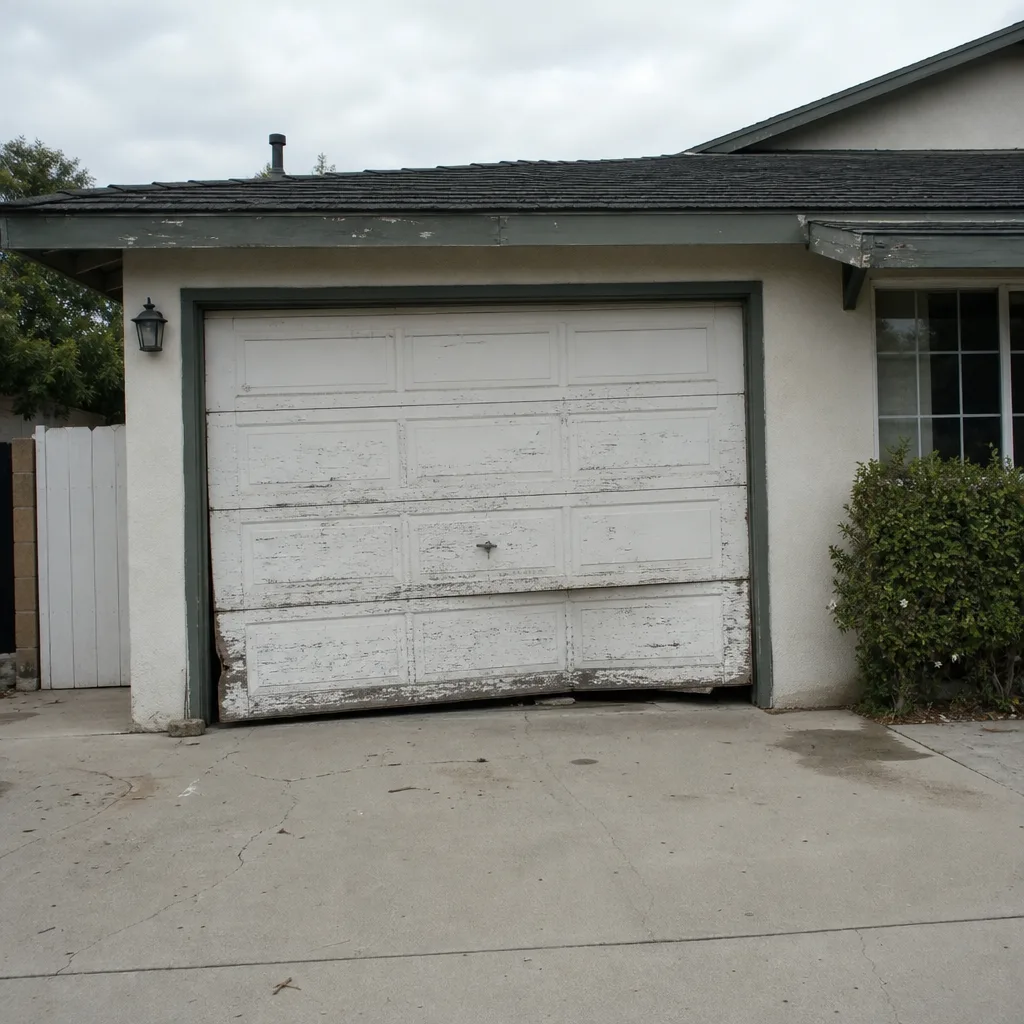 Before
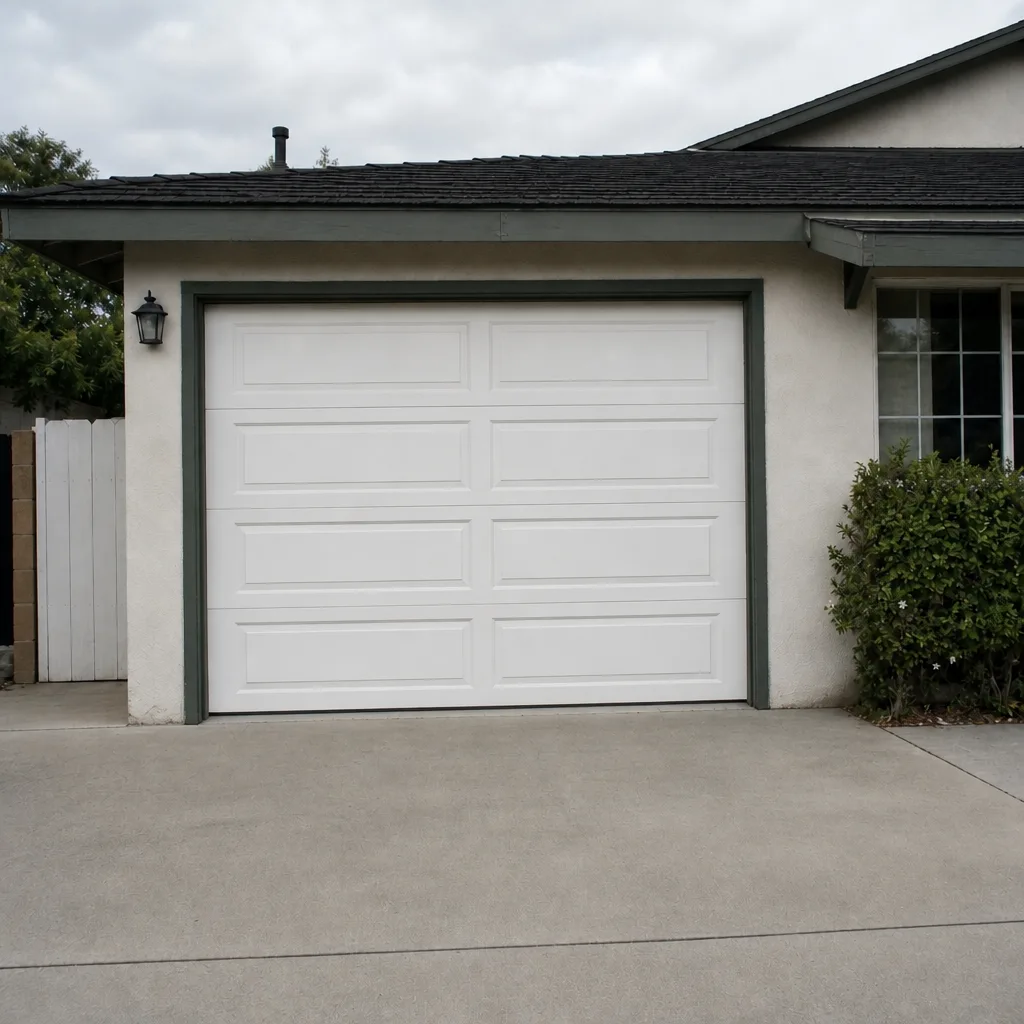 After
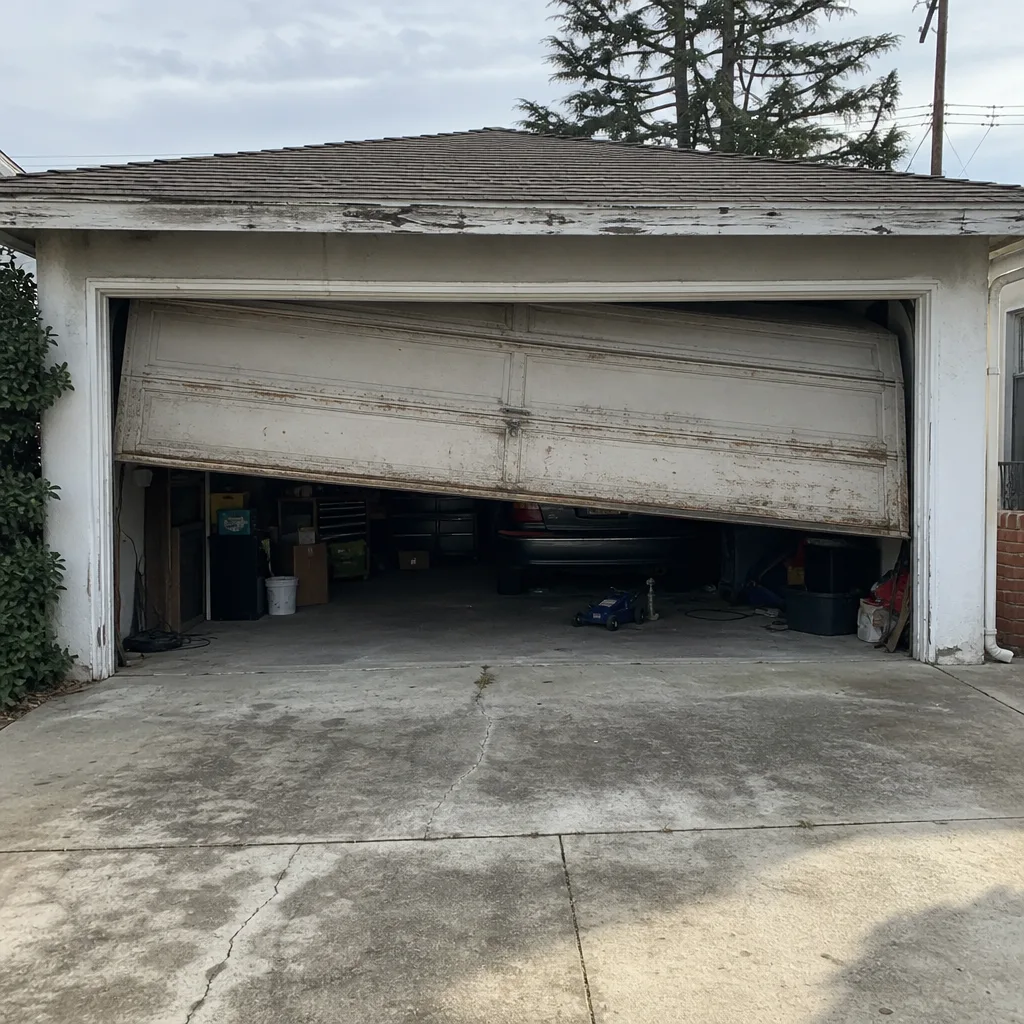 Before
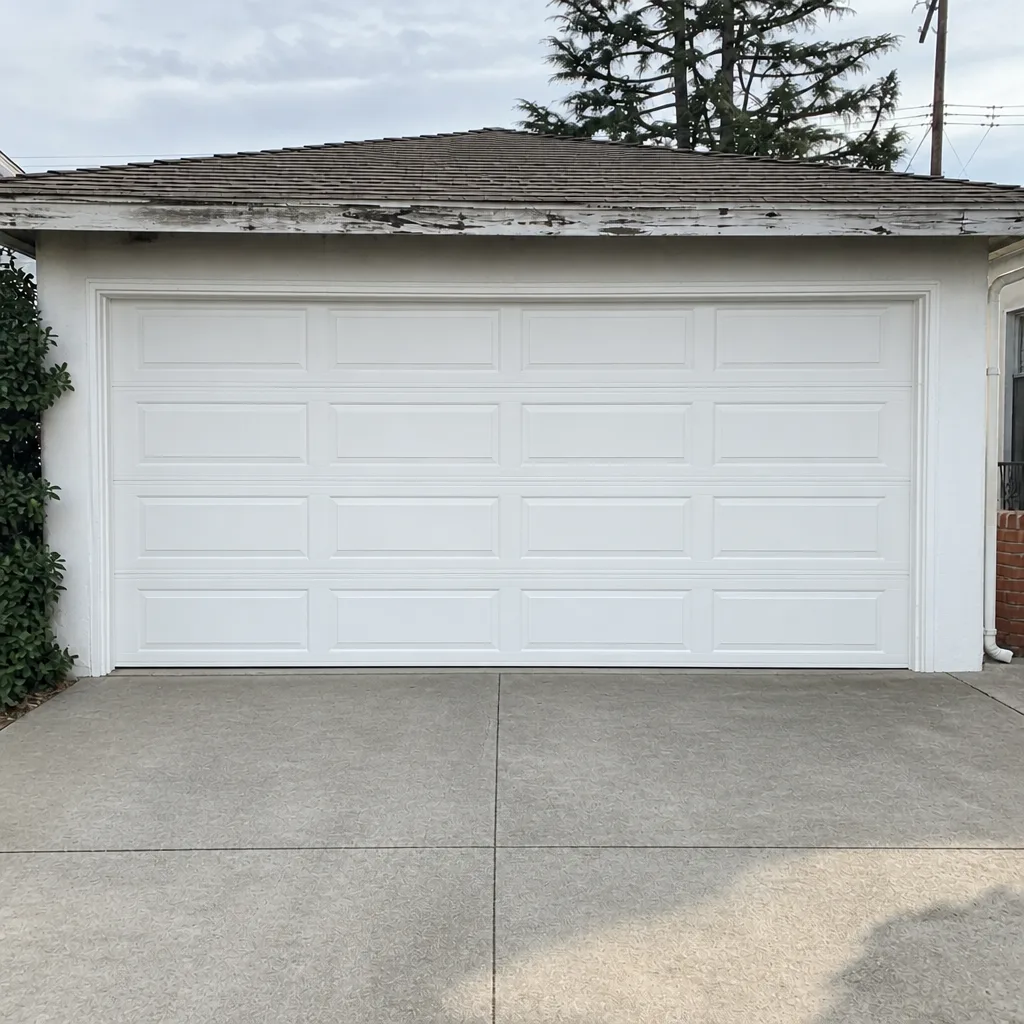 After
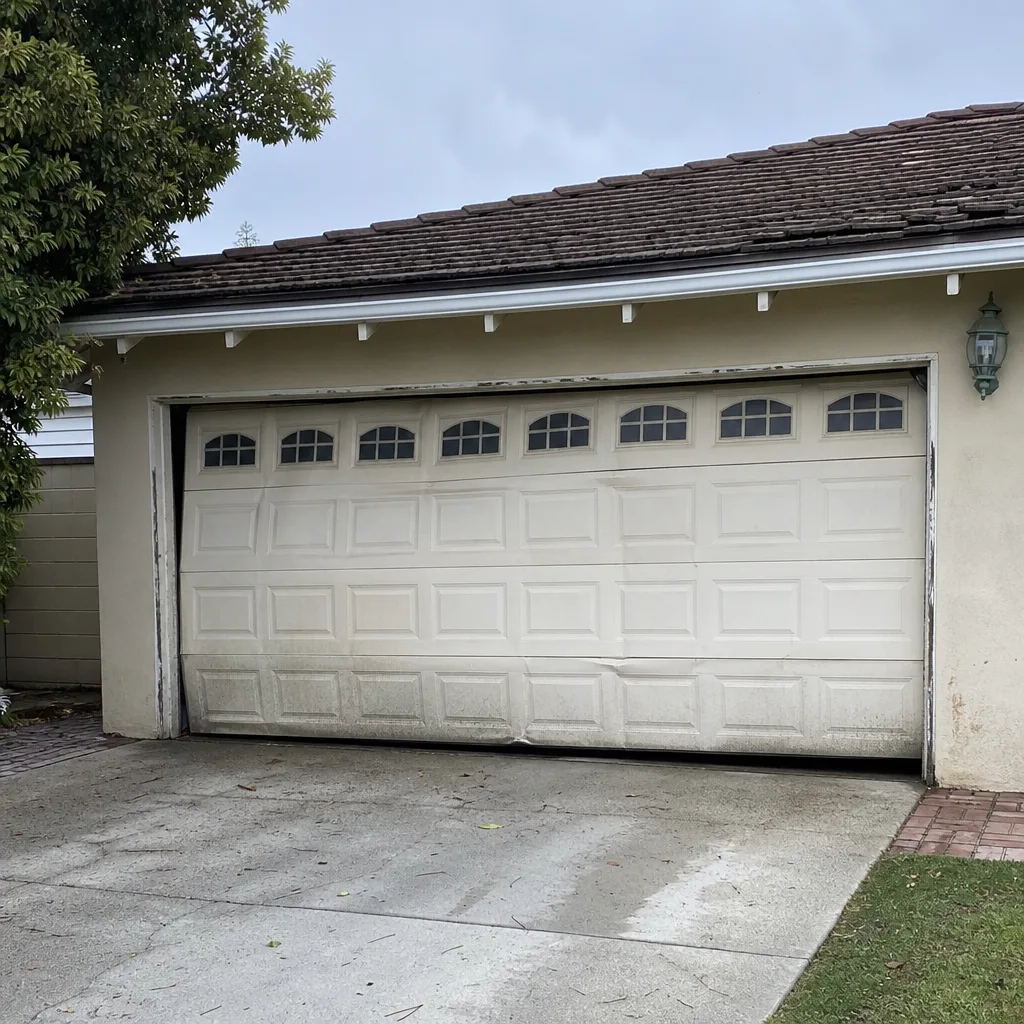 Before
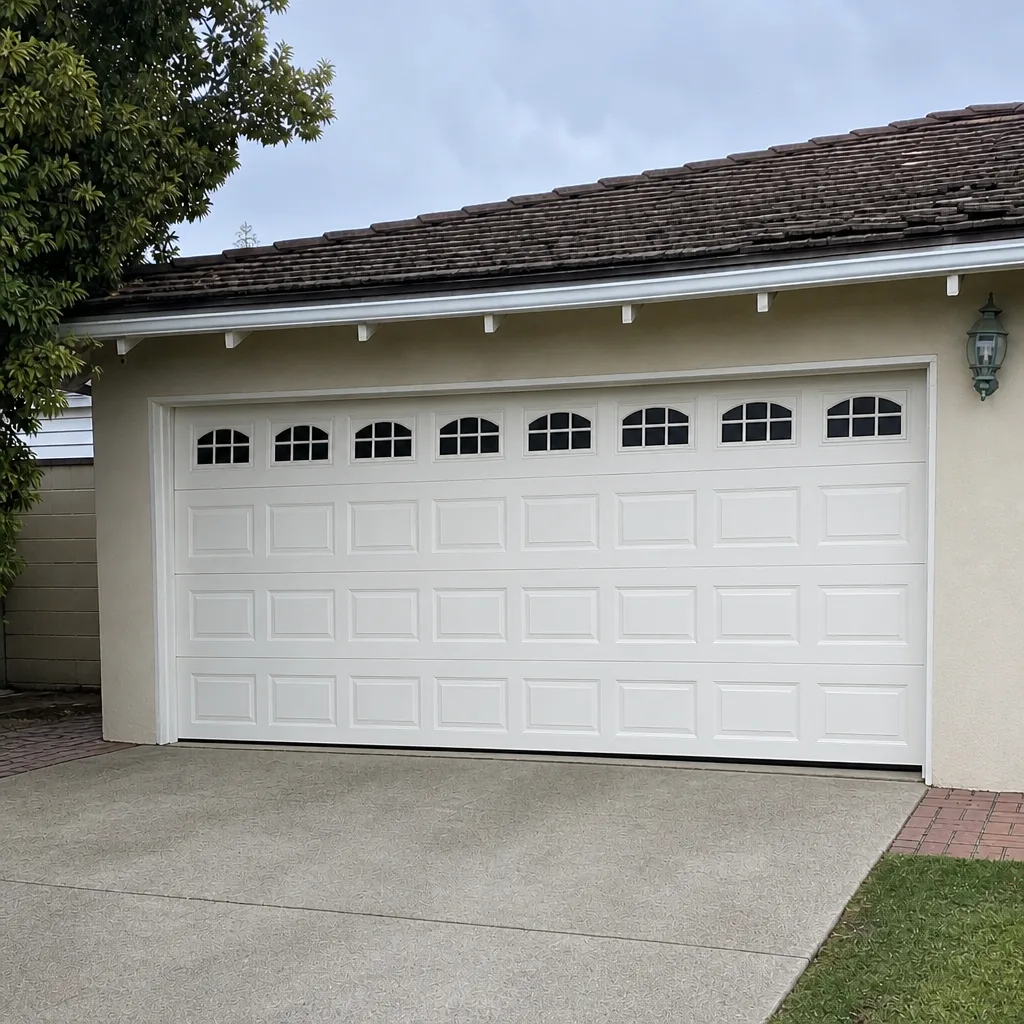 After