
Last updated November 4, 2026
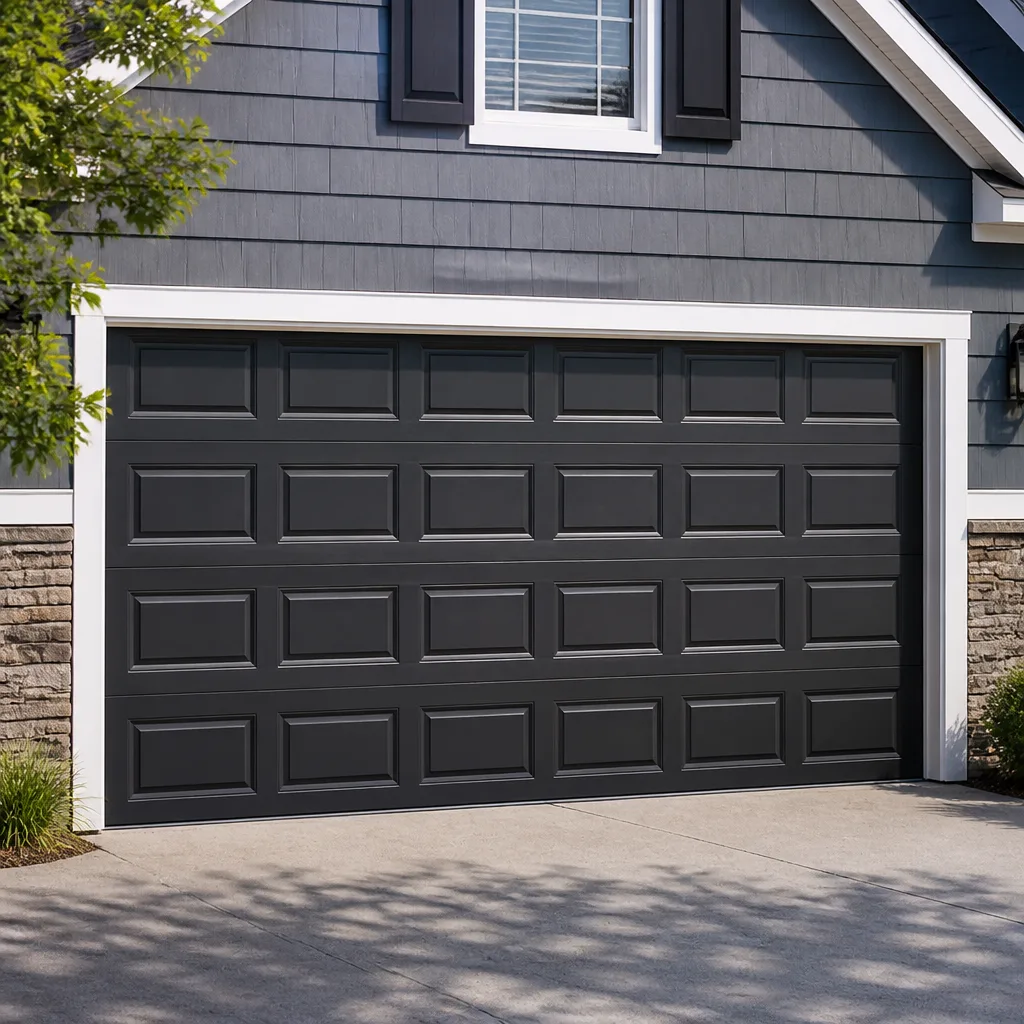 Raised-panel steel
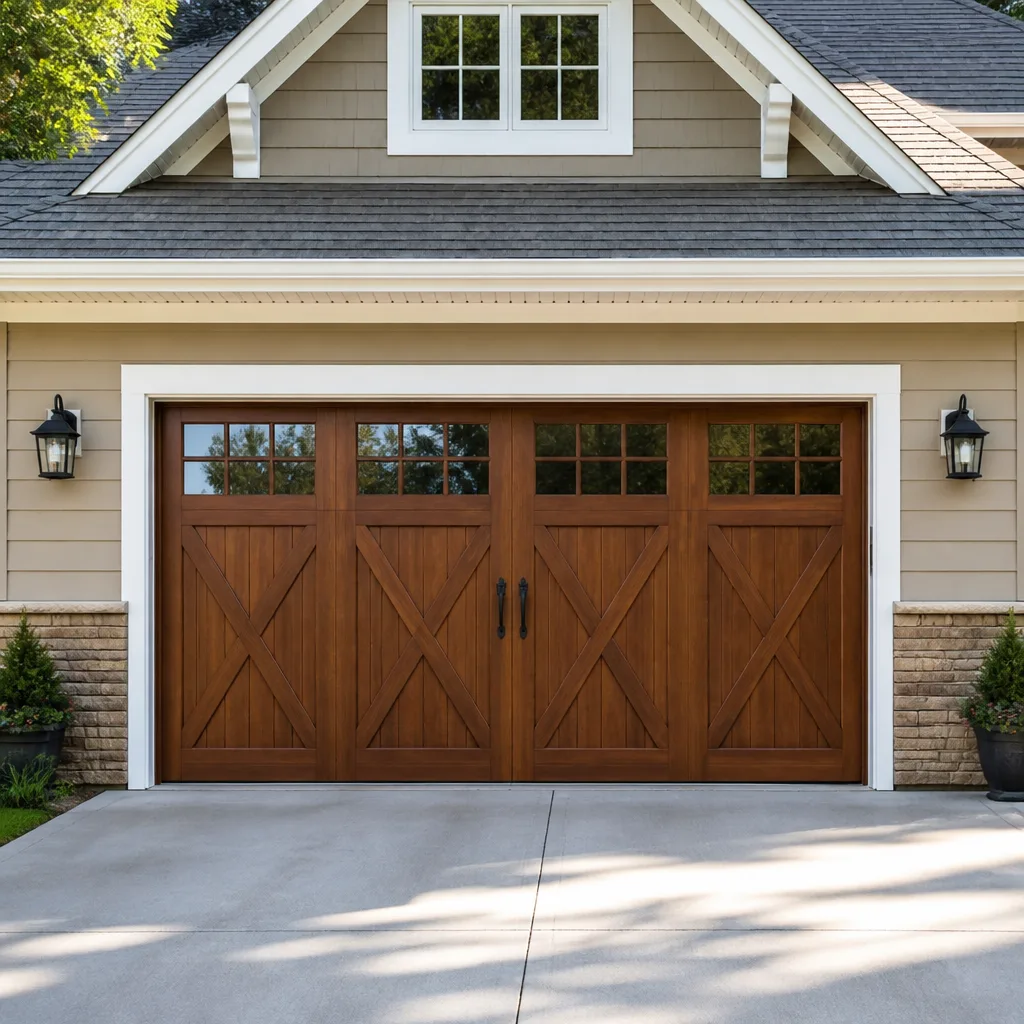 Carriage house
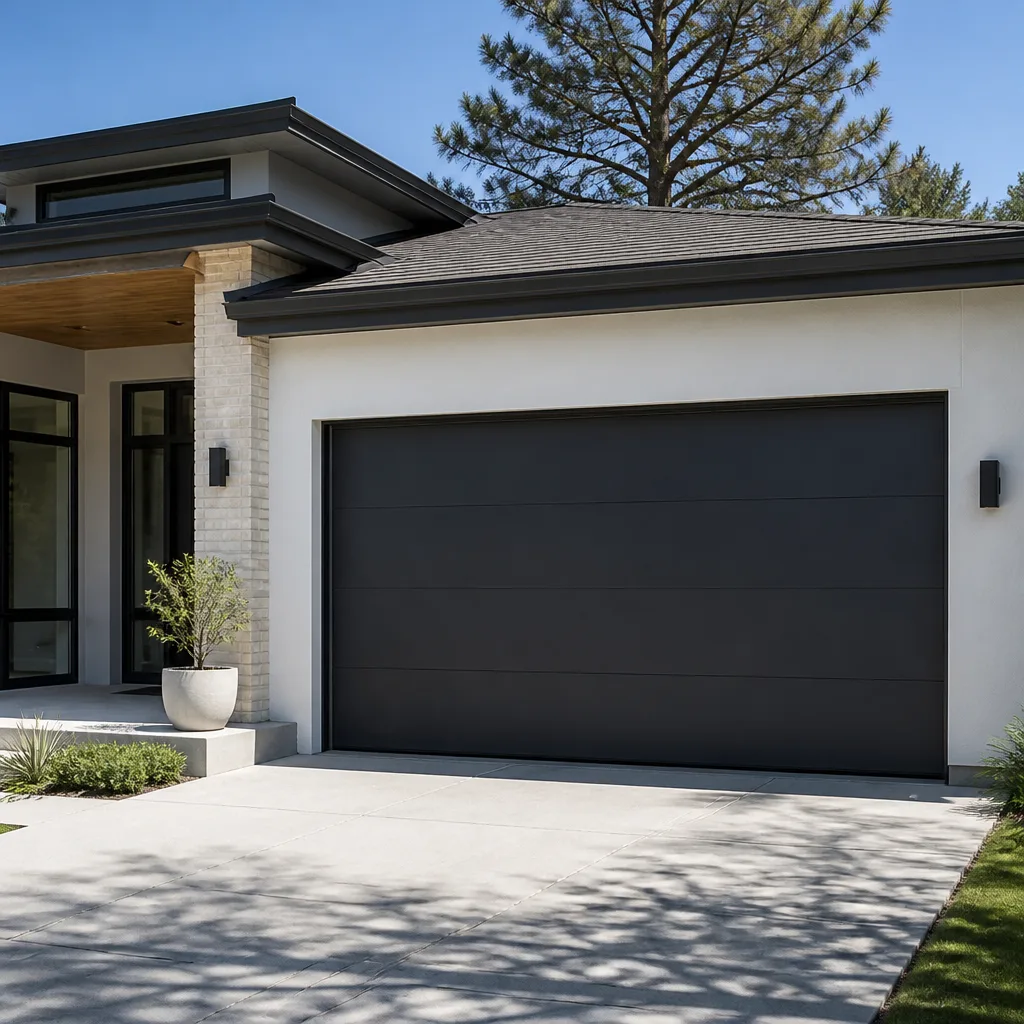 Modern flush
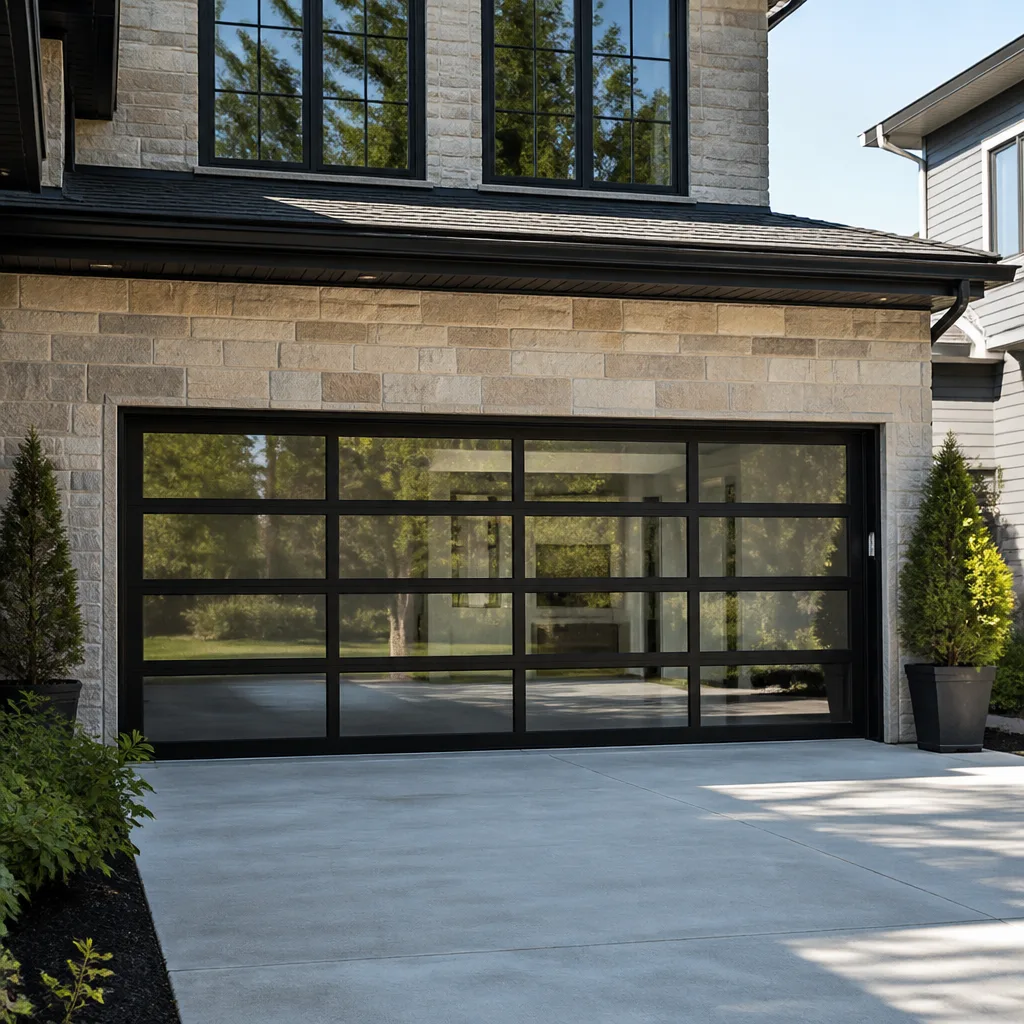 Full-view glass
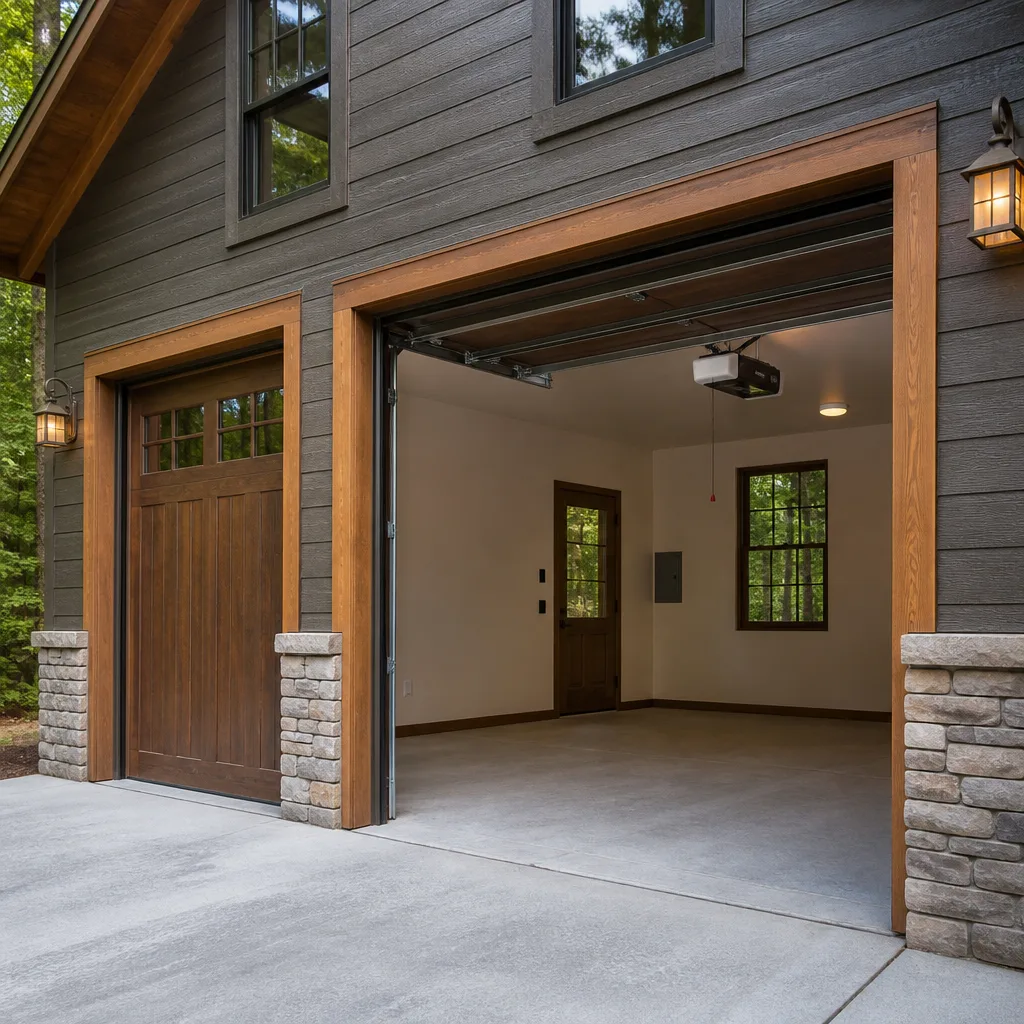 LiftMaster openers
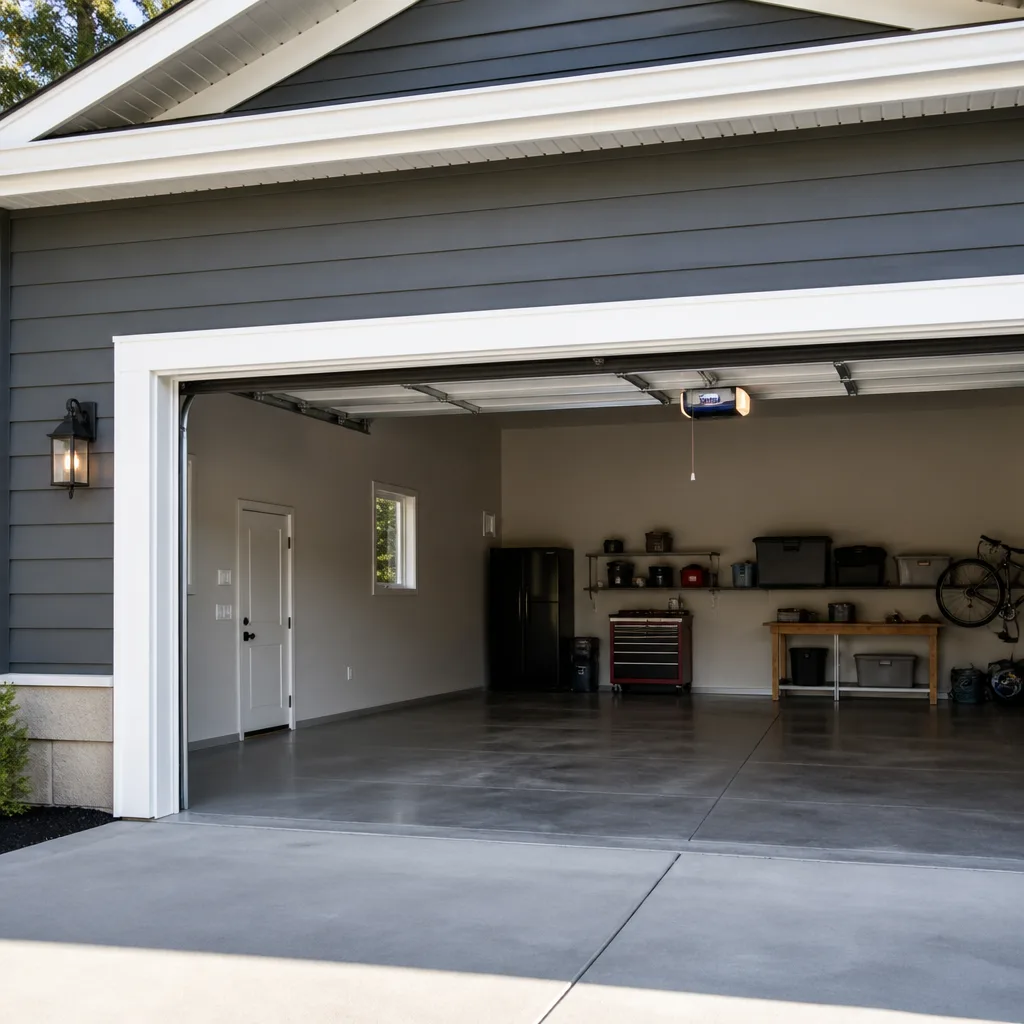 Chamberlain openers
Full 25-point door and opener safety check with every visit - springs, cables, rollers, tracks, and your LiftMaster or Chamberlain opener included
You get a price before we start. It does not change when the truck arrives.
Get your free estimateGarage Door Warning Signs: An Arcadia Homeowner’s Reference Guide
A garage door that hesitates for two seconds before closing feels like a minor inconvenience – until it’s the warning sign of a torsion spring at the end of its cycle life, which doesn’t fail gradually, it fails all at once. In Arcadia, where attached garages are the norm and many homes use the garage as a primary entry point, that failure can mean a door that won’t open, a car trapped inside, and a 150-pound slab of steel hanging over your head. Most guides list the same five obvious symptoms. This one organizes warning signs by urgency tier so you know the difference between schedule this week and stop using the door right now. Here’s what you’ll learn: which symptoms demand immediate attention, which ones point to specific mechanical problems, and which ones you can monitor before calling for garage door repair.
Quick Answer
The most serious garage door warning signs in Arcadia are a visible gap in a torsion spring, slack or frayed cables, and a door that sits off-track – these mean stop using the door and call a technician today. Less urgent signs include slow door response, an uneven gap where the door meets the floor, and a running opener with a door that won’t move, which should be scheduled within the week. Noise changes that develop gradually can often be monitored while you plan a service call.
Styles & brands we work with
- Raised-panel steel
- Carriage house
- Modern flush
- Full-view glass
- LiftMaster openers
- Chamberlain openers
Table of Contents
- Tier 1 Warning Signs: Stop Using the Door Now
- Tier 2 Warning Signs: Schedule Service This Week
- Tier 3 Warning Signs: Monitor and Schedule
- Visual Identification Guide by Door Brand
- What Not to DIY-Troubleshoot (And Why)
- Common Mistakes to Avoid
- When to Call a Professional
- Frequently Asked Questions
Tier 1 Warning Signs: Stop Using the Door Now
These three symptoms indicate that one of the door’s load-bearing or guidance systems has failed or is about to. Continuing to operate the door when any of them is present risks the door falling off its tracks, a cable snapping under tension, or a spring releasing stored energy. If you see any of these in your Arcadia garage, stop using the door, unplug the opener if you can safely reach the cord, and call us at (888) 495-0121. We answer 24/7, and a technician can be dispatched from 7am to 7pm, Sunday through Friday.
1. A Visible Gap in a Torsion Spring
Torsion springs are the long, coiled springs mounted on a metal bar above the garage door opening. Each standard residential torsion spring is rated for roughly 10,000 cycles, with one cycle being a single open or close operation. That sounds like a lot until you do the math: a household opening and closing the door four times a day accumulates about 1,500 cycles a year, meaning a typical spring lasts around six to eight years. When a spring reaches the end of its rated life, it doesn’t weaken gradually the way a car battery drains. It fails catastrophically, snapping into two pieces. Sometimes the break is audible as a loud bang that homeowners mistake for a car backfiring or something falling on the roof. Other times the only clue is a visible gap: you can see daylight through a two-inch separation between coil sections.
Here’s the safety issue. A torsion spring stores an enormous amount of mechanical energy, even when the door is closed. That energy is what lifts the weight of the door so a small opener motor can do its job. When the spring breaks, all lifting force disappears instantly. If you then try to operate the door with the opener, the motor strains against the full, unassisted weight of a 150 to 400 pound door panel. The cable can slip, the door can fall, and anyone standing underneath is in serious danger.
What to do: Do not operate the door manually or with the opener. Do not try to pull the emergency release cord. Call for garage door repair immediately. A trained technician will replace both springs as a matched pair, because the surviving spring is the same age and has the same cycle count, and it will fail next.
2. Slack or Frayed Lift Cables
The lift cables run vertically along both sides of the door, connecting the bottom brackets to the cable drums at the top. They do the actual lifting under spring tension. On a functioning door, the cables are taut at all times, whether the door is open or closed. If you see a cable that sags, if you can wiggle a cable with your finger, or if you see broken wire strands poking out from the cable body, the cable has lost tension or is failing strand by strand.
Slack cable means the spring system is not pulling correctly, or the cable has jumped off its drum. Frayed cable means the cable is actively losing load-bearing strands. Both conditions create the same risk: the door is no longer balanced, so it can drop without warning. A cable that snaps while the door is moving can allow one side of the door to fall faster than the other, twisting the panel and pulling the door off its tracks.
What to do: Do not try to re-seat the cable yourself. Cables are under the same spring tension that makes torsion springs dangerous, and a cable that slips while your hand is near the drum can cause serious injury. Close the door if it is open and resting safely, unplug the opener, and call us at (888) 495-0121.
3. The Door Is Off Its Tracks
Metal rollers ride inside vertical and horizontal tracks that guide the door along a precise path. When rollers jump the track, the door tilts, binds, and can slide sideways off its supports. You’ll typically see the problem before you feel it: one side of the door sits lower than the other, the tracks look bent or bowed, or the rollers are visibly outside the track channel.
A door that has come off its tracks cannot support its own weight. Every further attempt to operate it drags the rollers against the track edge, bends the track further, and stresses the brackets that hold the rails to the wall. In severe cases, the entire door assembly can detach from the ceiling and fall inward or outward.
What to do: Stop using the door. Don’t attempt to push it back into place by hand. The angle of the door under tension makes the lower corner a pinch point, and the rollers need to be guided, not forced. A trained technician will reset the door, inspect the track alignment, and determine whether the incident bent any hardware that needs replacement.
Tier 2 Warning Signs: Schedule Service This Week
These symptoms do not pose an immediate safety threat, but they indicate that something in the system is wearing, misaligned, or starting to fail. Left alone, each can progress into a Tier 1 problem, and the repair will cost more when it happens.
1. Slow Response Time
When you press the wall button or remote, a healthy garage door starts moving within half a second to a full second. A door that waits three or four seconds before responding, or one that stumbles before engaging, is telling you something. Common causes include a worn opener gear, a failing capacitor on the opener’s control board, low voltage to the motor, or a photo-eye that has drifted out of alignment, forcing the opener to process conflicting signals before moving.
The mechanical distinction matters for the repair. A slow response from a chain-drive opener with a visible chain is often a loose or worn sprocket. A slow response from a belt-drive opener is more likely electronic, involving the logic board or travel limits. Because we service LiftMaster, Chamberlain, Genie, and other major brands, our technicians recognize the failure patterns that are specific to each opener family rather than guessing at a generic cause.
What to do: Note whether the delay happens with the wall button, the remote, or both. That information narrows the diagnosis quickly. Schedule a service call. If you’re in Arcadia, call (888) 495-0121 for a free estimate.
2. Uneven Gap at the Floor
With the door fully closed, run your eyes along the seam where the bottom of the door meets the garage slab. A properly adjusted door sits evenly, with the rubber weather seal touching the floor along the full width. If you see daylight under one corner, or if one side touches while the other floats a quarter-inch above the concrete, the door has a tension imbalance.
Often this is an early sign of spring fatigue. One spring (on a two-spring system) has begun to lose its rated strength, so it’s lifting its side of the door less effectively than the other. Or the cable on one side has stretched slightly. Either way, the imbalance forces the opener motor to work harder on every cycle, which shortens motor life and pulls the door subtly out of square.
In Arcadia, where many homes have attached garages built with slab-on-grade construction, even minor slab settling can also shift the door frame relative to the tracks. A technician can distinguish between a frame issue and a spring issue in the first few minutes of the visit, because the fix is completely different.
What to do: This is a schedule-within-the-week item. The door still works, but each cycle adds wear to the opener, the cables, and the hinges. Weights shift, and what starts as a cosmetic gap becomes a binding door. Call us at (888) 495-0121 to book a diagnosis.
3. Opener Runs But the Door Does Not Move
You press the remote. The opener motor hums for a second or two. The door stays put. Or the opener runs, and the door shudders slightly but does not lift.
There are three common explanations, and they live in different mechanical systems. First, the emergency release cord has been pulled, disconnecting the opener carriage from the door. The motor runs freely, and the door stays down. This is easily reconnected by a technician in minutes. Second, the opener carriage or gear has stripped. On older chain-drive openers, the drive gear is plastic, and it eventually wears smooth. The motor spins, but the chain no longer moves. Third, a broken spring has already failed, and the opener is still trying to lift. This is the dangerous version, because the door is not being held by the spring system, and the opener may be fighting a dead load it cannot lift.
Because the symptom crosses systems, it’s worth having garage door opener repair performed by a technician who understands both the opener and the door. At Garage Door Service Arcadia, the same specialist who diagnoses the opener will also check the spring tension, the cables, and the track alignment before buttoning anything up.
What to do: Do not keep pressing the remote. If the door is the problem, every cycle stresses the failing component further. This is a schedule-today-or-tomorrow call.
Tier 3 Warning Signs: Monitor and Schedule
Some warning signs are not failures yet. They are changes that tell you a component is wearing and will need replacement within the next several months. The key with Tier 3 signs is to distinguish between cosmetic changes and meaningful wear patterns, and to respond at the right time rather than waiting for the failure.
Noise Changes and What They Mean
A garage door is never silent, but every healthy door has a specific sound profile. When the sound profile changes, the change in character is more diagnostic than the volume. Here’s a practical noise map:
Grinding or rubbing sound when the door moves: Usually the rollers. Nylon rollers wear smooth over years of service, and once the roller surface flattens, the roller body scrapes against the track. If you have metal rollers, the ball bearings inside can seize, and the roller skids instead of rolling.
Squeaking or chirping at a regular rhythm when the door moves: Hinges. Each hinge joint is a metal pin in a metal barrel. Over time, lubrication dries out and the surfaces grind. A rhythmic squeak that matches the door’s panel-by-panel motion as it rounds the curved section of track is almost always hinge wear.
Chatter or rattle from the opener when running with the door disconnected: On a chain-drive opener, a loose chain slaps against the rail. The chain stretches over time, and when it exceeds the tension spec, it starts to rattle. The fix is chain re-tensioning, not replacement, but it matters because a chain that is too loose will eventually jump a sprocket.
Popping or creaking from the spring bar: This is tension shifting inside the spring or the spring’s mounting bearing. A small amount of creak on a cold morning is not usually a problem, but persistent popping on every cycle means the spring’s internal friction is increasing, which often precedes breakage.
What to do: If the noise is new, note when it happens (moving up, moving down, or both), and whether it matches the panel speed or the opener speed. Then call for a diagnosis when your schedule allows. We work on every major brand you’re likely to have, including Wayne Dalton, Craftsman, Raynor, and LiftMaster, so the same technician can address the door and the opener in one visit.
Visual Identification Guide by Door Brand
Arcadia’s housing stock spans many decades, and the garage doors in town reflect that range. You’ll see everything from 1990s steel pan doors with visible rib patterns to modern insulated doors with smooth steel faces and decorative glass. Knowing your door brand helps you describe symptoms accurately, and it helps a technician show up prepared. Here’s where brand-specific failure points tend to show up first on four common door lines in the Arcadia area.
Wayne Dalton
Wayne Dalton doors, especially the raised-panel steel models common in late-1990s and early-2000s Arcadia homes, are known for two specific issues. First, the bottom weather seal retainer is aluminum and can corrode where it contacts concrete, causing the seal to pull away and the door to develop a visible daylight gap at the floor. Second, on models with internal torsion spring systems, the spring and drum assembly is mounted inside the door casing rather than above the opening, which makes spring inspection less obvious from the ground. If you have a Wayne Dalton door, crouch at the center of the opening and look up when the door is closed. A visible gap in the casing seam above the door can indicate internal spring trouble.
Craftsman
Craftsman garage door openers are among the most commonly installed units in Southern California homes, but Craftsman-brand doors are less common than the opener name. When we do see a Craftsman door, the failure point is usually the roller stems. The stamped steel roller stems bend under repeated impact when the door travels off-square, and once a stem bends, the roller hangs at an angle and wears the track edge. Homeowners notice a rhythmic clicking as the bent stem passes certain track points. The fix is roller replacement, which is straightforward when caught early.
Raynor
Raynor doors in Arcadia tend to be the higher-end steel or aluminum models. The brand-specific weak point is the hinge-to-stile connection. Raynor doors use a particular stile profile, and over years of operation, the self-tapping screws that hold the hinge plates to the stiles can loosen slightly. The first sign is a subtle sag in the door panel’s horizontal alignment, often visible as a wider gap on one side of the panel seam. Re-tightening and replacing stripped screws is a routine fix, but ignoring the sag means the panel flexes under load, which eventually cracks the panel skin.
LiftMaster
When it comes to openers, LiftMaster has a strong presence in Arcadia, often installed by builders during construction. LiftMaster’s travel-limit mechanism is the part we see most often fail, because it relies on an electronic sensor that can drift as the opener’s logic board ages. The symptom is specific: the opener runs, and the door moves, but it stops before fully opening or closing, or it reverses immediately after hitting the floor. No amount of remote-button pressing solves it, because the opener is actively measuring the wrong travel distance. It’s a garage door opener repair that involves resetting or replacing the travel-limit module, and it’s one we handle routinely.
What Not to DIY-Troubleshoot (And Why)
This section is the shortest path to avoiding an injury. Some warning signs look like simple handyman projects. They are not. The reason is not that we want you to call us for everything. It’s that certain garage door components store enough kinetic or potential energy to remove fingers, break bones, or drop the door on you without warning. Here’s what not to touch, and the mechanical reason why.
1. Torsion or Extension Springs
We said it earlier and we’ll repeat it: a torsion spring is one of the most dangerous residential components in any home. It stores hundreds of pounds of lifting force in a compressed coil. Attempting to adjust, remove, or replace a spring requires specialized winding bars, precise tension calculations, and an understanding of how the spring balance affects every other component. A spring that unloads unexpectedly releases that energy into the winding bar, which becomes a projectile. Do not touch the springs. This is the single highest-risk DIY project in the garage, and every professional training manual says the same thing.
2. Lift Cables
Cables are under full spring tension even when the door is closed. The tension is not visible, which makes it more dangerous, not less. A homeowner who sees a loose cable and tries to re-seat it by hand is placing fingers within inches of a drum that can rotate violently if the cable suddenly loads. The cable and drum system is adjusted as a unit with the springs. One component cannot be corrected independently.
3. Track Re-Alignment Under Load
A door that has jumped its track is under uneven tension. The panel is leaning against the track, the cables are pulling at different angles, and the rollers are pinched. Attempting to pry the door back into place with a crowbar, or hammering a track straight while the door rests against it, can release the binding suddenly. When the door shifts, it moves fast, and it weighs more than you do. Track work is done with the door locked in position and the tension relieved, not with a homeowner’s tools on a Sunday.
4. Opener Gearbox Rebuilds
Most modern opener gearboxes are not rebuildable. They are sealed units meant for replacement. But on older chain-drive openers, the top gear is accessible with a few bolts, and some homeowners try to replace it themselves. The problem is the logic board and safety sensor system are calibrated to the specific gear ratio and travel distance. Turning the gear by hand while the unit is powered, or reinstalling the gear with the wrong alignment, can make the door run away to the limits and jam violently. If the opener gear has stripped, have it replaced by someone who will also check why it stripped, because a worn gear is often a symptom of a door that has lost its spring balance.
Common Mistakes to Avoid
- Lubricating a noisy door with WD-40. WD-40 is a water displacer, not a lubricant. It dissolves the remaining grease on rollers and hinges, making the grinding worse within weeks. Use a garage-door-specific silicone or lithium spray on rollers and hinges only, or let your technician lubricate as part of a service visit.
- Ignoring a broken spring on one side of a two-spring door. Some homeowners think they can install one replacement spring and save money. The springs are rated as a pair, and the old spring on the other side is the same age and cycle count. Replace both or you’ll be calling again within months for the same job.
- Testing the door after a loud bang. That bang was likely a torsion spring snapping. Then you pressed the opener, and the motor strained against the full dead weight of the door. Every such cycle risks the cable slipping and the door falling. After a bang, don’t operate the door at all, call a technician at (888) 495-0121.
- Adjusting the opener’s force settings to fix a binding door. Some openers have force-adjustment dials, and some homeowners crank them up when the door starts reversing. Raising the force setting masks the underlying issue and turns a garage door into a pinch-point hazard. If the door needs more force than it once did, something has changed mechanically.
- Leaving the disengage cord pulled after a power outage. In Arcadia, wind events can occasionally cause brief power flickers. Some homeowners pull the red emergency cord to open the door manually during an outage, then forget to re-engage the carriage. The next time the opener runs, the motor spins without moving the door, and the garage is left unlocked. Re-engaging is usually simple, but a technician can do it in minutes as part of a service call.
- Assuming a new door fixes an old opener problem. We see this in Arcadia more than you’d think: a homeowner replaces the door because the old one seemed heavy and slow, but the opener was the failing component. The new door goes on, the opener still can’t handle it, and the homeowner has spent money on the wrong fix. Have the system diagnosed before replacing anything.
When to Call a Professional
Call a professional the moment you see a broken spring, a frayed or slack cable, or a door off its track. Those are not symptoms to watch. They are present-tense failures with real physical risk. Call within a week for slow response, an uneven floor gap, or an opener that runs without moving the door, because those issues compound into more expensive repairs when ignored. Call whenever a new noise appears and you can’t confidently map it to a roller, hinge, or opener source – a trained ear costs less than a failed component. Garage Door Service Arcadia offers free estimates in Arcadia. Call (888) 495-0121 to describe what you’re seeing. We answer 24/7. Fast dispatch from 7am to 7pm, Sunday through Friday.
Frequently Asked Questions
Torsion springs fail when they reach the end of their rated cycle life, typically around 10,000 open-close cycles, which works out to roughly six to eight years of normal use. The failure is sudden because the spring’s steel fatigues internally over time, then parts at a weak point when the tension is released too far. There is no gradual warning other than occasional popping sounds or the spring’s coils showing a gap before the break.
Garage door spring replacement in Arcadia is priced per job by the written estimate, because the cost depends on the door’s size, the spring type, and whether one or both springs are replaced. A torsion spring replacement includes the spring, installation, and a balance test to verify the door opens and closes evenly. Call (888) 495-0121 for a free estimate, and the price is quoted and agreed before any work begins.
No. Torsion springs hold hundreds of pounds of stored mechanical force, and the winding procedure requires specialized tools and training. A spring that releases unexpectedly can cause severe injury. This is the one garage door repair that we consistently tell Arcadia homeowners never to attempt themselves, and the same warning appears in professional training manuals for the trade.
A crooked door usually means the cable tension is uneven, typically because one spring has weakened or a cable has stretched. The door binds on one side, which wears the rollers and tracks unevenly. If the problem appears suddenly, it may be a cable that has slipped on its drum. Stop using the door and schedule a service call before the binding worsens.
We service the major brands you’ll find on Arcadia homes, including Wayne Dalton, Craftsman, Raynor, and LiftMaster, along with other common residential lines. Our technicians are familiar with the specific failure points on each brand, so the diagnosis is often faster and the repair uses the correct part for the door you have. We work on the brand you already have rather than trying to sell you a different one.
Most common repairs, including spring replacement, cable re-seating, and roller or hinge replacement, are completed in a single visit of a few hours. The exact time depends on the diagnosis and the parts needed, and your technician will give you a written estimate with the scope of work before anything starts. Call (888) 495-0121 and describe the symptom, and we’ll tell you what to expect.
The Bottom Line
Garage door warning signs are not random. They are early communication from a mechanical system that wants to keep working but is telling you something is wearing out. The biggest mistake a homeowner can make is to normalize the symptoms: the slight hesitation, the new grinding sound, the door that reverses for no reason. In Arcadia, where the garage is often the first door you enter after a commute or a costco run, a door that fails is not a minor inconvenience – it’s a blocked entry, a stuck car, or a safety risk. Learn the three tiers. Respect the danger in springs and cables. Call before the door makes the decision for you. We work on the brand you already have, from broken spring to full installation, and the estimate is free. Call (888) 495-0121 and tell us what you’re seeing. We answer 24/7. Fast dispatch from 7am to 7pm, Sunday through Friday.
Written by the team at Garage Door Service Arcadia, serving Arcadia since 2018.
See the difference
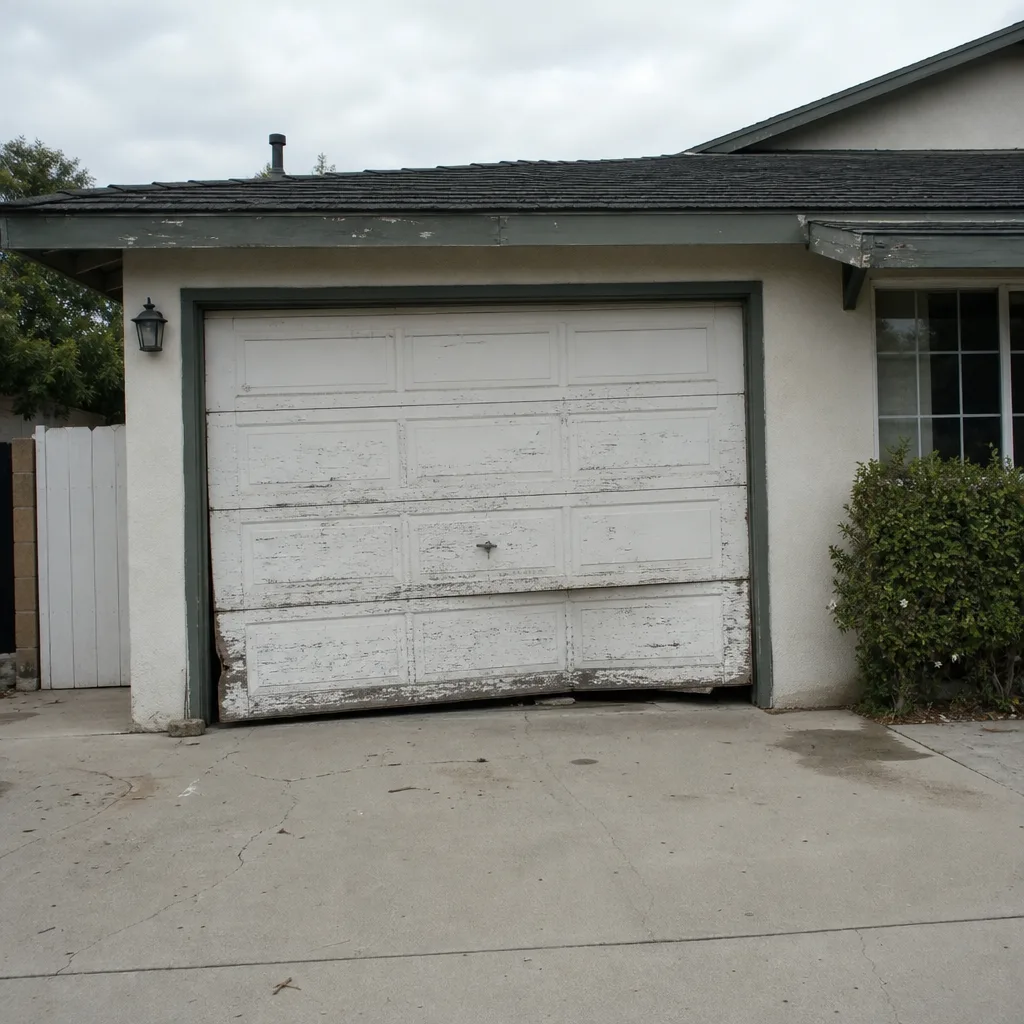 Before
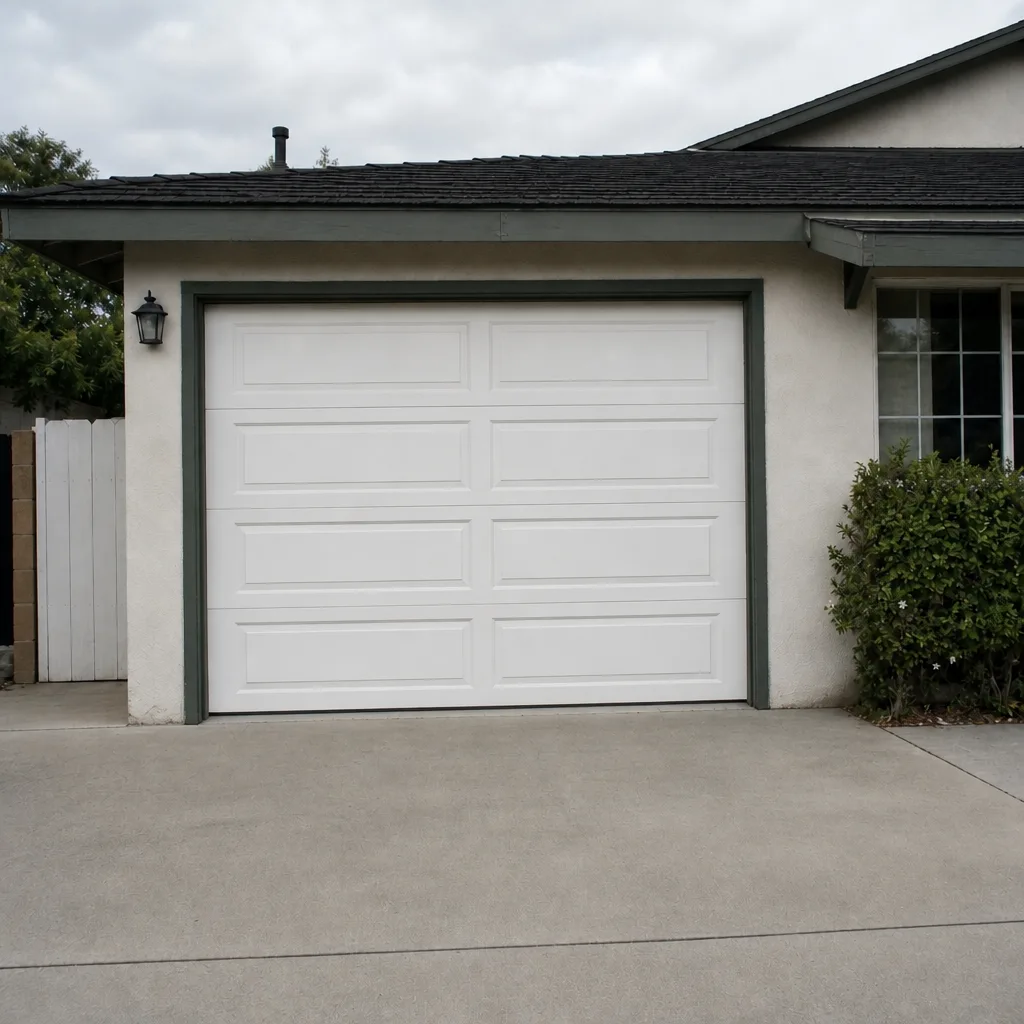 After
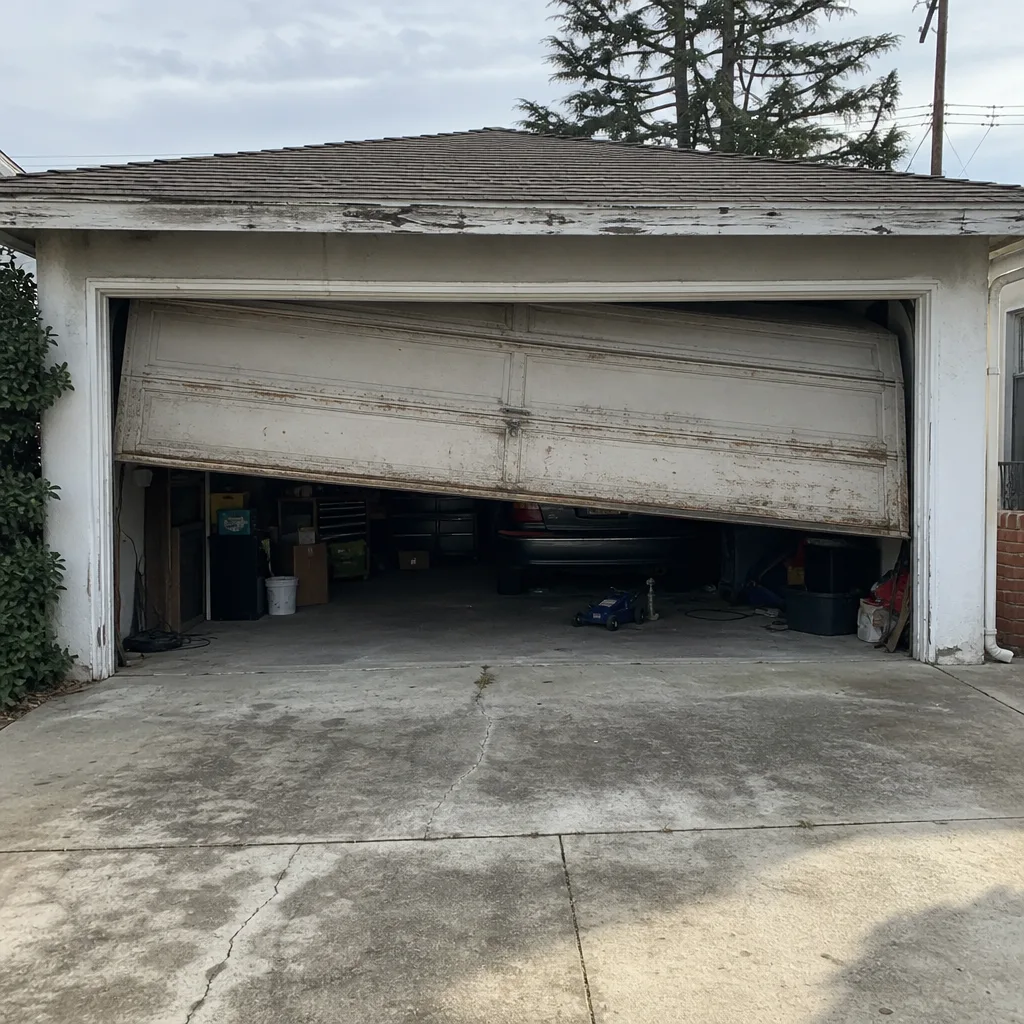 Before
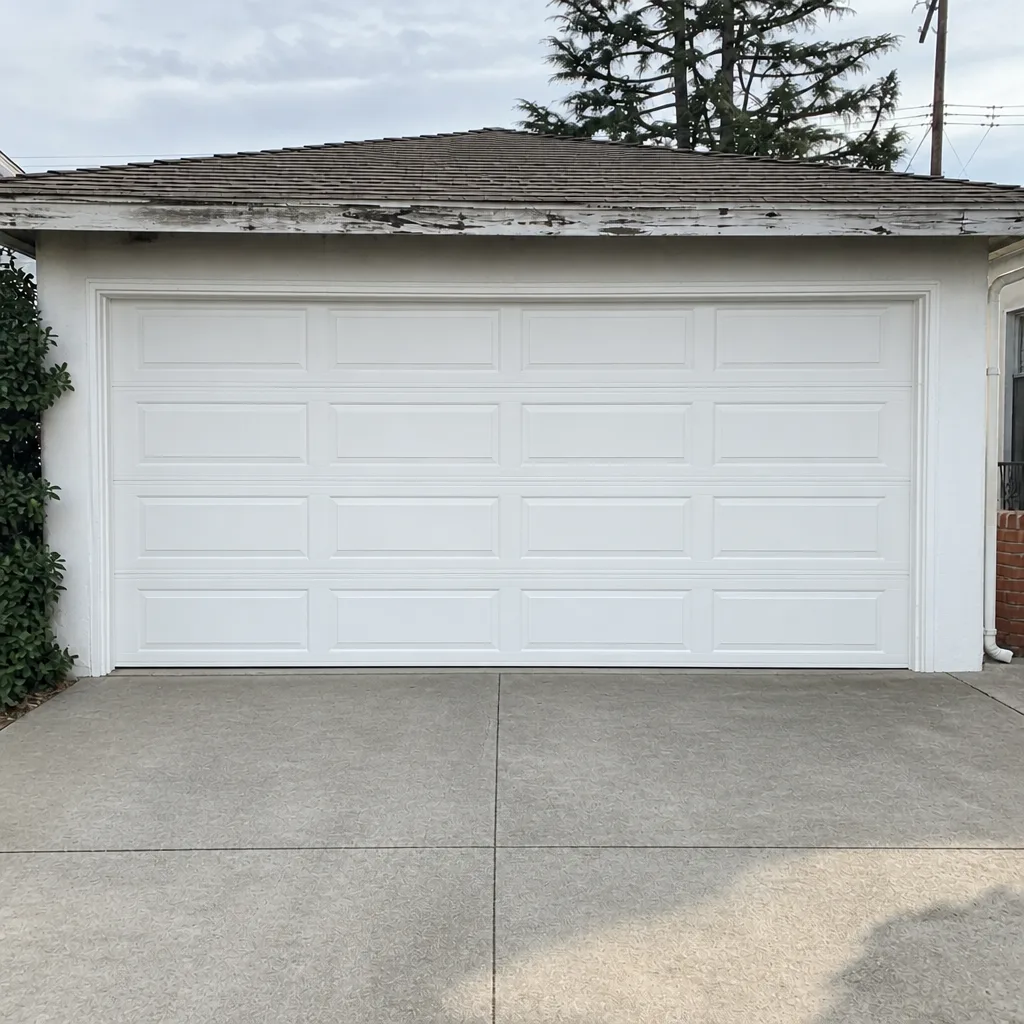 After
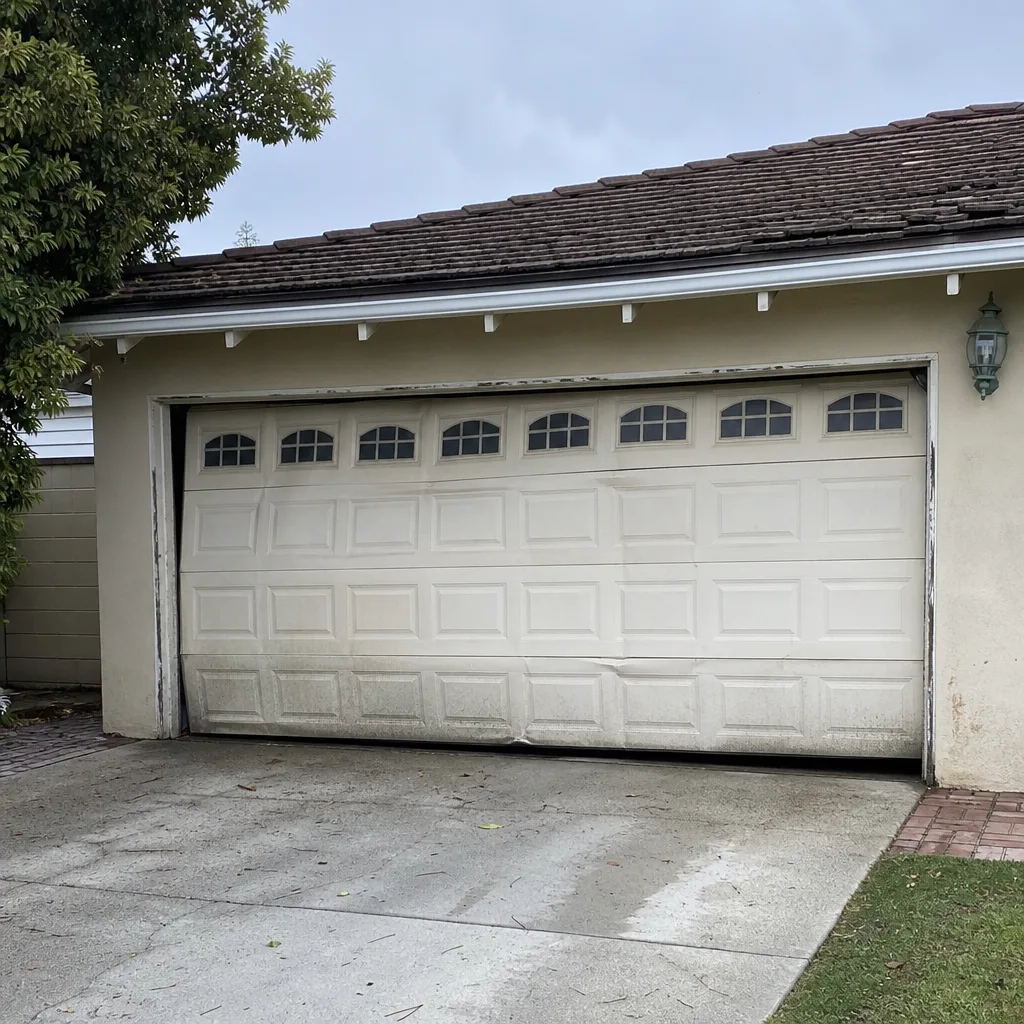 Before
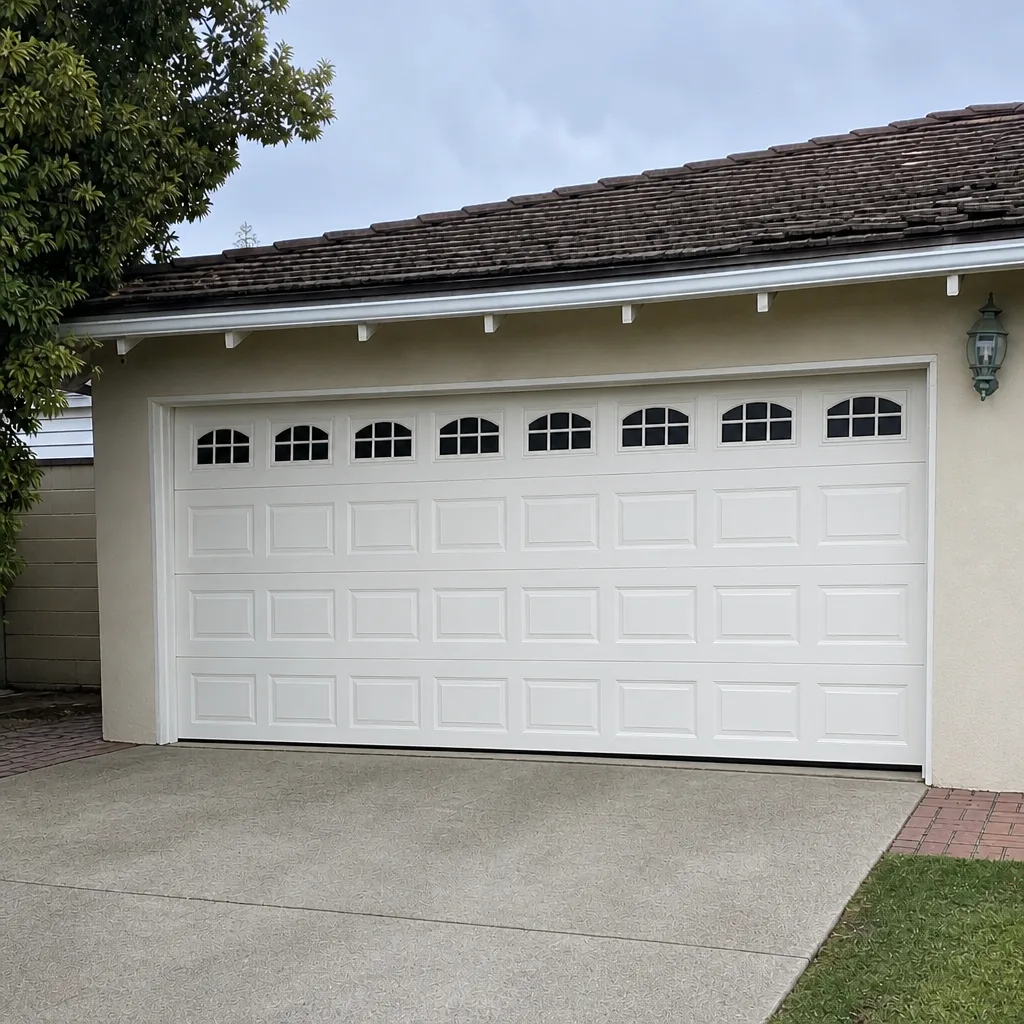 After