
Last updated November 4, 2026
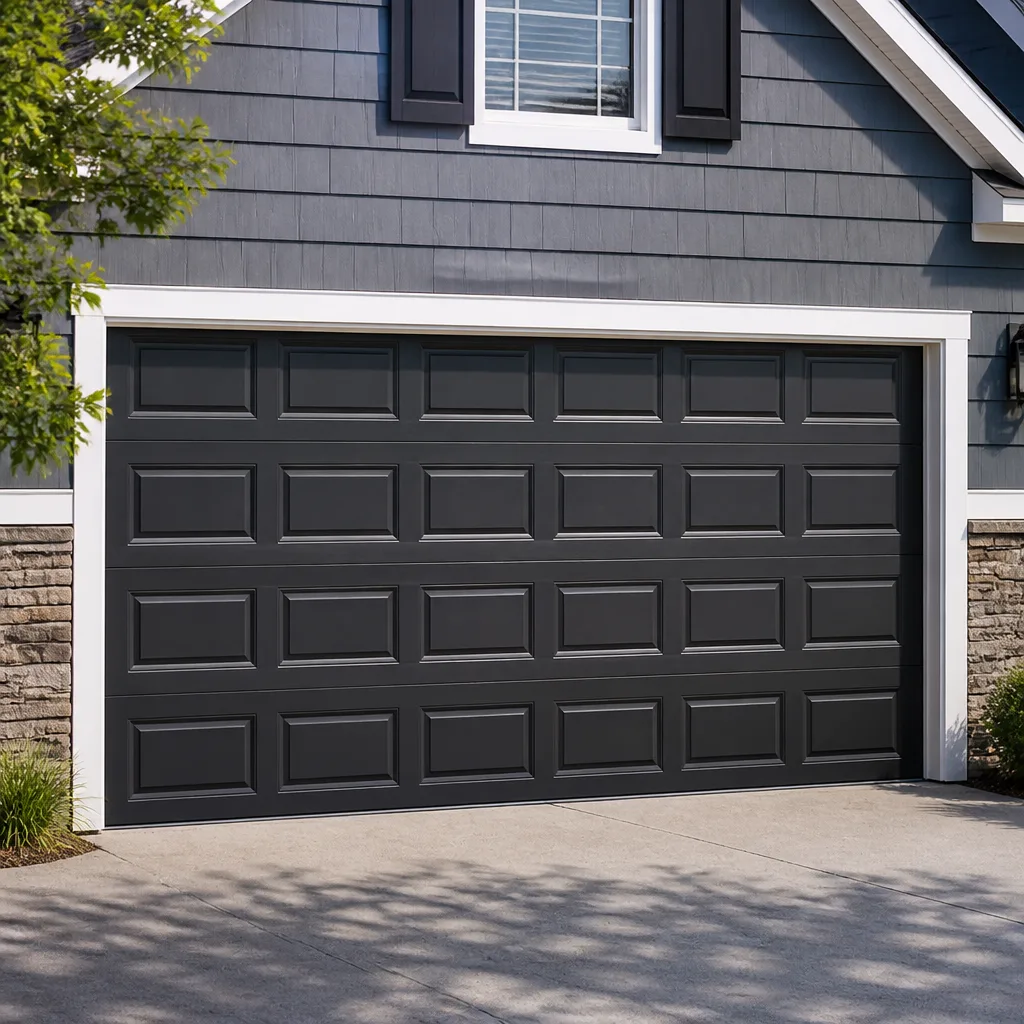 Raised-panel steel
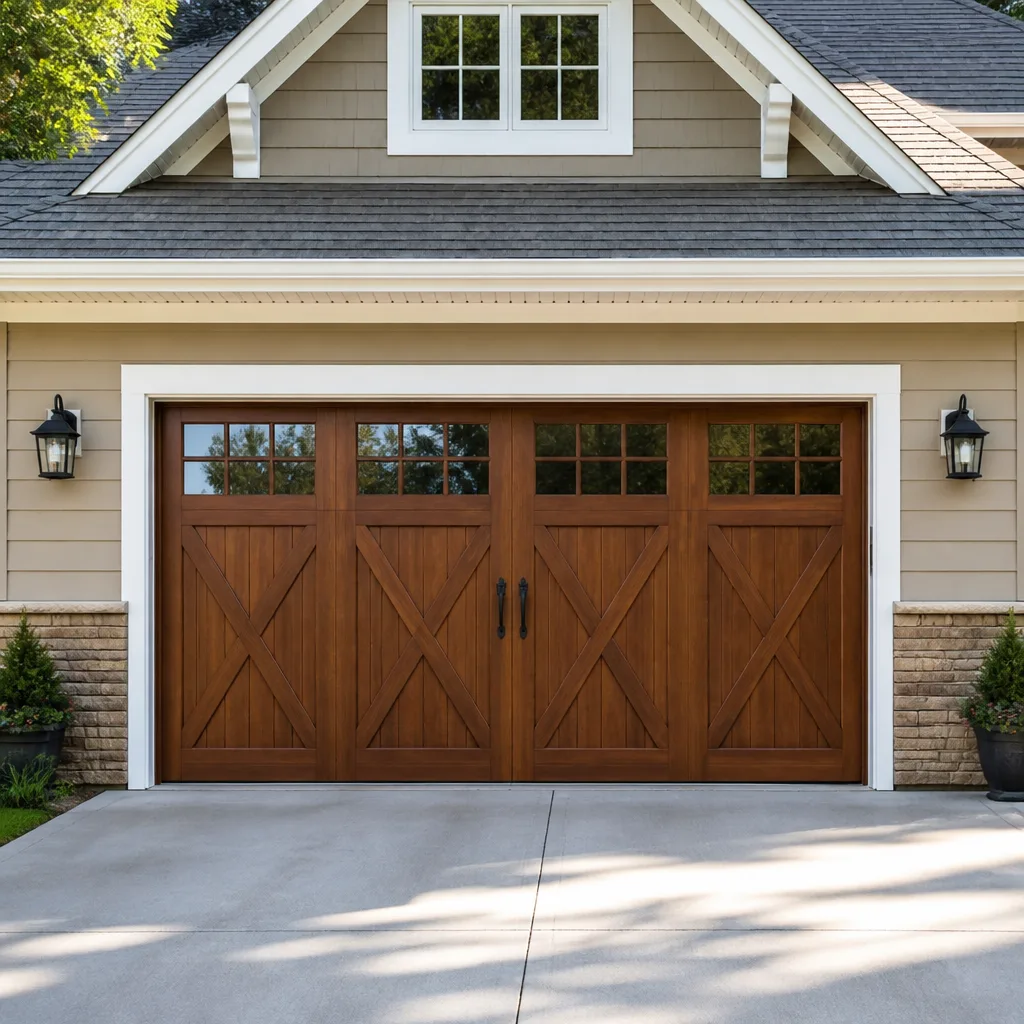 Carriage house
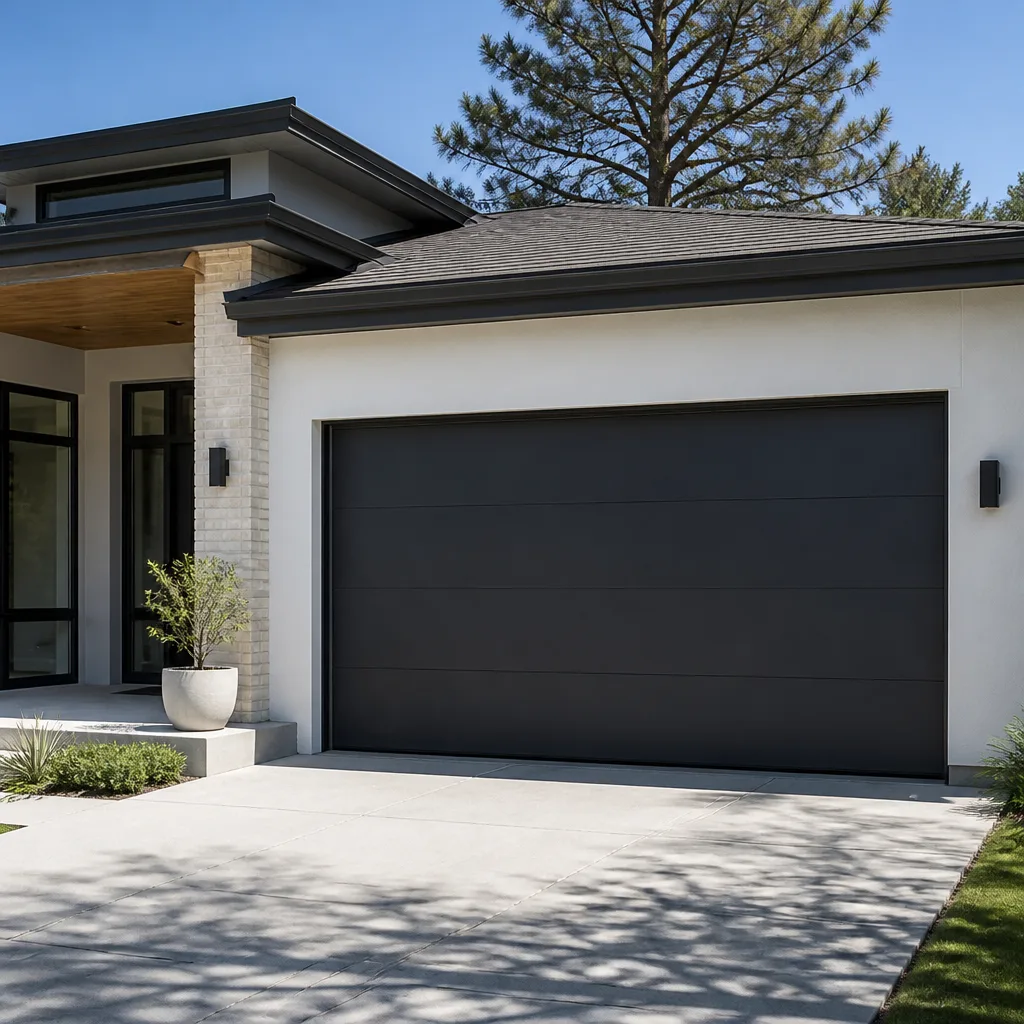 Modern flush
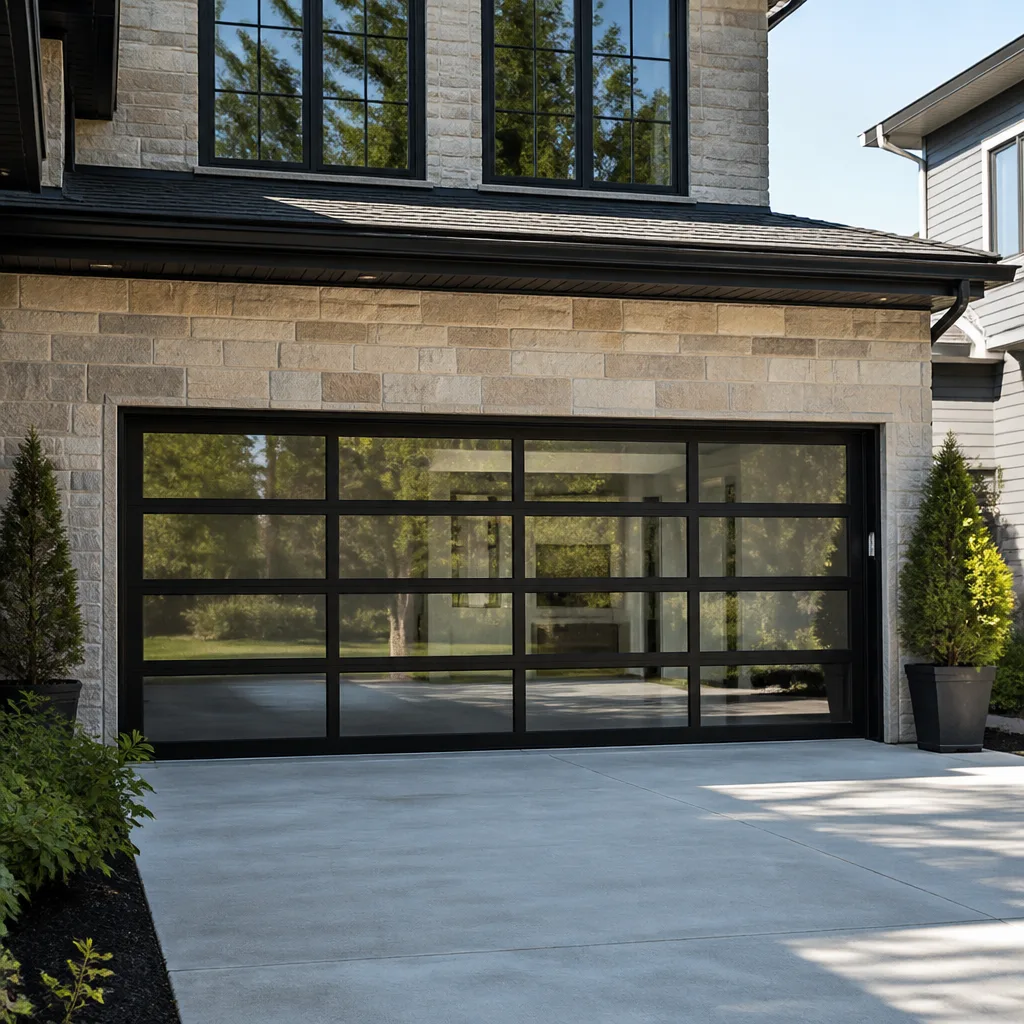 Full-view glass
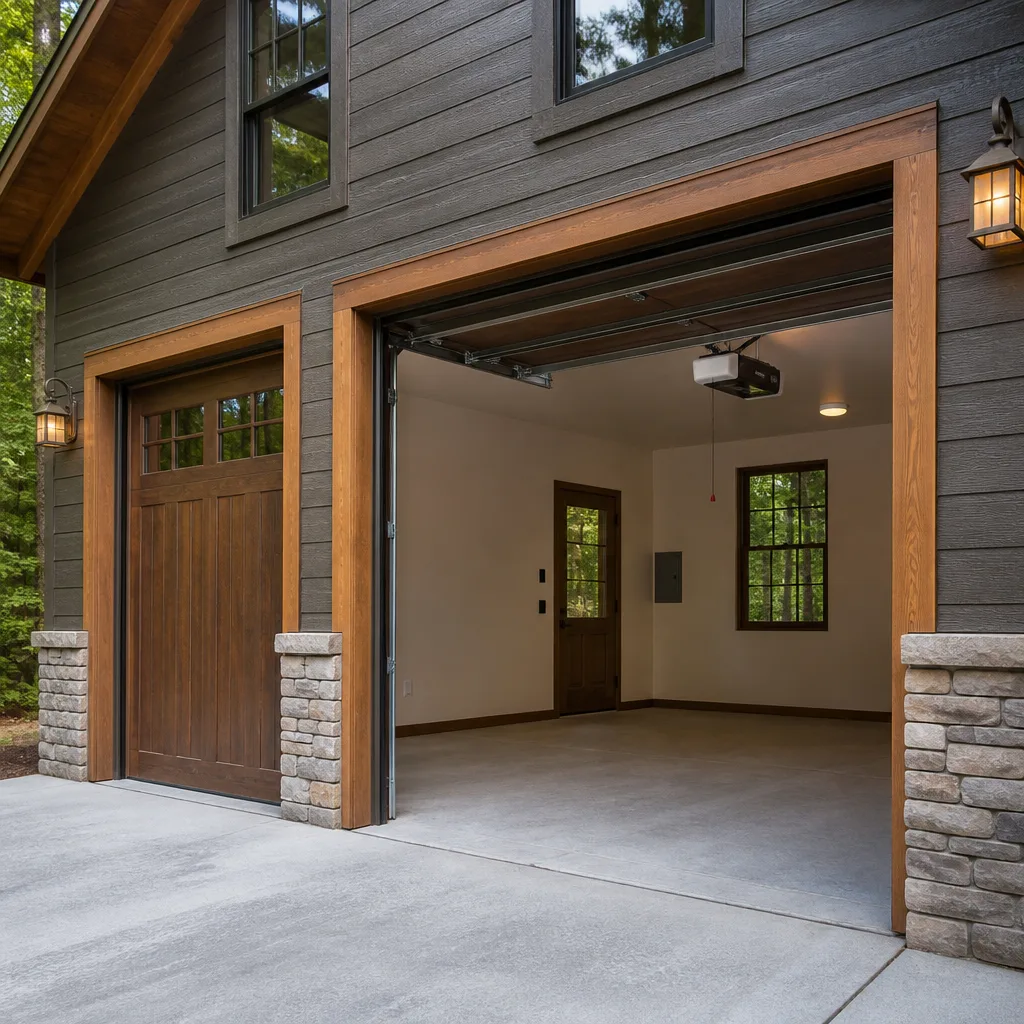 LiftMaster openers
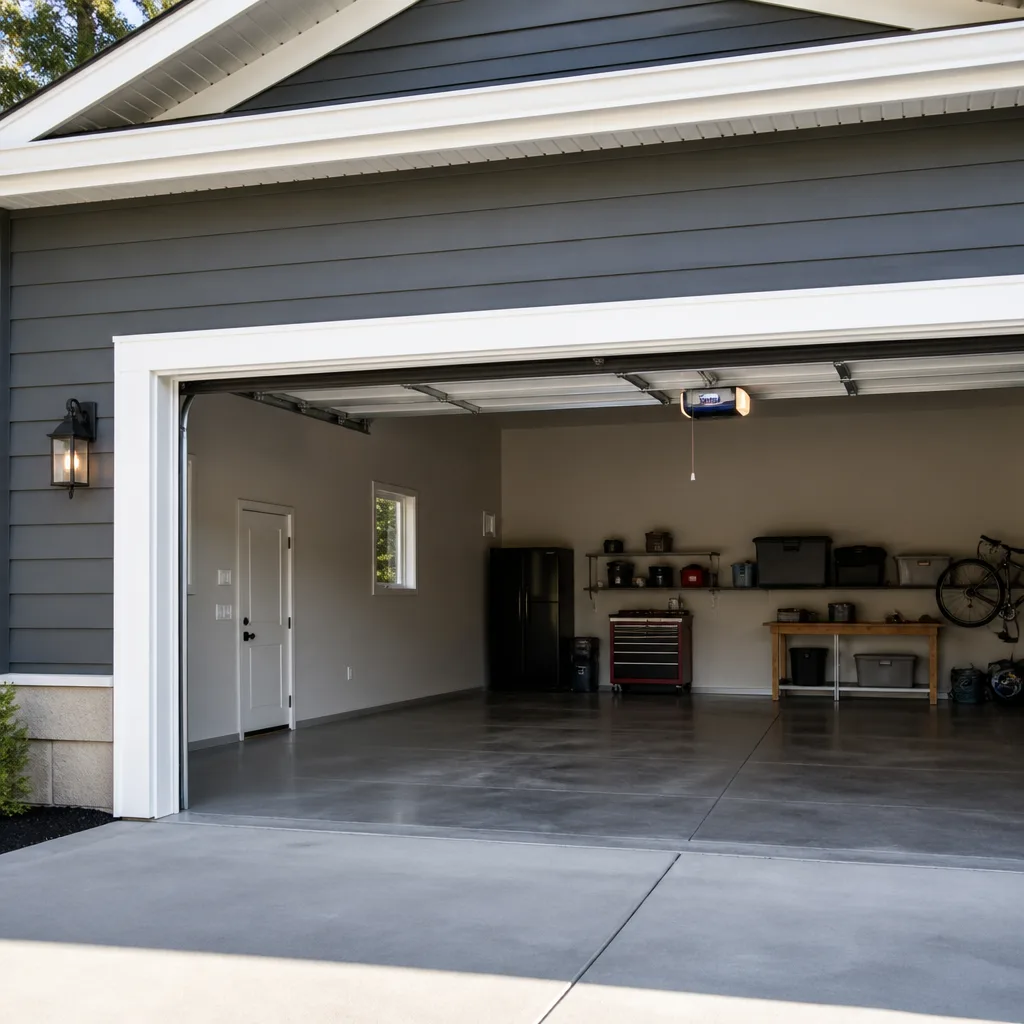 Chamberlain openers
Full 25-point door and opener safety check with every visit - springs, cables, rollers, tracks, and your LiftMaster or Chamberlain opener included
You get a price before we start. It does not change when the truck arrives.
Get your free estimateSeasonal Garage Door Care for Arcadia: Year-Round Homeowner’s Guide
Southern California garages seem like they should be maintenance-free. The weather rarely dips below freezing, snow is nonexistent, and nobody worries about road salt eating away at the bottom panels. But that assumption is exactly why so many Arcadia homeowners discover cracked bottom seals in January, a garage door opener that overheats in August, and cables that have been silently fraying through every Santa Ana wind event since October. The idea that mild weather means no seasonal maintenance is the single most expensive misconception in local garage door care.
This guide breaks down the three mechanical stress periods that actually shape garage door wear in Arcadia: fall Santa Ana winds, winter rain stretches, and the summer heat plateau. Each one degrades a different set of components in predictable, preventable ways. You’ll learn what to check each month, what’s safe to handle yourself, and what genuinely needs a garage door repair technician.
Quick Answer
Seasonal garage door care in Arcadia means preparing for three specific weather patterns: Santa Ana wind season (fall), wet El Niño stretches (winter), and sustained heat (summer). Most homeowners should inspect the bottom seal, cable tension, and track alignment before October, clear debris and check for rust after the rains end in spring, and watch for opener overheating and spring fatigue from June through September. A twice-yearly professional inspection catches small problems before they become expensive failures.
Styles & brands we work with
- Raised-panel steel
- Carriage house
- Modern flush
- Full-view glass
- LiftMaster openers
- Chamberlain openers
Table of Contents
- Fall: Santa Ana Wind Readiness
- Winter: Wet Weather and Wood Components
- Spring: Post-Rain Track and Hardware Inspection
- Summer: Heat Stress on Springs and Openers
- Month-by-Month Maintenance Calendar for Arcadia
- Brand-Specific Care Considerations
- Common Mistakes to Avoid
- When to Call a Professional
- Frequently Asked Questions
Fall: Santa Ana Wind Readiness
October through December brings Arcadia’s most consistent high-wind events. Santa Ana winds regularly gust hard enough to rattle a garage door in its tracks, and the inward pressure on a large door panel is considerable. A garage door that’s even slightly out of balance becomes noticeably harder to operate during these stretches, and that’s the period when we see cable problems surface most often in Arcadia.
The two components that deserve attention before wind season are the lifting cables and the bottom weather seal. Cables on a balanced door share the load evenly with the springs. When the door is out of balance, one cable carries more tension than the other, and sustained wind pressure against the door face adds another layer of stress. A frayed cable that survives calm weather can let go after a few windy nights, which leaves the door jammed in its tracks.
Cable tension is not a do-it-yourself adjustment. The cables work under high spring tension, and a cable that slips while you’re working around it can cause serious injury. What you can safely do is look for visible fraying along the cable length, watch for the door sitting unevenly when closed, and listen for unusual grinding noises. If any of those show up, schedule a garage door repair before the next high-wind forecast.
The bottom seal is the other pre-wind priority. A cracked or compressed bottom seal doesn’t just let in dust and leaves; it also lets the door rattle against the slab, and that rattling vibration works its way into every hinge and roller over time. During a sustained Santa Ana event, small vibrations become fatiguing for hardware that’s already slightly loose. Replacing a worn bottom seal is a planned, 30-minute job for a homeowner with the right replacement strip, but confirming the door is balanced before you replace it matters more. A door that’s out of balance wears out a new seal unevenly, and then you’re replacing it twice a year instead of once.
Winter: Wet Weather and Wood Components
Arcadia’s winter rain stretches, especially during a strong El Niño pattern, are more persistent than many homeowners expect. Days of intermittent rain with heavy downpours in between put real moisture against the bottom panels of garage doors and against the wooden frame around the opening. For homes with wood composite panels or painted wood garage door frames, this is the season when swelling starts to show up as tight operation and sticking along the jamb.
Wood composite and wood-frame door systems absorb moisture unevenly. The bottom six inches of the door sees the most direct water exposure, while the top corners dry faster. That differential creates subtle warping that interferes with the door’s travel path. You’ll notice it as a door that hesitates at a certain point in its travel, or one that starts to make contact with the frame where it didn’t before.
There are a few things worth doing before and during the rainy stretch. Check that your bottom seal makes consistent contact with the slab across the full width of the opening. Gaps let water run under the door and sit against the bottom panel. Make sure the paint or finish on any wood components isn’t cracked, because exposed end grain is exactly where moisture soak-in begins. And after a heavy rain, run the door once and listen for any changes in its sound. A door that ran quietly in October and now grinds or rubs in January has picked up a moisture-related issue, and it’s easier to address before the wood fully swells.
We work on the brand you already have, and that matters here because different manufacturers handle moisture at the panel bottom differently. A homeowner with a Wayne Dalton wood composite door will see water behavior that’s different from an Amarr steel door with a wood-look finish. Neither is a defect; each just wants the same basic thing: a good bottom seal and dry drainage away from the opening.
Spring: Post-Rain Track and Hardware Inspection
Once the winter rain season winds down, usually by April in Arcadia, the tracks and hardware deserve a close look. What settles into the vertical and horizontal tracks during wet weather is a mix of grit, tiny debris, and dust that turns to sludge and then dries into caked residue. That residue adds resistance, and resistance forces the opener motor to work harder through every cycle.
The torsion bar hardware, the brackets and springs above the closed door, is also worth inspecting for surface rust this time of year. Surface rust by itself isn’t usually a structural problem, but on spring coils it can indicate that the springs have been exposed to humidity cycles, and paired with age, that points toward spring replacement sooner rather than later. A spring with significant surface corrosion and visible wear is one that we’d rather replace in April than have fail without warning in September.
Here’s a simple post-rain inspection order you can follow:
- With the door closed, look at both vertical tracks for any visible debris buildup or caked residue on the inside edge.
- Open the door and check the horizontal tracks overhead, especially near the back, where debris tends to collect.
- Look at the torsion bar and spring coils for any new rust or reddish-brown dust, which is a sign of metal wear.
- Wipe the track edges with a dry cloth if you see residue, but don’t apply lubricant directly to the track itself.
- Run the door once and watch for any shaking, jerking, or uneven movement along the way.
Track alignment is not something to adjust without the right tools and training. What you’re looking for is evidence of problems, not performing the correction. If the door shakes mid-travel or looks like it’s fighting the tracks, that’s the time to call in a professional. Garage doors are all we do, and a garage door opener repair that’s actually a track issue is a common misdiagnosis we correct for homeowners who’ve been chasing the wrong fix.
Summer: Heat Stress on Springs and Openers
Arcadia’s summer heat plateau runs from roughly June through mid-September, and it works on two systems in particular: the torsion springs and the opener motor. A south-facing or west-facing garage absorbs direct afternoon sun for hours, and the air temperature inside can climb well above what the outdoor thermometer shows. Heat is a real environmental load for metal components and electric motors.
Torsion springs are rated for a certain number of cycles, and heat accelerates the fatigue process. When a spring sits in a hot garage day after day, the metal expands and contracts through daily temperature swings. Over time, that cycling contributes to the micro-fractures that eventually become a full break. Most spring failures happen in the summer and early fall in Arcadia for exactly this reason. If your garage faces west, and the spring is already seven to ten years old, planning a replacement before the hottest stretch is smarter than waiting for the sudden failure.
Opener motors are the other heat casualty. A belt-drive or chain-drive opener in an unvented garage running late in the afternoon, when interior heat has peaked, puts more load on the motor than the same door would on a cool winter evening. Openers with thermal overload protection will sometimes shut down mid-cycle, refusing to run again until they cool down. That’s actually a functional safety feature, not a failure, but if it happens repeatedly, the motor may be near the end of its service life. We see more garage door opener repair calls in August than any other month.
There’s one easy thing that helps with summer opener performance: run the door earlier in the day if you’ve been leaving and returning regularly. The less time a motor runs at peak interior temperature, the longer it lasts. It’s a simple habit that stretches the life of your opener and any wall-mount system you rely on.
Month-by-Month Maintenance Calendar for Arcadia
This calendar follows the actual climate pattern in Arcadia, not a generic four-season template. Use it as a guide, but let what you observe on your own door set the pace.
September: Pre-Wind Season Check
Inspect the bottom seal for cracks and flat spots. Listen for any new squeaks or grinding during operation. Check that the door sits level when closed, because a door that’s slightly uneven in September will get worse through Santa Ana season.
October: Cable and Balance Assessment
Look at the lifting cables for fraying, especially near the bottom bracket where wear concentrates. If the door bounces or feels heavy when operated manually, the balance is off, and that’s a professional adjustment. Wind season in Arcadia can start in earnest by late October, and a balanced door survives sustained gusts far better than a stressed one.
November: Hardware Tightening and Track Cleaning
Wipe any dust off the track edges and inspect hinge screws and roller brackets for looseness. Wind vibration works through hardware quickly, and a loose bolt here is a bigger problem in December. Don’t overtighten anything, and don’t touch the red-painted bolts on the bottom brackets, which hold dangerous spring tension.
December: Wind Event Response
After each strong Santa Ana event, run the door once and note any changes in sound or movement. A door that’s started to shake or pop during travel needs attention before the next event hits. Same-day service is available for Arcadia homeowners who call when the problem shows up.
January: Rain Readiness
Check the seal along the bottom and sides of the opening. Water that pools against the door after a storm is doing more damage than you realize. Make sure drainage slopes away from the opening, not toward it.
February: Mid-Rain Review
This is the wettest month in many Arcadia years. Wood composite panels and frames deserve a close look for any swelling, soft spots, or paint cracking. Address seal gaps before another storm cycle arrives.
March: Opener Cycle Count
Think about how many times a day your door opens and closes. A typical opener motor is engineered for a finite number of cycles, and a busy household with multiple drivers runs through cycles faster than a single-driver home. If your opener is seven to ten years old, start budgeting for replacement. Garage door opener repair is often possible, but when the motor itself is failing, replacement is the honest recommendation.
April: Post-Rain Track Inspection
This is the month to clear residue from tracks and check torsion hardware for surface rust. Run the door and watch for jerking or sticking. A quiet, smooth door in April is a well-cared-for door.
May: Spring Evaluation
Have a professional assess spring condition, especially if your door faces west or south. Catching a fatigued spring before it fails saves you not just the spring cost, but the inconvenience of a door that won’t open on a hot afternoon.
June: Heat Season Begins
Start noticing how your opener behaves in the late afternoon. A motor that’s struggling in the heat may have a cooling issue, and a thermal shutdown is worth a closer look. Don’t keep resetting and running the door; call us so we can identify the actual cause.
July: Peak Heat Monitoring
This is when spring fatigue failures become most common in Arcadia. If your door starts to feel heavier, makes a loud noise, or doesn’t open fully, stop using it and get a professional evaluation. A garage door spring that fails under tension is dangerous, and it happens instantly.
August: Opener Stress Review
Opener issues peak this month. Pay attention to whether the door reverses unexpectedly, runs more slowly, or makes new noises in the hottest part of the day. These are warning signs before a total failure.
Brand-Specific Care Considerations
Part of caring for your garage door properly is knowing that not every door and opener responds to the seasons identically. We’re factory-familiar with eight major brands, LiftMaster, Chamberlain, Genie, Clopay, Amarr, Wayne Dalton, Craftsman, and Raynor, and that matters for seasonal maintenance because each system has its own wear patterns and service points. A Raynor door with a wood-grain steel panel behaves differently in winter rain than a true wood composite Amarr model. A Craftsman chain-drive opener may tolerate the heat in a well-ventilated garage differently than a wall-mount LiftMaster system installed in a tight, enclosed space.
We work on the brand you already have, which means we won’t tell you to replace a perfectly good opener just because it isn’t a proprietary model we sell. Right part, right brand, right fix is the approach. For seasonal maintenance, that means checking the components the manufacturer actually engineered for the way you use the door, not applying a one-size-fits-all checklist from a manual that doesn’t match what’s in your garage.
In our experience across many Arcadia homes, older Wayne Dalton and Craftsman systems tend to need bottom seal attention more often in winter, while spring replacements in summer are spread across every brand. The common factor is heat exposure and age, not brand. The only thing brand changes is the specific replacement part number and sometimes the way the opener’s diagnostics communicate a problem.
Common Mistakes to Avoid
- Skipping the fall cable inspection because the door “seems fine.” A garage door cable under tension can look perfectly normal right up until it snaps. The seasonal Arcadia wind cycle is the added stress that turns a marginal cable into a failure.
- Using WD-40 or a similar spray on tracks, rollers, or hinges. Track surfaces should stay clean and dry. Lubricant attracts dust, creates sludge, and causes more problems than it solves. The right product goes on roller bearings and hinges only.
- Ignoring an opener that shuts down in the heat and works fine when it cools. Thermal overload shutdowns feel like a random nuisance, but they’re a signal. The motor is working too hard under heat, and repeated shutdowns shorten its life, not just its afternoons.
- Replacing a bottom seal without checking door balance first. An unbalanced door wears a new seal unevenly, and within a few months, you’re right back to gaps and drafts. Balance comes first, seal second.
- Painting over swollen or cracked wood on the door frame without addressing the moisture source. A fresh coat of paint seals in moisture already in the wood, which accelerates the problem. Fix drainage and seal issues, then repaint after the wood has dried.
- Reaching in to adjust or replace hardware that’s red-painted or under spring tension. High-tension garage door springs and cables are one of the few genuinely dangerous household components. We always recommend a trained professional for anything connected to the spring system. It’s not worth the risk to save a repair call.
When to Call a Professional
A twice-yearly professional inspection, ideally in early fall and late spring, catches the issues seasonal care is designed to prevent. But there are also specific moments when calling is the only sensible move: any spring that has broken or is showing significant rust and wear, any cable that’s visibly frayed, a door that feels suddenly heavy or doesn’t stay in position when opened manually, and an opener that repeatedly shuts down or reverses for no clear reason. These are not slow-developing maintenance items; they’re active safety or failure events.
Garage Door Service Arcadia offers free estimates in Arcadia. Call (888) 495-0121. We answer 24/7. Fast dispatch from 7am to 7pm, Sunday through Friday.
Frequently Asked Questions
Twice a year, once in early fall before Santa Ana wind season and once in late spring after the rains, is the right rhythm for Arcadia’s climate. The fall inspection focuses on cables, balance, and seals before wind stress. The spring inspection checks for moisture-related track residue, surface rust on torsion hardware, and any changes in operation that developed over the winter. A garage door that’s used heavily or one that’s over ten years old benefits from a third check in late summer as well. Call (888) 495-0121 to schedule an estimate for an inspection.
Yes, and not despite the mild climate but because of the specific weather patterns Arcadia actually gets. Santa Ana winds put sustained lateral stress on door panels and cables. Winter rain affects wood composite panels and wooden frames. Summer heat accelerates spring metal fatigue and opener motor overheating. Each pattern degrades different components, and without seasonal attention, those small failures compound into a door that fails suddenly when you least want it to.
The lifting cables and the door balance, in that order. Wind pushes against the face of the door, which adds stress to a system that’s already working under spring tension. A frayed cable or an unbalanced door will get worse quickly through a windy stretch. Both checks are part of what we do on any garage door repair call, and the estimate is free.
The most common cause we see in Arcadia is thermal overload protection activating. When the motor runs too hot, the opener shuts itself down to prevent permanent damage. South-facing and west-facing garages that collect sun all day reach interior temperatures high enough to trigger that protection on a struggling motor. It’s a warning sign, not a random bug. If it happens more than occasionally, the motor is working harder than it should be, which may be a worn motor or an underlying issue with door balance or tracks. We can identify the cause during a garage door opener repair visit.
Seasonal maintenance itself is typically just the labor cost of the inspection and any small adjustments, and an estimate is free. The cost only grows when deferred maintenance turns into repairs. A new bottom seal is modest. A broken spring replacement costs more. A full door or opener replacement is the most expensive outcome, and that’s almost always the result of years of skipped seasonal care. Call (888) 495-0121 for an exact quote, estimates are free.
Most visual inspections, track cleaning with a dry cloth, and bottom seal checks are reasonable homeowner tasks. Anything connected to the spring system, the cables, or the opener motor internals should be handled by a trained professional. High-tension springs and cables can cause serious injury if they release unexpectedly. The safe way to handle a suspected problem is to stop using the door and call for service. We answer 24/7, and fast dispatch from 7am to 7pm means you’re not waiting long.
The Bottom Line
Seasonal garage door care in Arcadia isn’t about surviving harsh weather. It’s about anticipating the three stress cycles that define our climate: fall wind, winter rain, and summer heat. Each one picks on different parts of your door, and each one is fully preventable with a little attention at the right time. Check cables before the winds, watch wood and seals during the rains, and keep an eye on springs and openers through the heat. When something doesn’t look or sound right, call a specialist. From broken spring to full installation, Garage Door Service Arcadia is built for the systems already on your home.
Written by the team at Garage Door Service Arcadia, serving Arcadia since 2018.
See the difference
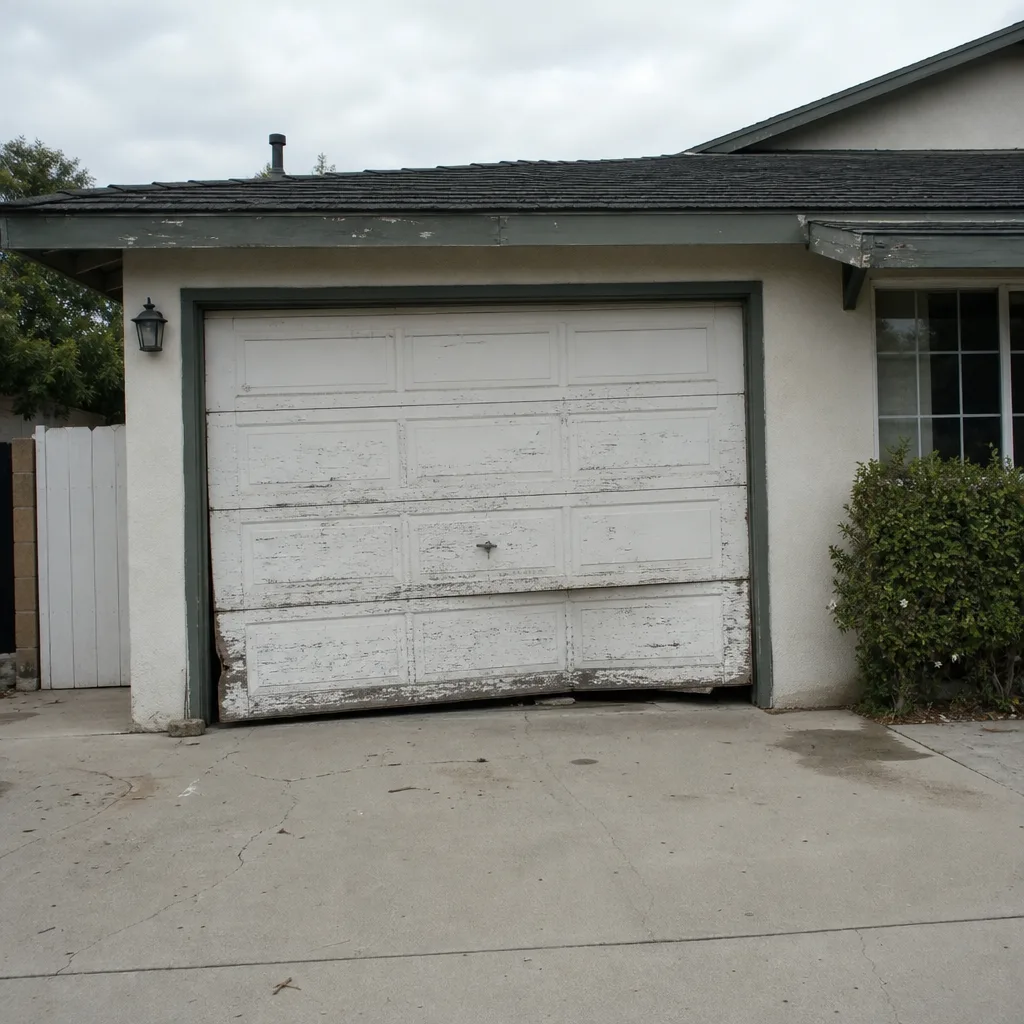 Before
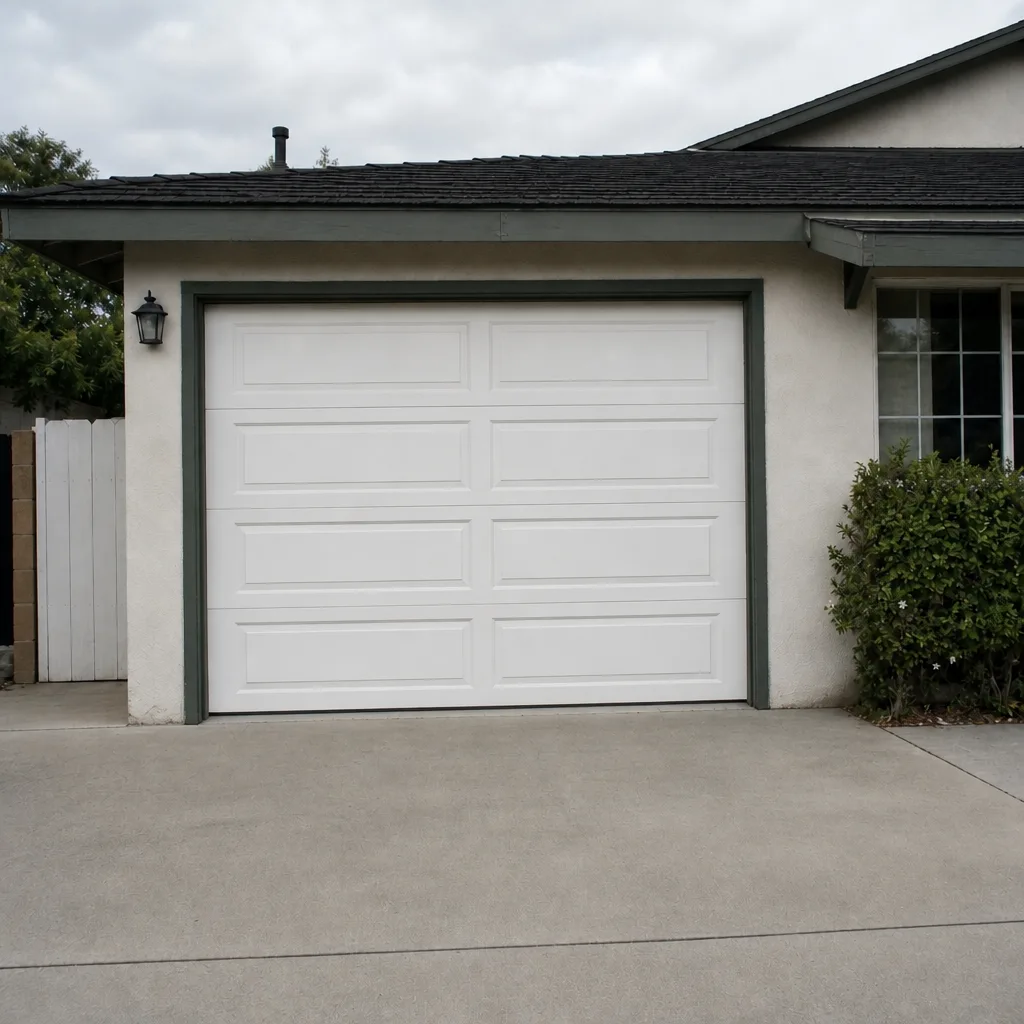 After
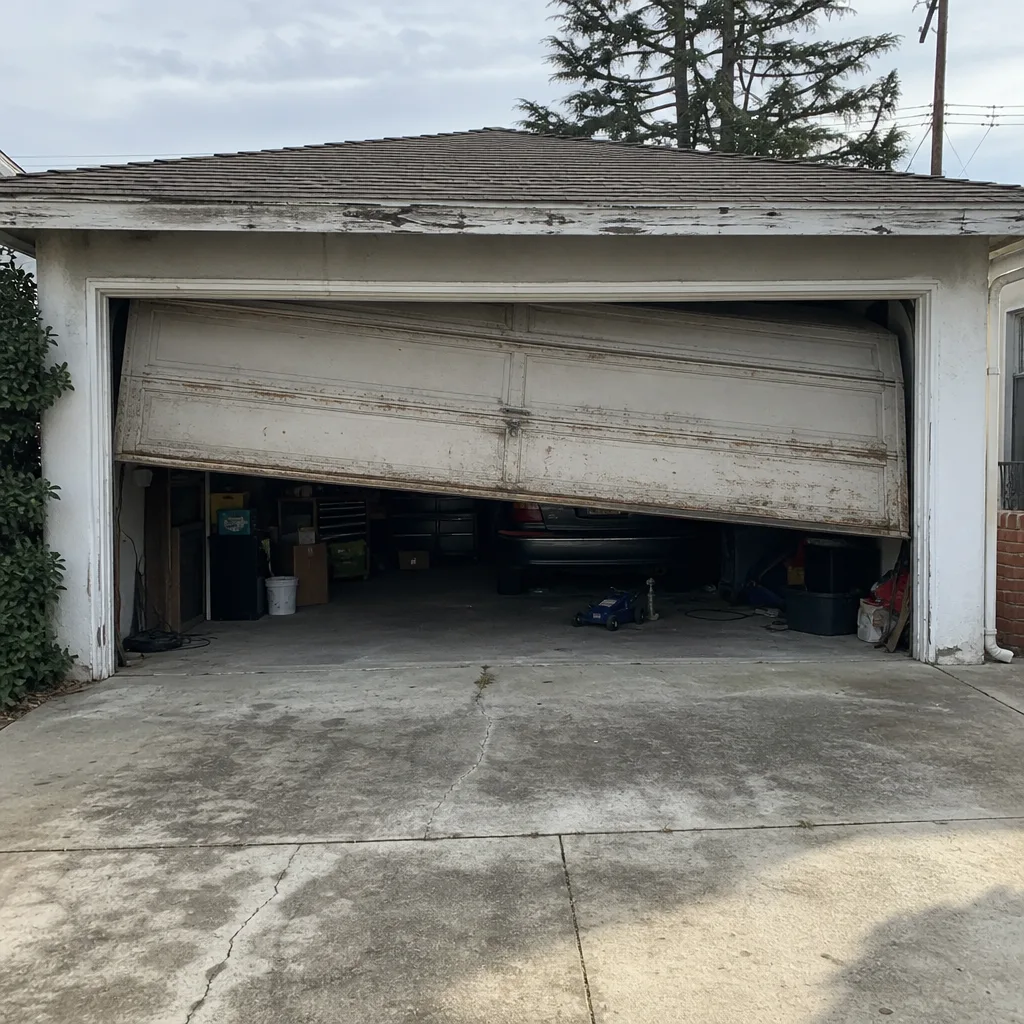 Before
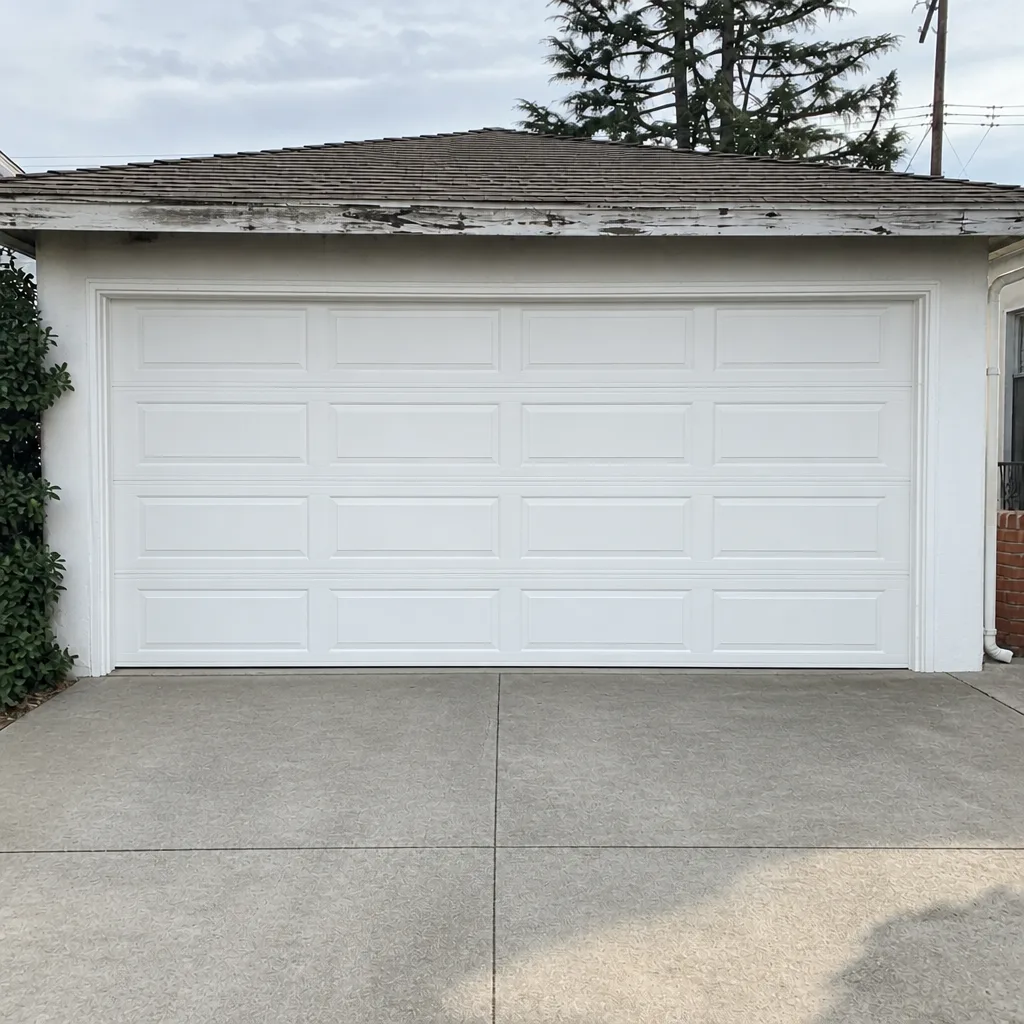 After
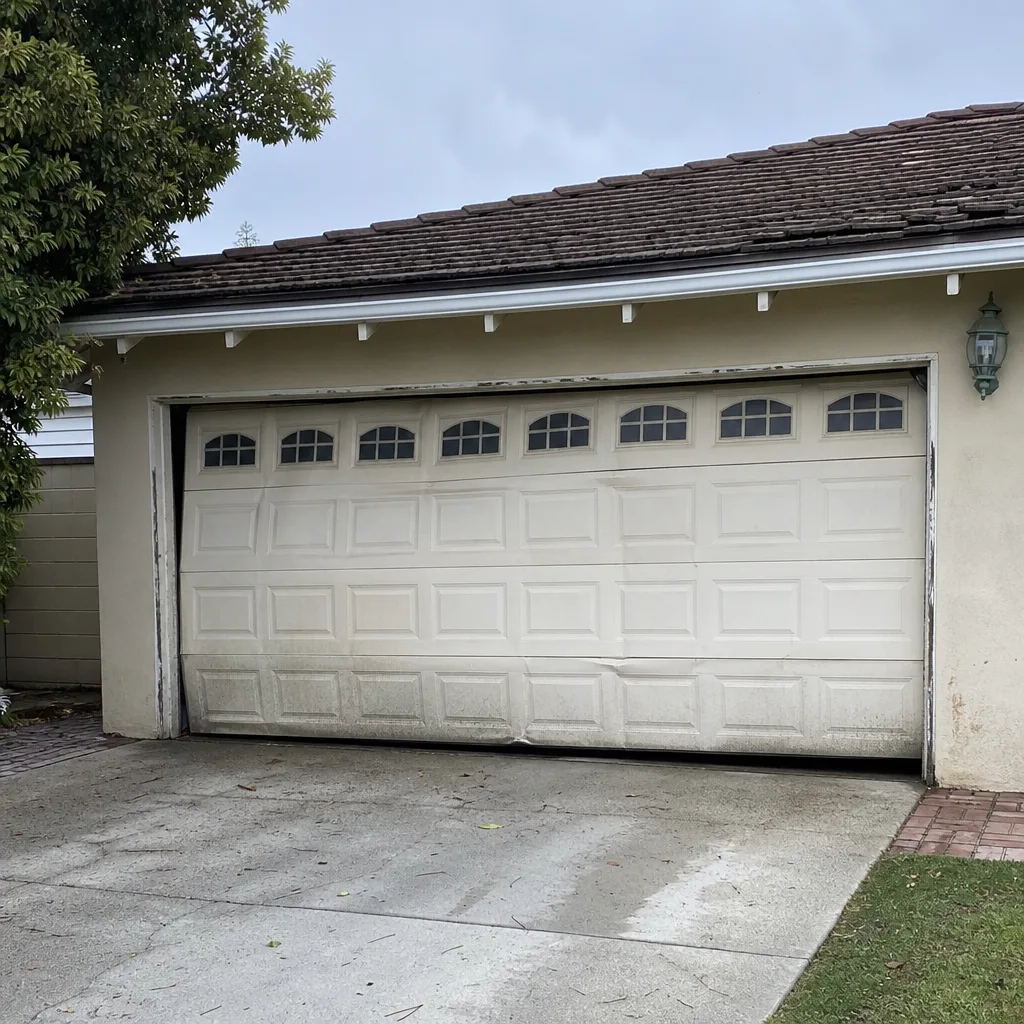 Before
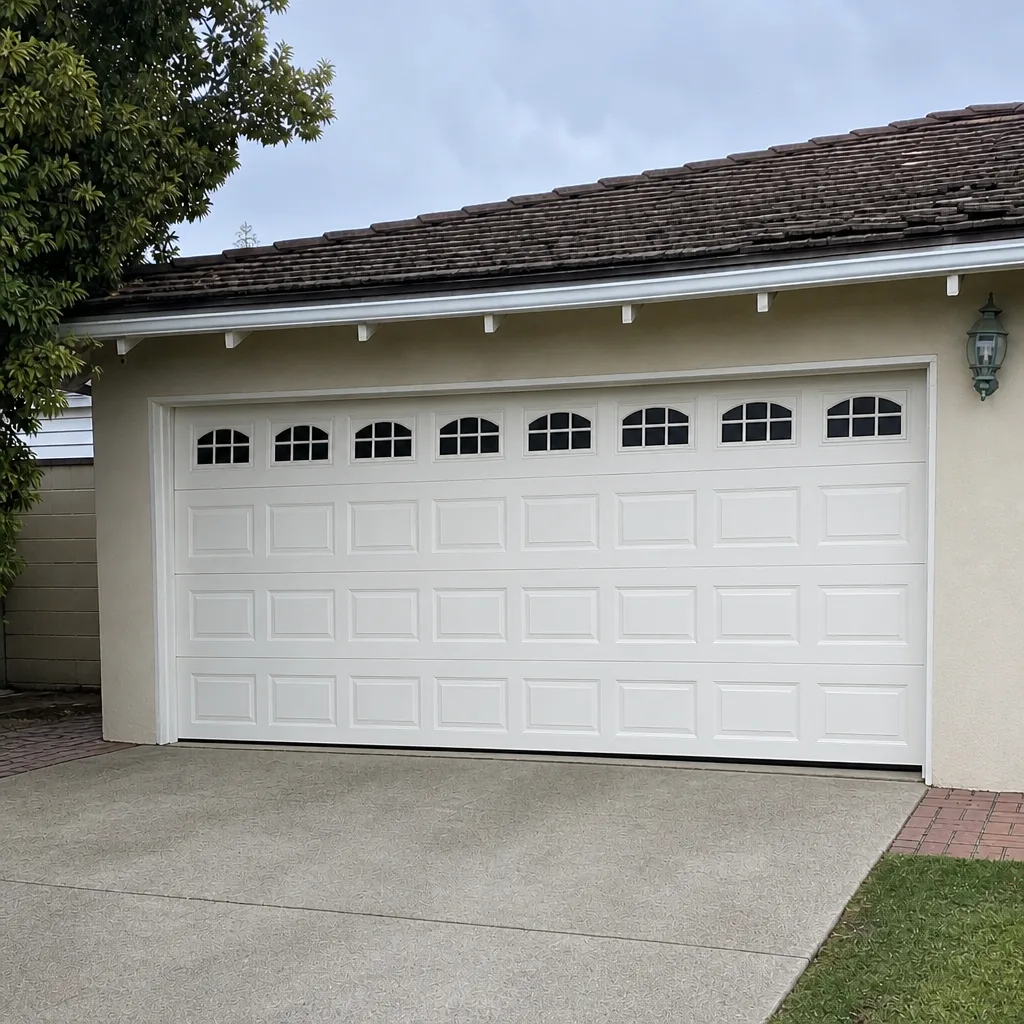 After